Can You See Whale Sharks Snorkeling in Belize?
Whale sharks arrive in Belize on a timetable set by spawning fish, not by tour operators. The window is narrow, the location is exact, and the sightings are real but never promised.
Booking details checked 11 September 2026. Older price examples below are planning estimates, not current quotes. Use the provider for your date and full group total; sightings and weather are never guaranteed.
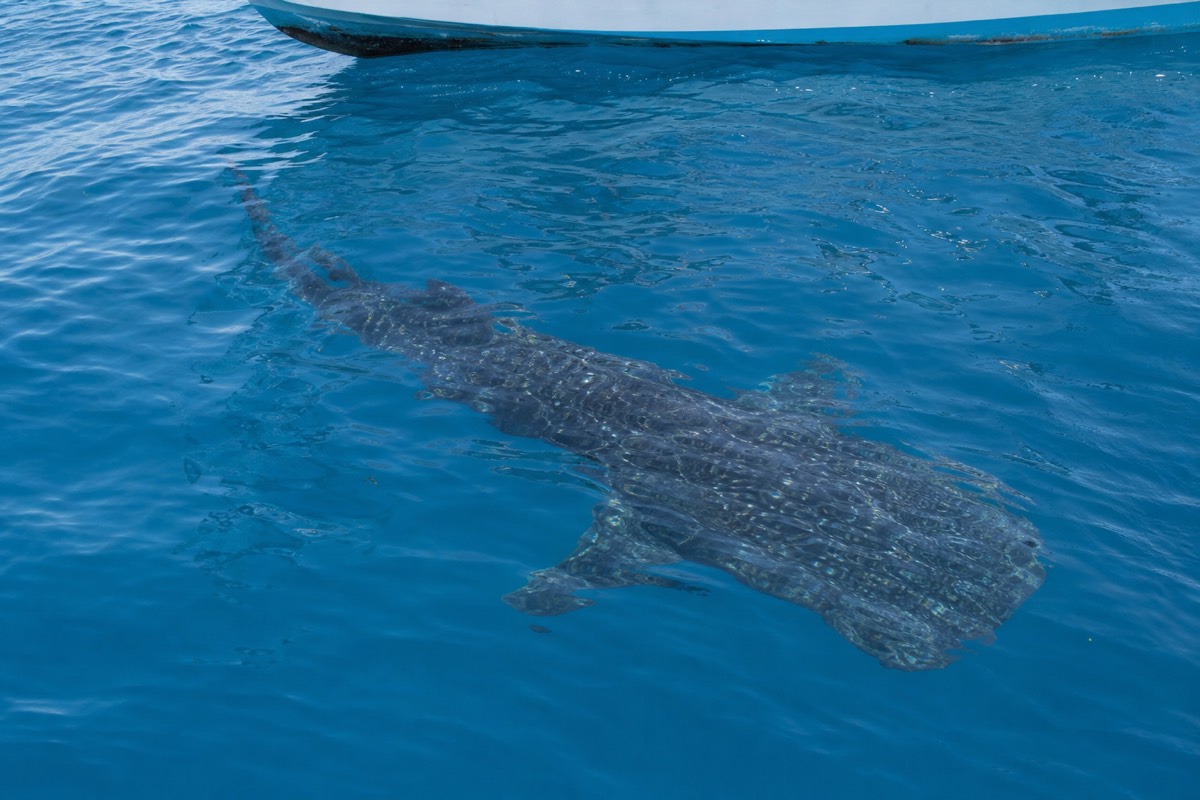
Yes, and no operator in the country can promise it. Whale sharks turn up in Belize on a schedule set by spawning fish, in one patch of open water about 22 miles off Placencia, across roughly four months of the year. Outside that window and away from that spot, your odds are effectively zero.
That is the blunt version of an answer a lot of travel pages soften. The reef days most visitors book here, the ones running out to Hol Chan Marine Reserve and Shark Ray Alley from the northern cayes, are not whale shark trips and were never built as one. Getting in the water with a whale shark means a different boat, a different departure town, and dates picked around the moon.
When is whale shark season in Belize?
Whale sharks gather off southern Belize in March, April, May and June, and the best odds sit inside a short lunar window: roughly two days before the full moon through about ten days after it. Outside those four months the animals are not reliably present, and extra hours on the boat will not change that.
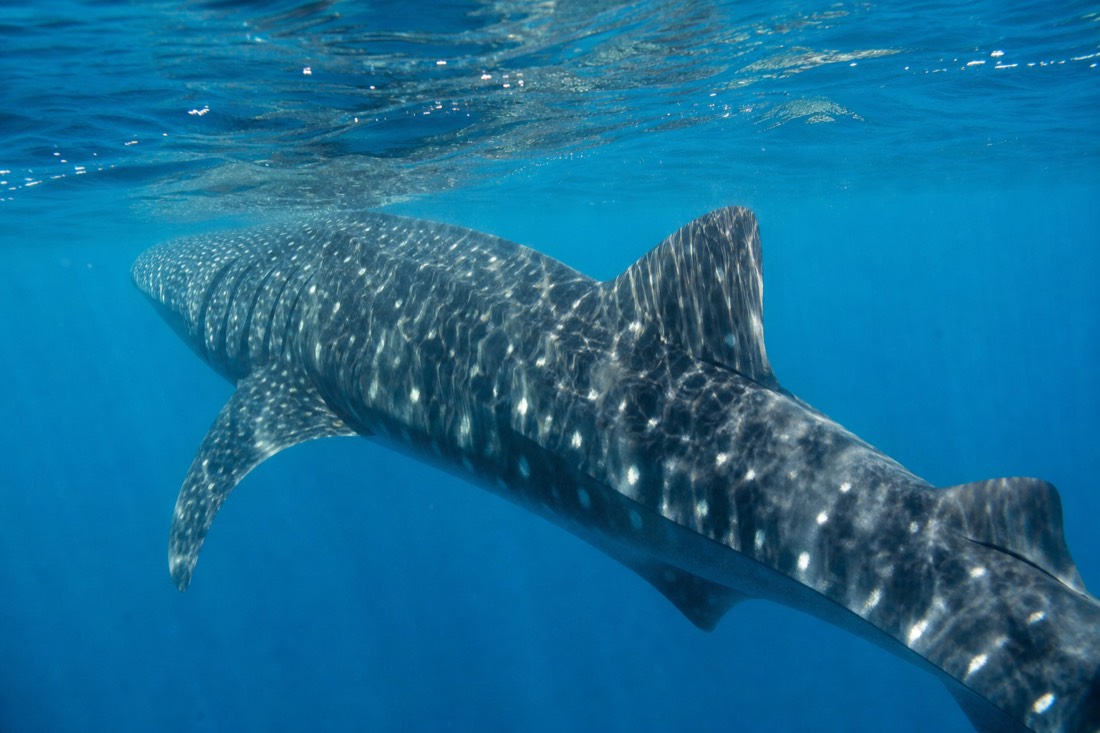
Food sets the timetable. Snapper and grouper mass in enormous spawning aggregations at the reef edge during those months, and near the full moon they release clouds of eggs into the water column. The whale sharks come for the spawn. Book a week that misses the moon and you have booked a boat ride.
The timing works in your favor on everything else, at least. Those four months overlap the drier stretch that brings Belize its calmest seas and its clearest water, which is the same reasoning behind the best months to snorkel in Belize more generally. Even a blank day offshore usually comes with good visibility over the reef on the way home.
No dedicated Gladden Spit whale-shark excursion is verified in this booking shortlist. A spring date alone does not make a general reef tour a whale-shark trip.
Where do the whale sharks actually appear?
At Gladden Spit, a reef promontory inside the Gladden Spit and Silk Cayes Marine Reserve, about 22 miles offshore from Placencia in southern Belize. It is managed, protected water with licensed guides, and the boats leave from the Placencia peninsula rather than from Ambergris Caye or Caye Caulker.
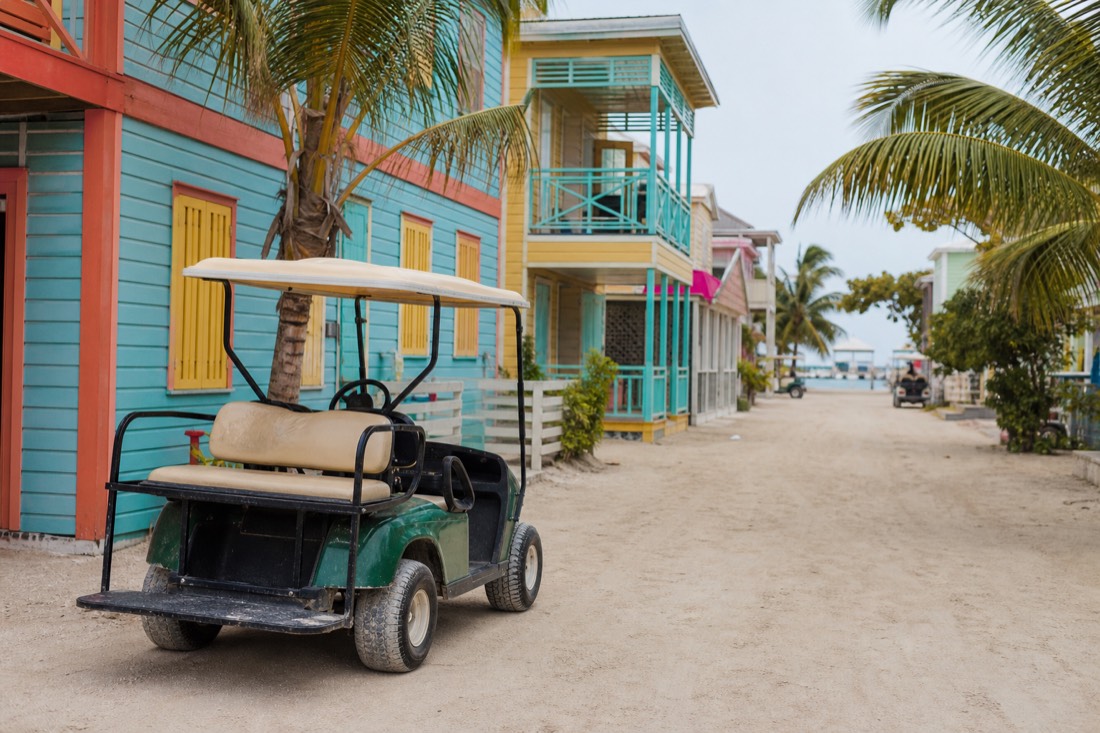
Geography is the part people get wrong most often. San Pedro and Caye Caulker sit far to the north, hours of road and water away from the whale shark grounds, and no day trip bridges that gap. If whale sharks are the reason you are flying to Belize, base yourself in the south. That coast has the quieter reef anyway, and it gets a fuller treatment in the guide to snorkeling around Placencia and Hopkins.
The run offshore is long and exposed. Twenty-two miles in a small boat is a real crossing, so seasickness tablets earn their place in the bag, and a marginal forecast can cancel the day outright. This is open Caribbean, not the sheltered lagoon inside the barrier reef.
Gladden Spit whale-shark access is a different itinerary from Silk Cayes reef snorkeling. Confirm a specialist operator’s actual excursion before planning around a sighting.
Can you book a whale shark trip through the tours listed here?
No. None of the six trips on this site is a dedicated Gladden Spit whale shark excursion. They are general reef days: Hol Chan and Shark Ray Alley runs from San Pedro and Caye Caulker, plus island hopping in the southern cayes. For a whale shark departure in season, look specifically for a Gladden Spit trip run by a Placencia-based operator.
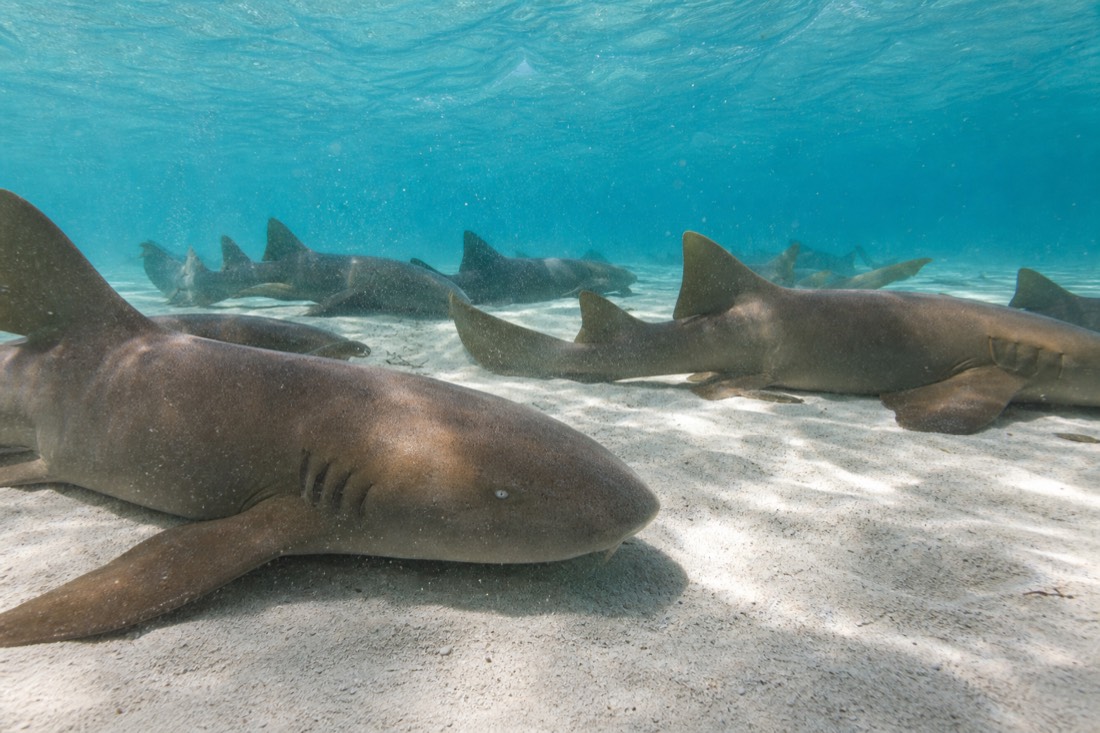
Saying that costs us a booking and is still the right answer. The trips on Belize Snorkeling Tours are reef days, and they are very good at being reef days. They are simply not the product you want in April if a whale shark is the whole point of the trip.
The island-hopping day from Hopkins comes closest geographically, working the South Water Caye Marine Reserve about 30 minutes offshore for around $280 per person, so check the live listing for current dates and pricing. Up north, the four-stop snorkeling tour from San Pedro fills eight hours across the reserve, Shark Ray Alley, Coral Gardens and a manatee search for around $125, again worth checking live before you commit.
Plenty of visitors do both: a whale shark attempt out of Placencia inside the window, then a northern reef day for the wildlife that actually shows up on schedule. If you are still weighing whether the reef alone justifies the flights, that gets its own answer in the piece on whether Belize snorkeling is worth it.
What are your realistic odds of a sighting?
Nobody publishes a dependable success rate, and any number quoted as one deserves suspicion. A sighting hangs on the moon date, the sea state, water clarity, whether the spawning aggregation forms that particular week, and plain luck. Treat the whale shark as a possible bonus and the open-water reef day as the part you actually paid for.
If a sighting genuinely matters, the practical move is buying yourself more chances. Sit in Placencia for three or four days inside the lunar window instead of one, keep the dates loose, and accept that a blown-out forecast can erase a morning with no notice. The groups who go home disappointed are almost always the ones who booked a single attempt on a fixed date.
| What decides your odds | Why it matters | Can you control it? |
|---|---|---|
| Month | The aggregations only form roughly March through June | Yes, book inside the window |
| Moon date | Best odds run from about two days before the full moon to ten days after | Yes, build the dates around it |
| Sea state | A 22-mile open crossing gets cancelled or turned back in bad weather | No, so hold spare days |
| Water clarity | Poor visibility can hide an animal that is genuinely there | No |
| The sharks themselves | Wild, unfed, free-swimming filter feeders on nobody's timetable | No |
The reserve is managed water, so trips go out with licensed guides and reserve rules govern how boats and swimmers behave around the animals. Those rules can be adjusted between seasons, so confirm the current terms with the operator you book rather than an old forum post. And keep the animal in mind for what it is: a wild filter feeder that owes nobody an appearance, in a country whose reef is already a UNESCO World Heritage site without it.