Is Snorkeling in Belize Worth It?
Short answer: yes, for most people, and the reason is not the water colour. It is density. Belize puts nurse sharks, stingrays, turtles and a wall of reef fish inside a single morning, at depths a beginner can handle, a few miles from a beach with a bar on it. The longer answer includes the parts the brochures leave out.
Booking details checked 11 September 2026. Older price examples below are planning estimates, not current quotes. Use the provider for your date and full group total; sightings and weather are never guaranteed.
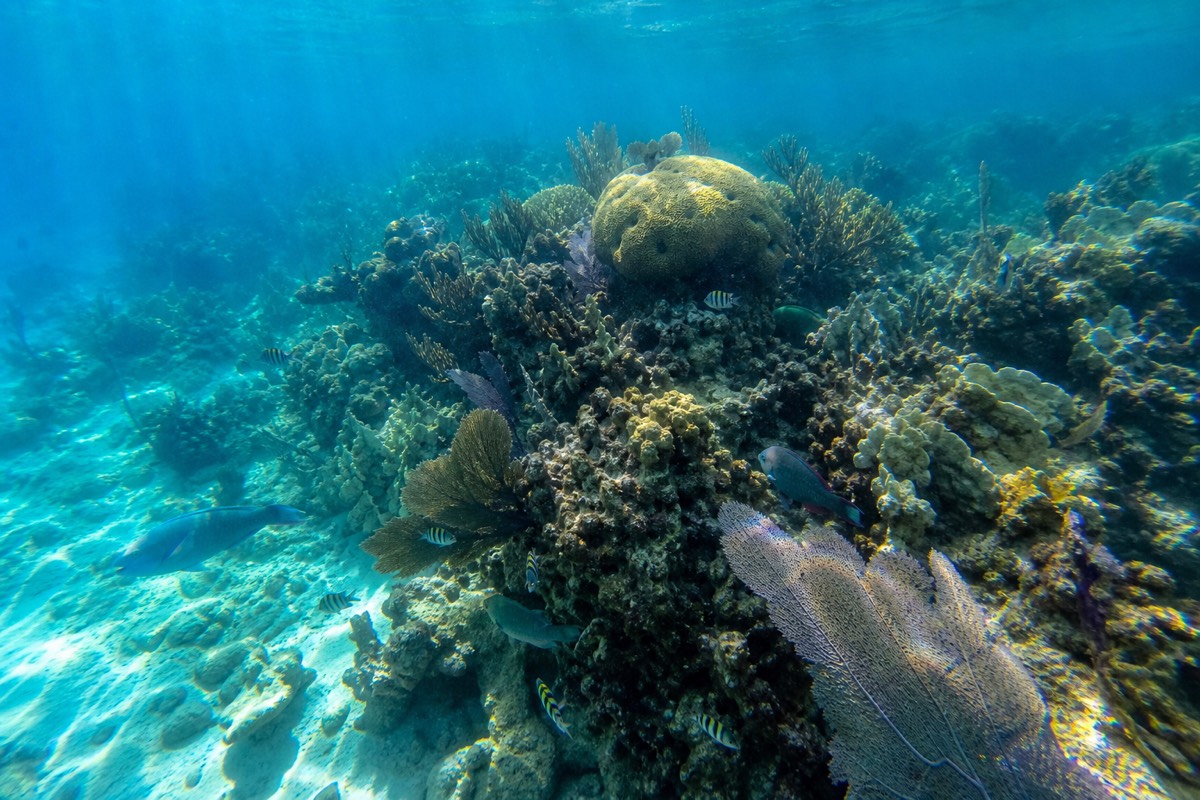
People ask this question because Belize is not a cheap add-on. Getting to the cayes takes a flight, then a boat or a second flight, then a hotel priced for an island. That is a real commitment for a reef, so the question deserves a straight answer rather than a brochure one.
The answer is yes for most travellers, no for a specific few, and the difference comes down to what you are expecting from the water.
What makes snorkeling in Belize worth it?
Belize sits on the second-largest barrier reef system in the world, and the reef runs about a mile offshore from its main islands. That combination means short boat rides to protected, shallow, wildlife-dense sites. You get big animal encounters at snorkel depth, which is rare anywhere else in the Caribbean.
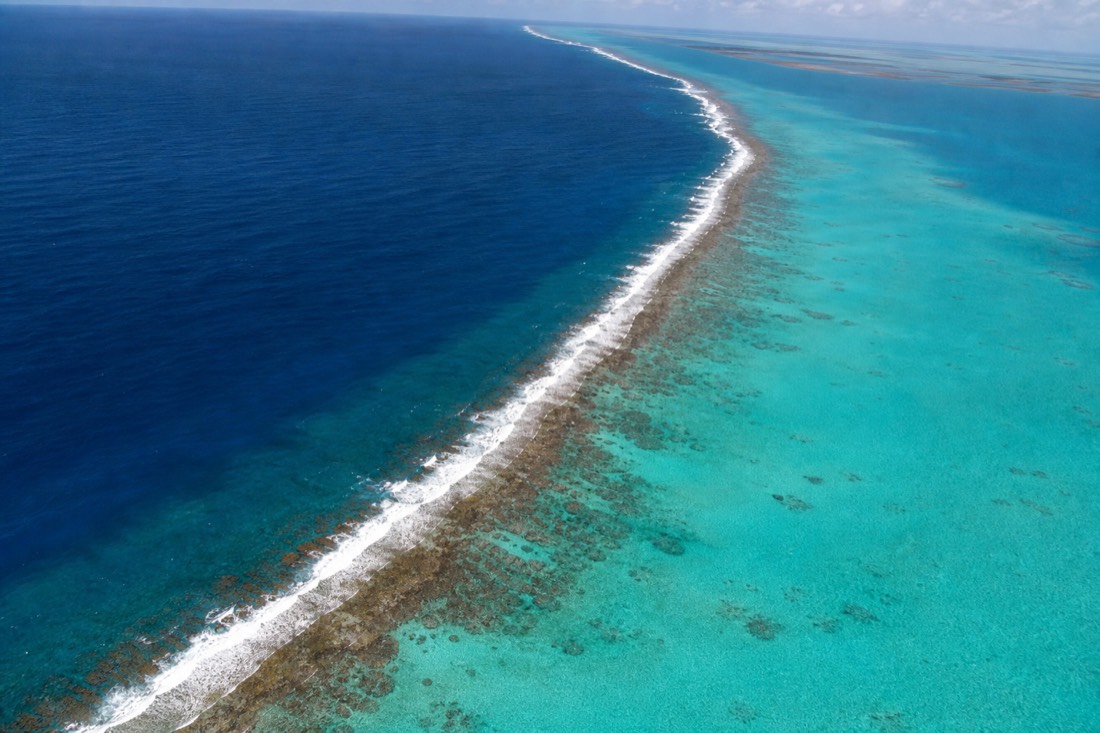
The Belize Barrier Reef is part of the Mesoamerican Reef and carries UNESCO World Heritage protection dating to 1996. That is not a decorative detail. It is why sites like Hol Chan have had mooring buoys, patrols and fishing limits for decades, and why the coral and fish stocks inside them are in better shape than unmanaged reef elsewhere.
The other half of the value is logistical. From San Pedro or Caye Caulker you are in the water 20 minutes after leaving the dock. Compare that with destinations where the good reef is a two-hour crossing, and the difference is an extra swim rather than an extra nap.
What will you actually see in the water?
Nurse sharks and southern stingrays at Shark Ray Alley, close and in numbers. Sea turtles and big schools of grunts, snapper and parrotfish in the channel at Hol Chan Marine Reserve. Eagle rays, moray eels and coral gardens on the surrounding stops. Manatees and whale sharks are possible but never promised.
The honest way to present wildlife is by how reliable each sighting actually is, using what the operators themselves say rather than a wish list.
| What you hope to see | How reliable | Where |
|---|---|---|
| Nurse sharks | Common, not guaranteed | Shark Ray Alley, shallow sand, they gather there |
| Southern stingrays | Common, not guaranteed | Shark Ray Alley and the sand flats |
| Sea turtles | Common | Hol Chan, Coral Gardens, seagrass beds |
| Large reef fish schools | Common | The cut at Hol Chan Marine Reserve |
| Eagle rays and moray eels | Occasional | Reef edges and coral heads |
| Manatees | Genuinely uncertain | North Channel near Caye Caulker, guides check two locations |
| Whale sharks | Seasonal, regulated, never guaranteed | Gladden Spit off Placencia, around the spring full moons |
Any operator promising manatees is overselling. The San Pedro boats describe manatee sightings as a coin flip and will run to a second spot to improve the odds, which is the correct way to handle it.
What does a snorkeling day in Belize cost?
A shared full-day trip costs roughly $110 to $125 per person and includes gear, lunch and the marine park fees. Private boats start around $675 for a full day. Southern Belize island hopping runs about $280 for seven hours. Prices move with season and fuel, so check the live listing before you budget.
| Trip type | From | Hours | Price | What it buys |
|---|---|---|---|---|
| Seven-stop shared reef day | Caye Caulker | 6 | Around $110 | The most stops per dollar in the country, GoPro photos included |
| Four-stop shared day with lunch | San Pedro | 8 | Around $125 | Hol Chan, Shark Ray Alley, a manatee search and island free time |
| Private customisable boat | San Pedro | 7 | Around $675 | Your own boat and route, up to five stops, private boat, shared reef sites |
Per hour in the water, the shared trips are strong value. The seven-stop day out of Caye Caulker bundles equipment, lunch and reserve fees, and the four-stop San Pedro day adds island time on top of the same headline sites. If crowds are the thing that would spoil it for you, a private Hol Chan and Shark Ray Alley boat gives your party its own boat, while reserve sites remain shared, which is what you are paying the difference for. Where you base yourself changes this math too, since boat time is what most of a shared trip's schedule is actually spent on; our look at picking the best base for snorkeling breaks down why the reef's location matters more than any single resort's amenities.
Who might be disappointed by snorkeling in Belize?
Three groups: people expecting flawless visibility every week, people expecting an empty reef at the famous sites, and people arriving in a heavy sargassum year expecting a clean postcard beach. Belize delivers wildlife density, not perfect conditions, and the two are not the same promise.
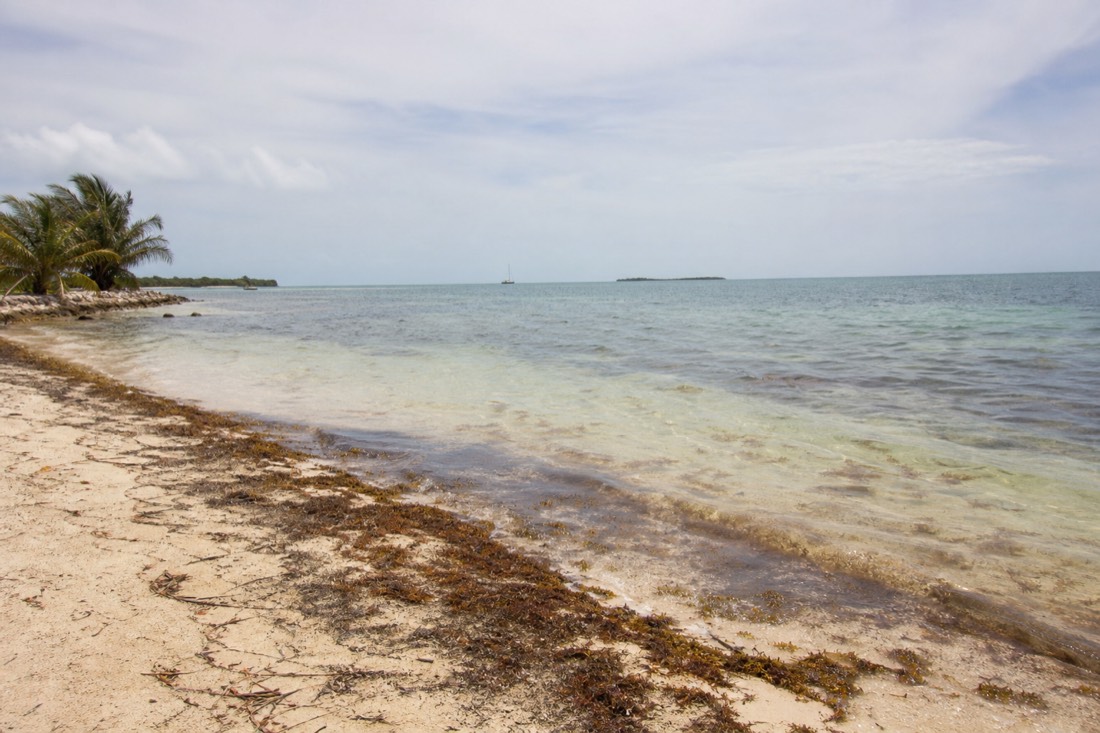
Visibility is the first honest caveat. Belize's inner-lagoon sites sit behind the reef crest in relatively shallow water, so wind, rain and boat traffic stir sediment in a way that outer atolls do not. Most days are good, some are milky, and the difference is weather rather than season. The dry stretch from late February through May gives the best odds.
Crowding is the second. Hol Chan and Shark Ray Alley are the two most visited snorkel sites in the country, and at midday in high season there can be a dozen boats on the moorings. Early departures help enormously, which is why the good operators leave at eight.
Sargassum is the third, and it is the one that generates the angry reviews. Drifting seaweed washes onto windward Caribbean beaches, typically heaviest from spring into summer, and volumes swing wildly year to year. It affects beaches, not the offshore reef sites where you actually snorkel, but a hotel beach buried under brown weed colours the whole trip for some people. The timing side is covered properly in our month-by-month look at the best time to visit Belize for snorkeling.
There is a fourth group worth naming: experienced snorkelers who have already done the Red Sea or Raja Ampat and are expecting coral cover to match. Belize has been hit by bleaching events like every Caribbean reef, and the coral at the busiest sites shows wear. The fish and the big animals are the draw here, not untouched coral gardens.
For everyone else, the value is straightforward. You swim with sharks you will remember for years, in warm shallow water, on a reef that has been actively protected since before most of its visitors were born, for the price of a decent dinner. If you want the site-by-site detail before deciding, our guide to Hol Chan and Shark Ray Alley explains what each stop actually involves, and if you are weighing the country against a neighbour, we compare Belize or Roatan for snorkeling honestly, and separately look at how Belize stacks up against Costa Rica for snorkeling. Belize Snorkeling Tours works with operators on both the northern cayes and the southern coast, so the choice is about which reef suits you rather than which one we happen to sell.