Is Belize Better Than Costa Rica for Snorkeling?
Two Central American favourites, one shared reputation for warm water, and one question that decides the whole itinerary. Belize is a reef country with jungle behind it. Costa Rica is a forest country with coastline on either side. Which one you book depends entirely on where you want to spend your mornings.
Booking details checked 11 September 2026. Older price examples below are planning estimates, not current quotes. Use the provider for your date and full group total; sightings and weather are never guaranteed.
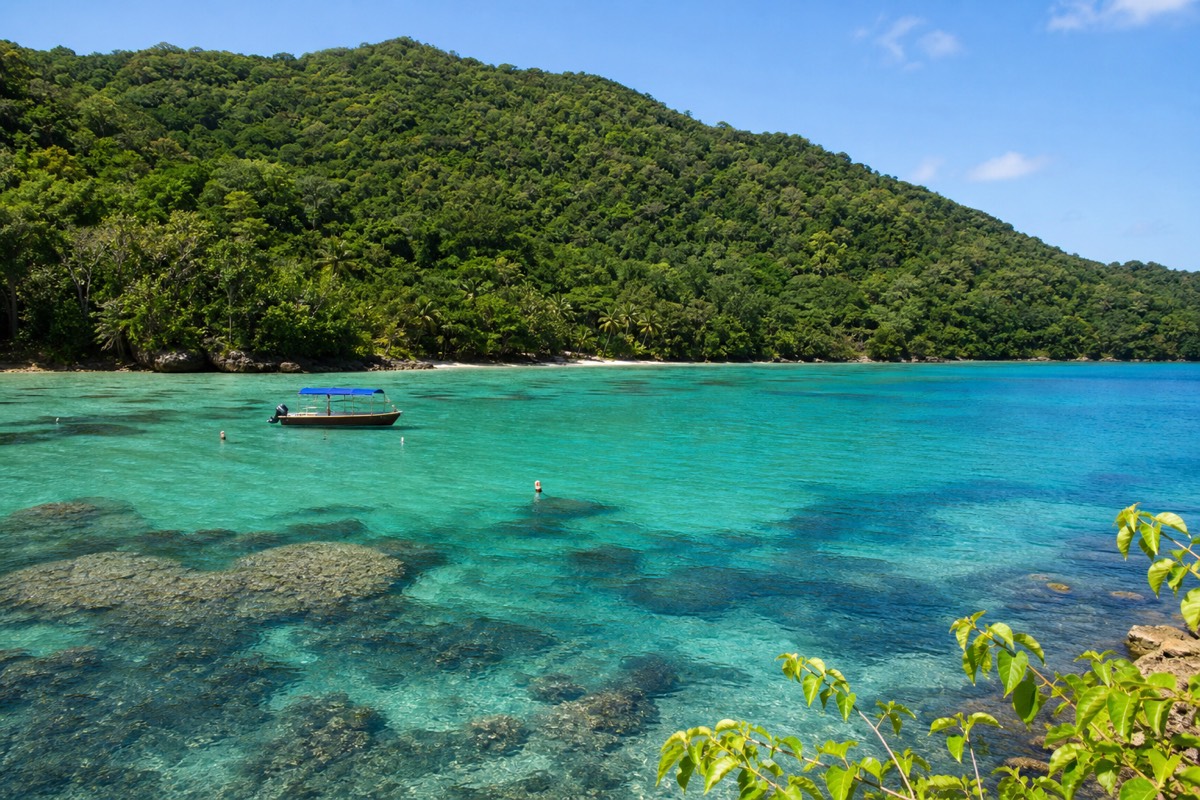
The short answer is yes, if snorkeling is the reason for the trip, and it is not especially close. Belize has a barrier reef running the length of its coast, three offshore atolls, and marine reserves built around specific protected sites you can reach on a morning boat. Costa Rica has snorkeling, some of it genuinely lovely, but the country's real strength sits above the waterline.
The two get compared as though they were interchangeable Central American beach holidays. They are not. Belize sells the water. Costa Rica sells the forest, the volcanoes and everything living in them. Choosing well is mostly a matter of being honest about which of those you actually came for. The Belize reef is the largest section of the Mesoamerican Reef and has been a UNESCO World Heritage site since 1996, which tells you where the country puts its attention.
| What you are comparing | Belize | Costa Rica |
|---|---|---|
| The underwater draw | A barrier reef plus three atolls, protected inside named marine reserves | Patches of reef on the Caribbean side, rocky volcanic islands on the Pacific |
| Water clarity | Generally clear inside the reef, best on calm mornings in the drier months | Swings with rainfall and river runoff, often greener on the Pacific side |
| The signature day | Hol Chan and Shark Ray Alley by boat from San Pedro or Caye Caulker | A rainforest hike or a volcano, with a snorkel stop attached to it |
| What else the country does well | Maya sites, jungle rivers and cave systems inland | National parks, cloud forest, surf, and wildlife density that is hard to beat |
| Best for | Trips where the reef is the plan | Trips where the reef is a bonus |
Why is Belize the stronger snorkeling destination?
Belize is built for it. The barrier reef sits about a mile off the main cayes, protected reserves concentrate the marine life, and boats run to the same proven sites every morning of the year. Nurse sharks, southern stingrays and green turtles are close to routine there. Snorkeling is a core industry in Belize, not a side activity.
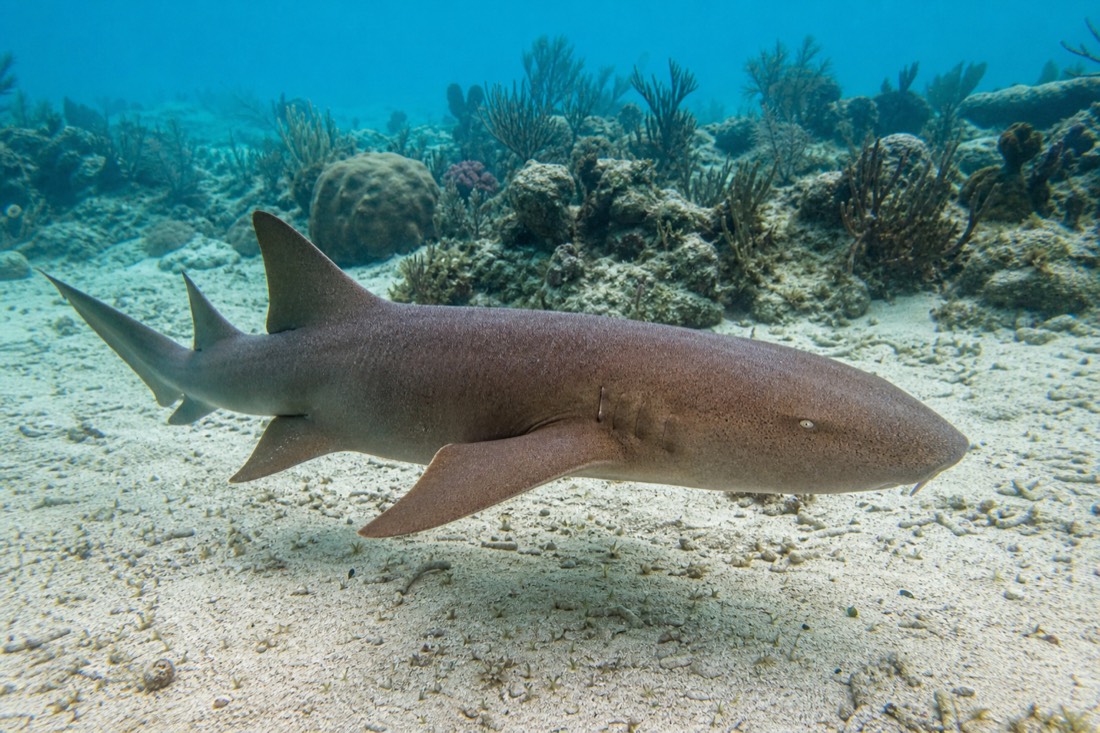
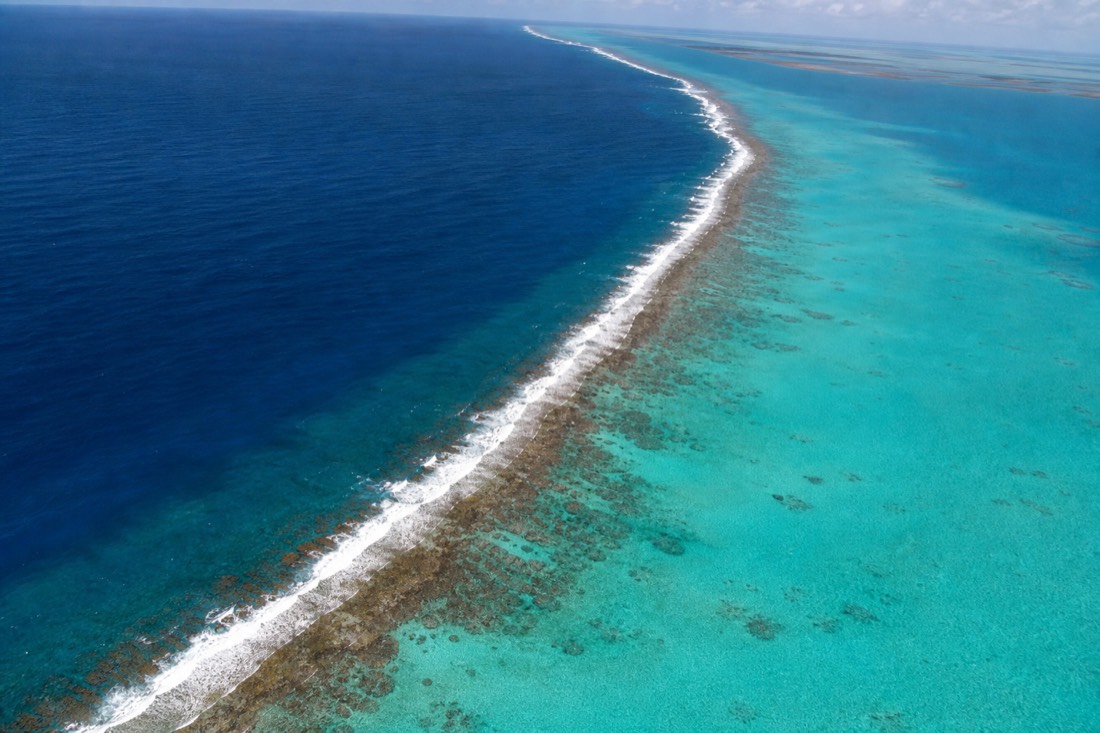
Structure explains most of it. A barrier reef creates a long, sheltered lagoon between the coast and the reef crest, so the water you snorkel is shallow, warm and protected from open-ocean swell. That is why beginners do well here and why so many trips run even when it is breezy. Our guide to the Belize Barrier Reef goes into how the lagoon, the crest and the atolls fit together.
The reserves matter just as much as the geology. Hol Chan Marine Reserve protects a natural cut through the reef where fish stack up in numbers, and Shark Ray Alley, a short hop further on, is where nurse sharks and southern stingrays gather in standing-depth water. Those two stops anchor almost every itinerary, whether you take a four-stop day from San Pedro at around $125 per person or a seven-stop reef day from Caye Caulker at around $110. Prices move, so check the live listing.
Then there is the sheer amount of it. A week in Belize can take in the northern cayes, the reserves off the southern coast and a long day out to an atoll, all without repeating a site. If you are still weighing up whether Belize snorkeling is worth it at all, the variety is usually what settles it.
What is snorkeling in Costa Rica actually like?
Real, but secondary. Costa Rica has no barrier reef. The better-known spots are the Caribbean-side reefs around Cahuita and Puerto Viejo and the rocky volcanic islands off the Pacific coast, where rain, river runoff and plankton-rich water swing visibility hard by season. Snorkeling there is usually one line on a rainforest itinerary.
That is not a dismissal. Cahuita has genuine coral, and the Pacific islands off Guanacaste and the Gulf of Nicoya put you over rocky reef with rays, turtles and big schooling fish. The plankton that clouds the water is also what feeds the bigger animals, so the Pacific coast can surprise you. Costa Rica's most celebrated marine destination, Cocos Island, sits far offshore and is a multi-day liveaboard dive trip, not a day out with a mask.
What you should not expect is a Belize-style lagoon with a reef crest a mile out and a coral garden at every stop. The green season brings rain, rivers carry sediment to the coast, and clarity on a given day is genuinely unpredictable. Plan a Costa Rica snorkel stop as a good thing that might happen rather than the spine of the trip.
Which country fits the trip you actually want?
Book Belize if you want to spend the week in the water and come home with reef photographs. Book Costa Rica if the trip is about rainforest, volcanoes and wildlife, with a snorkel stop as a bonus. Both answers are correct. They simply answer different questions about what the holiday is for.
In practice most people already know which one they are. The tell is what you picture when you imagine the trip: a boat leaving a dock at eight in the morning, or a trail through dripping forest with a guide pointing at a sloth. Belize Snorkeling Tours exists for the first version of that daydream, and the operators we list run the reef sites daily from the cayes and the southern coast.
If you want the water and also want the boat to yourself, a private charter from Ambergris Caye lets your group set the stops and the pace, which is worth it for families and nervous first-timers. For a broader look at where the good sites actually are, start with the best snorkeling spots in Belize, and if you are choosing between Caribbean destinations rather than countries, our Belize or Roatan comparison covers the closer call.