The 10 Best Places to Snorkel in Belize
The reef sits about a mile off the two main island bases, close enough that you can watch the water shift from milky green over the seagrass to hard blue at the crest before the captain cuts the engine. Belize fits a lot of good snorkeling into a short coastline. These are the ten spots worth planning a trip around, and the honest catch attached to each one.
Booking details checked 11 September 2026. Older price examples below are planning estimates, not current quotes. Use the provider for your date and full group total; sightings and weather are never guaranteed.
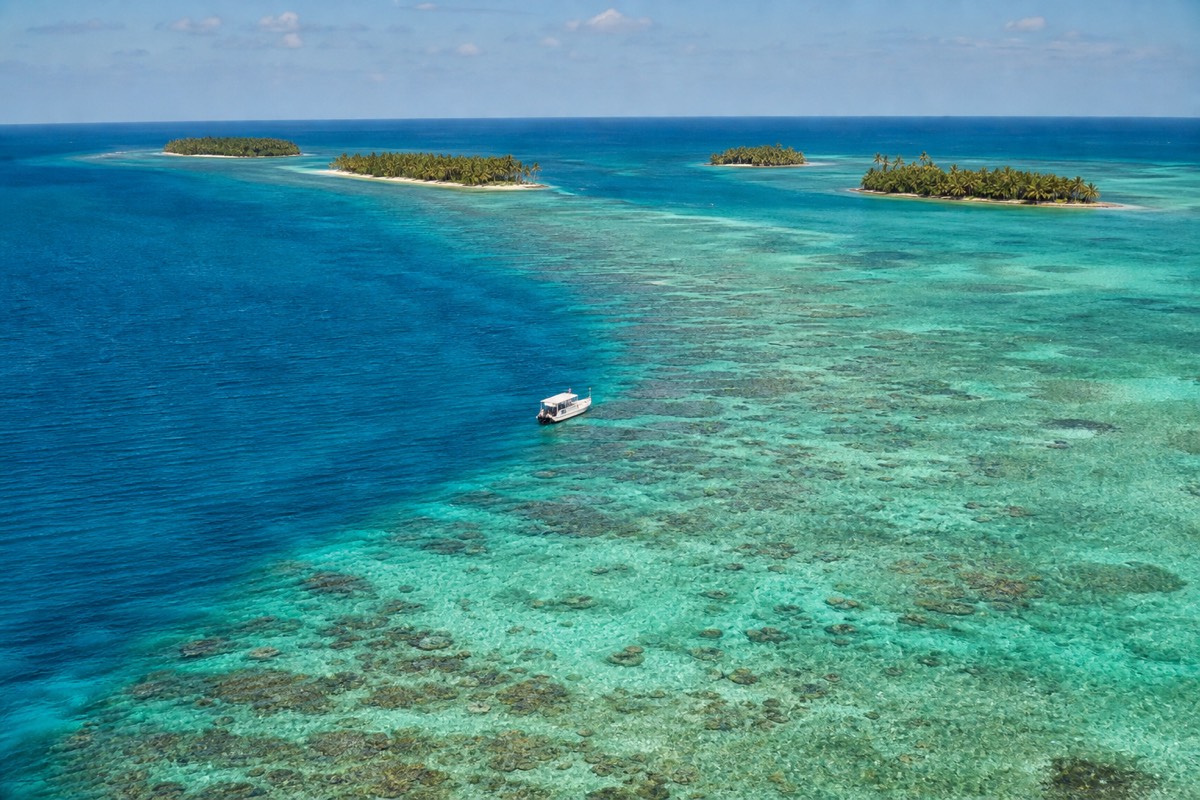
The boat ride is short. From the docks on either main island the reef is about a mile out, which means you are floating over coral within twenty minutes of stepping off a pier, not after a two-hour slog. That proximity is the whole reason snorkeling in Belize works the way it does, and it is why a country with a small coastline holds so many sites worth a day of your trip.
What follows is our team's ranking of the ten spots that earn their place, based on the itineraries the operators we work with actually run and what their listings promise at each stop. Some are shallow enough for a nervous first-timer. Two are long open-water days that only make sense if you have time to spare. One of them, the most photographed of the lot, is not really a snorkeling site at all, and we say so below. If you are still weighing Belize against another Caribbean or Central American option, we have run the comparison honestly against Roatan and against Costa Rica elsewhere on this site.
Belize snorkeling by the numbers
Reef facts from the site's World Heritage listing and protected-area records, prices taken from the current listings of the six tours featured on this site. Prices move with season and group size, so treat them as a starting point and check the live listing before you budget.
What is the best snorkeling spot in Belize?
Hol Chan Marine Reserve, off the southern tip of Ambergris Caye, is the one nearly every visitor should snorkel first. It protects a natural cut through the reef where the seabed drops away and fish stack up in the moving water, and it sits close enough to both island bases that almost every day trip includes it.
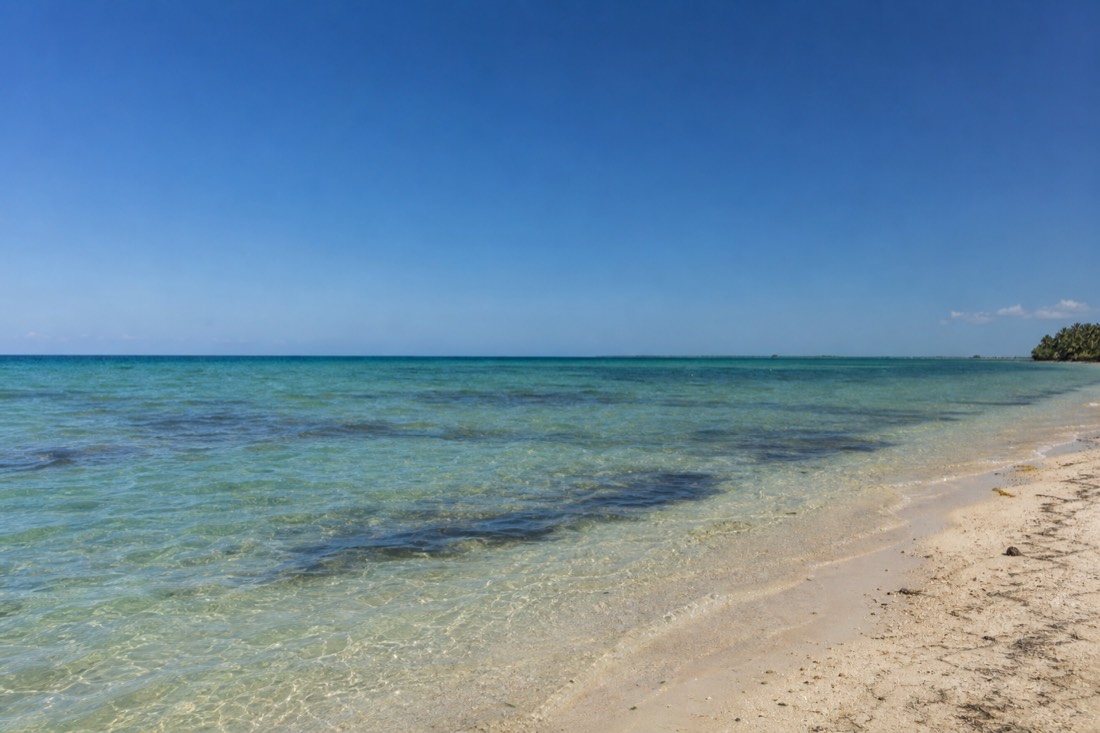
The name is Maya for "little channel," and the channel is the point. Water pushes through a gap in the reef crest, and everything that eats or hides in a current gathers there: schools of blue tang and snapper, big groupers parked under ledges, green moray eels wedged in the coral, the occasional barracuda hanging in the blue. Because the reserve has been protected since 1987 under the Belize Fisheries Department, the fish are large and completely uninterested in you. The listing for one of the trips we feature describes snorkeling among corals protected for over 30 years, and that head start shows in the size of the animals.
Hol Chan is not one small site. It has grown into a set of zones covering reef, seagrass and mangrove, plus two areas that get named separately on almost every tour itinerary.
| Area inside the reserve | What it protects | What a snorkeler actually notices |
|---|---|---|
| The cut, the original Hol Chan channel | A natural break through the reef crest | Deeper water, current, the biggest fish of the day |
| Seagrass flats | Turtle grass beds inside the reef line | Green turtles grazing, conch, rays on the sand |
| Mangrove shoreline | Nursery habitat for juvenile fish | Calm shallow water, small fish in the roots |
| Zone D, Shark Ray Alley | A shallow sand flat south of Ambergris Caye | Nurse sharks and southern stingrays around the boat |
| Mexico Rocks, added in the 2015 to 2016 expansion | Shallow patch coral north of San Pedro Town | Coral heads in waist to chest deep water |
If you only get one boat day, make it a trip that combines the channel with the shark flat. Our full guide to Hol Chan and Shark Ray Alley breaks down the fees, the conditions and how the two stops are sequenced on a typical morning.
Where do you swim with nurse sharks and stingrays?
Shark Ray Alley, a shallow sand flat inside the same reserve, is the spot. Fishermen once cleaned their catch there and nurse sharks and southern stingrays learned to gather, and they still do. Depth runs chest to head high, engines go quiet, and the animals come to the boat rather than the other way around.
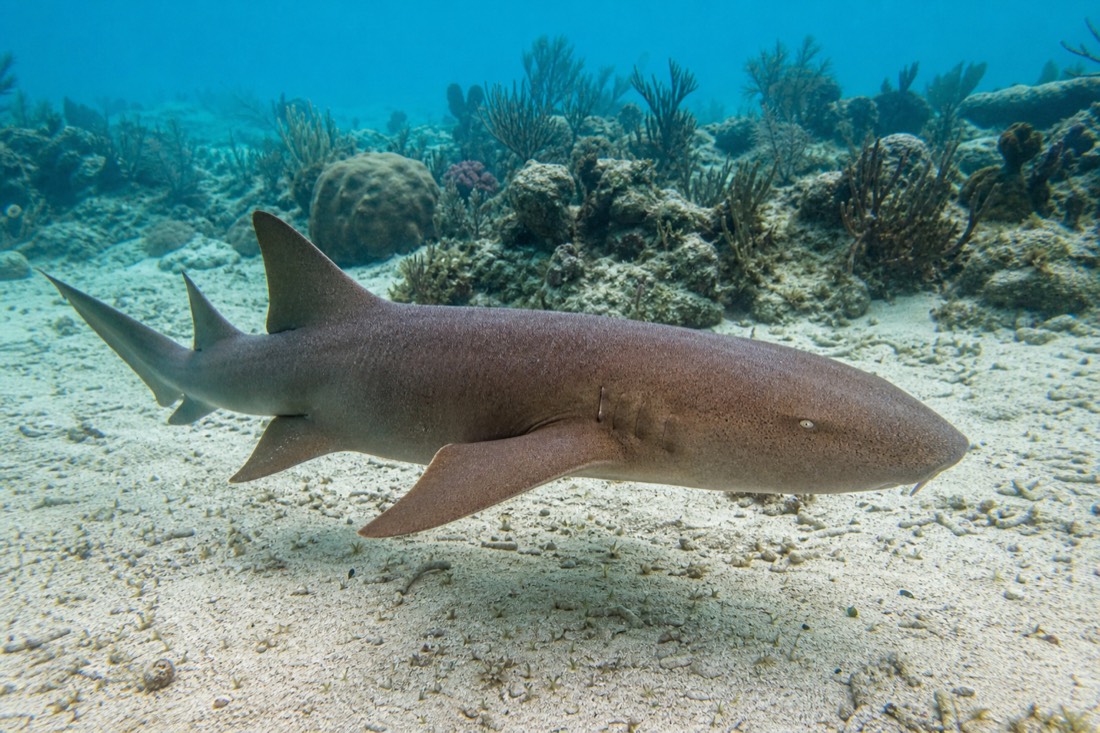
This is the encounter that sells Belize. Nurse sharks are bottom-feeders with small mouths and no interest in swimmers, and on the shared boats you will often have several sliding past at once, sometimes six or eight feet long, sometimes longer. One operator's itinerary notes sharks ranging up to twelve feet at this stop. Southern stingrays cruise the sand underneath them, and schools of jacks and snapper thicken the water in between.
Two honest notes. First, this is a habituated site: the animals show up because people have been in the water there for decades, and some crews still put bait over the side. If that sits badly with you, ask your operator what they do before you book. Second, it is popular, so on a cruise-heavy morning you may share the flat with several boats. Going out early, or booking a private boat out of San Pedro, is the difference between a crowd and a quiet twenty minutes.
| Trip | Departs from | Listed length | Reserve fees | Listed from |
|---|---|---|---|---|
| Caye Caulker 7 stop snorkeling tour | Caye Caulker | 6 hours | All marine park entrance fees included | $110 per person |
| San Pedro 4 stop tour with sharks and lunch | San Pedro | 8 hours | Hol Chan and Shark Ray Alley fees included | $125 per person |
| Private Hol Chan and Shark Ray Alley tour | San Pedro, Ambergris Caye | 7 hours | Hol Chan entrance fee included | $675, private boat |
| Caye Caulker private full-day Hol Chan tour | Caye Caulker | 6 hours | All marine park and reserve fees included | $825, up to 8 guests |
Those figures come off the operators' current listings and they move with season and group size, so read them as a starting point rather than a quote. The four-stop snorkeling day from San Pedro is the best value of the group if you want the shark flat plus a manatee search and an afternoon on a second island.
Is Mexico Rocks worth a stop from San Pedro?
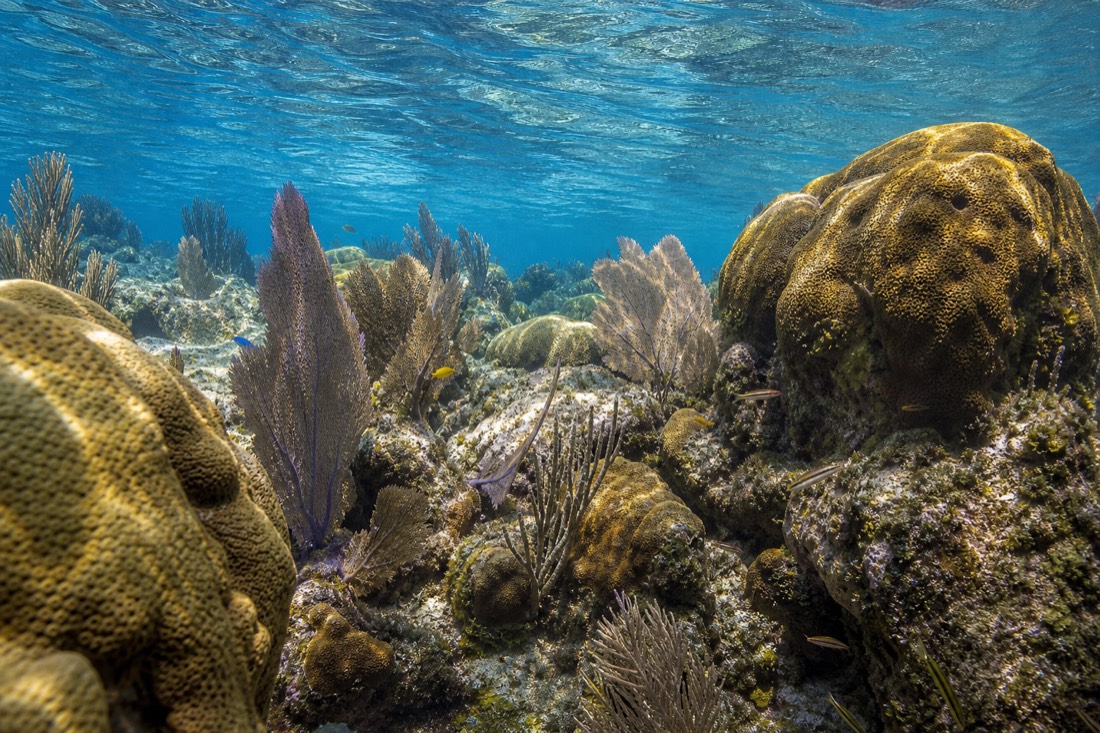
Mexico Rocks is a shallow patch reef about a 15 to 20 minute boat ride north of San Pedro Town, and it suits nervous swimmers better than the channel does. Coral heads sit in waist to chest deep water inside the reef line, with almost no current to fight and bright light on the coral all morning.
For years this was the locals' site, quietly visited and unprotected. That changed when the government folded it into the marine reserve, a process that started with a statutory instrument signed in March 2015 and finished with the formal expansion in February 2016. It now sits under two management zones, one for general use and one where nothing may be taken, which is why the coral there still looks healthy while shallower sites elsewhere in the Caribbean have thinned out.
Snorkelers who found the reef channel intimidating usually rate this stop highest. The coral heads rise close enough to the surface that you can hover over a whole colony without diving down, and the fish are the small bright ones people picture: sergeant majors, butterflyfish, parrotfish crunching audibly at the coral. Anyone building a first day around snorkeling from San Pedro should ask whether their boat includes it, because not every itinerary runs north.
What is the snorkeling like off Caye Caulker?
Caye Caulker sits behind the same reef, roughly a mile offshore, so its boats reach coral within minutes of leaving the dock. The island's own famous swimming spot, the Split, is a hurricane-cut channel that is excellent for a float and a drink but holds almost no coral, so the real snorkeling still happens on a boat.
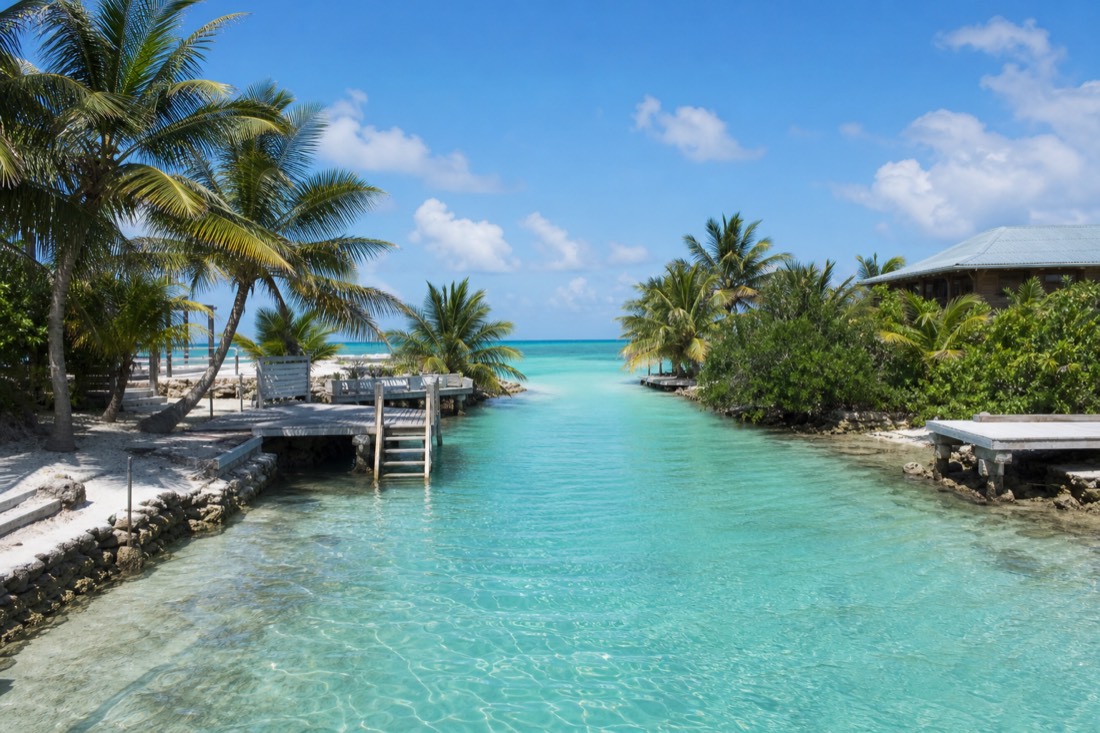
What Caye Caulker changes is the tone of the day, not the reef. It is smaller, sandier and slower than its northern neighbor, golf carts and bicycles instead of traffic, and the boats leave later. One of the trips we list pushes off at 9:00 AM and is back at the dock by 3:00 PM, with a home-cooked lunch served on board at midday and two extra stops to look for seahorses. That rhythm suits people who want the reef without an alarm clock.
| Deciding factor | Caye Caulker | San Pedro, Ambergris Caye |
|---|---|---|
| Water taxi from Belize City | About 45 minutes | About 90 minutes, calling at Caye Caulker |
| Flight from the international airport | Airstrip served, most arrive by boat | Roughly 13 to 16 minutes on a scheduled hop |
| Shared full-day snorkel trip | Listed from $110 per person | Listed from $125 per person |
| Private charter | Listed from $825, up to 8 guests | Listed from $675 for the boat |
| Getting around | Walk or bicycle end to end | Golf carts, taxis, a real town grid |
| Feel | Barefoot, small, unhurried | Busier, more restaurants, more choice |
Neither island is wrong. Our longer guide to snorkeling from Caye Caulker covers the boat options in detail, including which trips cross to the reserve and which stay closer to home.
Is Turneffe Atoll worth the longer boat ride?
Turneffe Atoll is the largest of the country's three coral atolls and lies outside the main barrier reef, so the water is clearer and the fish less used to people. Reaching it means a long open-water crossing, and most boats that go are dive-led, so snorkelers should confirm what the day actually stops for before paying.
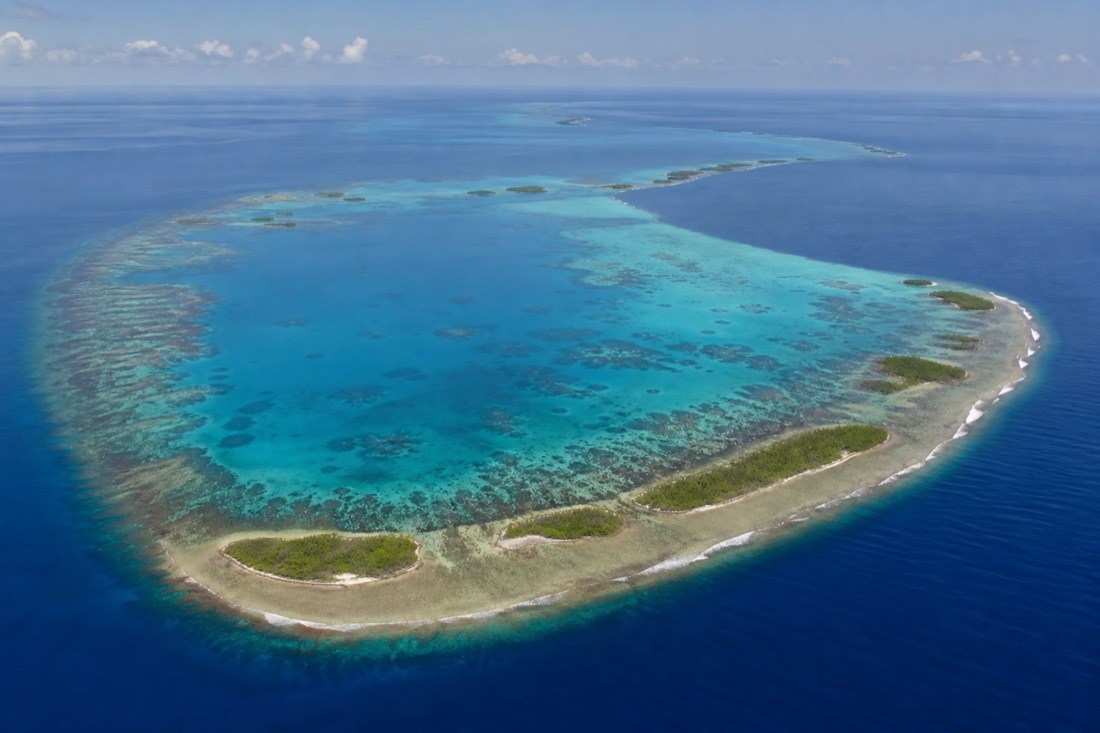
Belize has something rare: three true atolls, ring-shaped reefs rising from deep water, when almost every other atoll on earth sits in the Pacific or Indian Ocean. That structure is part of why the UNESCO World Heritage listing exists, and it is why the outer sites feel different from the inner reef. Visibility runs longer, walls drop away into blue instead of sand, and turtles and eagle rays pass without hurrying off.
| Atoll | Protection status | Best known for | Snorkel or dive |
|---|---|---|---|
| Turneffe Atoll | Its own marine reserve, outside the seven World Heritage areas | Mangrove-fringed flats, bonefish, deep walls | Mostly dive-led, check the stops |
| Lighthouse Reef | Holds two World Heritage areas, Blue Hole and Half Moon Caye | The sinkhole, red-footed boobies, shallow coral gardens | Dive the hole, snorkel the atoll |
| Glover's Reef | Glover's Reef Marine Reserve, a World Heritage area | Remote patch reefs, overnight island camps | Snorkel friendly, but a long way out |
For a first trip, the atolls are a luxury rather than a necessity. The inner reef delivers turtles, sharks and coral within half an hour of a dock, and the crossing time you save buys a second day in the water. If you want to understand why the outer structures look so different, our guide to the shape of the Belize Barrier Reef explains how the crest, the lagoon and the atolls fit together.
A dedicated Turneffe snorkel departure is not verified in this shortlist. Do not substitute a northern barrier-reef trip and assume it visits the atoll.
Can you actually snorkel the Great Blue Hole?
Not in the way the aerial photos suggest. The Great Blue Hole is a deep collapsed cave system and a technical dive site, with a very different surface view from the famous aerial photograph. Snorkelers on a Blue Hole day trip get their water time on the surrounding Lighthouse Reef instead, usually at Half Moon Caye and the shallow coral nearby.
That distinction matters, because the hole is the single most photographed thing in the country and plenty of people book a long day expecting to swim it. From the surface you are floating over a dark circle roughly 300 meters across with no reef life beneath you. The reward on that trip is the flight over it, if your operator includes one, and the atoll around it.
Half Moon Caye is the genuine prize. The island became the country's first protected wildlife site back in 1928 and is looked after by the Belize Audubon Society, which is why the red-footed booby colony is still there and still nesting in the littoral forest. Snorkelers get shallow coral, frigatebirds overhead and a beach that looks staged. Set expectations properly and it is a good day. Book it thinking you will snorkel inside the hole and you will be disappointed, which is exactly what our page on what snorkelers get at the Great Blue Hole was written to prevent.
What is there to snorkel in southern Belize?
Southern Belize trades the famous names for empty water. From Placencia and Hopkins, boats reach South Water Caye, Tobacco Caye, the Silk Cayes and Laughing Bird Caye, four World Heritage protected areas among them, and you will often have a reef stop entirely to yourself.
The southern coast works differently. Instead of one big reserve absorbing every boat, the reef breaks into small cayes scattered across a wide marine park, and the trips are island-hopping days rather than three-stop circuits. One of the tours we feature leaves Hopkins at 8:00 AM, crosses to the South Water Caye Marine Reserve in about 30 minutes, and works through up to four islands, Bread and Butter Caye, South Water Caye, Bird Caye and Tobacco Caye, with a barbecue lunch cooked on the sand.
| Southern site | Nearest base | Protected area | What stands out |
|---|---|---|---|
| South Water Caye | Hopkins or Dangriga | South Water Caye Marine Reserve | Reef drop within swimming distance of the beach |
| Tobacco Caye | Hopkins or Dangriga | South Water Caye Marine Reserve | Tiny island sitting right on the reef crest |
| Silk Cayes | Placencia | Gladden Spit and Silk Cayes Marine Reserve | Sand cayes, turtles, eagle rays, deep blue edges |
| Laughing Bird Caye | Placencia | National park and World Heritage area | A faro, a shelf reef with its own lagoon |
| Bird Caye | Hopkins | South Water Caye Marine Reserve | Frigatebird and booby nesting close to the boat |
The catch is travel time. Getting south means a domestic flight or a long drive from the international airport, so this is a region to base in rather than day-trip to. The island-hopping day out of Hopkins is the easiest single introduction, and our regional guide covers the cayes off Placencia and Hopkins in more depth.
Where do whale sharks show up in Belize, and when?
Gladden Spit, about 22 miles off the Placencia peninsula, is the only reliable whale shark aggregation in the country. They come for spawning snapper and grouper, which means a narrow season from roughly March through June and best odds in the few days around a full moon. Nobody can promise you a sighting.
Be careful with how this gets sold. The animals are wild, they are following a food event rather than a schedule, and plenty of boats come back having seen nothing but blue water and a spawning aggregation of fish. Trips run from Placencia during the season, permits are limited, and a guide who guarantees a whale shark is guaranteeing something they cannot control. We would rather you booked it as a maybe on top of a good reef day than as the reason for the trip.
If the season is why you are choosing dates, read the real odds of seeing a whale shark before you book flights, and cross-check it against the best months for Belize snorkeling, because the whale shark window and the calmest water do not overlap perfectly.
No dedicated Gladden Spit whale-shark trip is verified here. The Silk Cayes product is a coral-reef outing, not a whale-shark excursion.
Which Belize snorkel spot fits your trip, and what does it cost?
Match the spot to your base and your comfort in water. From the northern cayes, Hol Chan, Shark Ray Alley, Mexico Rocks and Coral Gardens are all short hops. From the south, the island reserves are the draw. The atolls and Gladden Spit are long days that only pay off with time to spare.
| Spot | Nearest base | Access | Best for |
|---|---|---|---|
| Hol Chan Marine Reserve | San Pedro or Caye Caulker | Short boat, on nearly every itinerary | Big fish, the signature Belize snorkel |
| Shark Ray Alley | San Pedro or Caye Caulker | Short boat, paired with Hol Chan | Nurse sharks and rays at arm's length |
| Mexico Rocks | San Pedro | 15 to 20 minutes north by boat | Nervous swimmers, shallow bright coral |
| Coral Gardens | San Pedro or Caye Caulker | Short boat, common third stop | Turtles and easy drifting over patch reef |
| Caye Caulker reef and the Split | Caye Caulker | Boat for coral, walk to the Split | A slow island day with reef attached |
| Turneffe Atoll | Belize City or the cayes | Long open-water crossing | Confident snorkelers on dive-led boats |
| Half Moon Caye, Lighthouse Reef | Belize City or the cayes | Full day, hours of running each way | Seabirds, remote coral, a real expedition |
| South Water Caye and Tobacco Caye | Hopkins or Dangriga | About 30 minutes by boat | Empty reef and beach time in one day |
| Silk Cayes and Laughing Bird Caye | Placencia | Longer boat within the marine reserve | Sand cayes, turtles, private boat, shared reef sitess |
| Gladden Spit | Placencia | 22 miles offshore, seasonal permits | March to June gamblers chasing whale sharks |
Costs are easier to plan than people expect, because the reserve fees are usually already inside the ticket. Every one of the shared trips we list bundles the marine park entrance, so the number you see is close to the number you pay.
| Line item | Planning allowance | Notes |
|---|---|---|
| Shared full-day boat trip | Around $110 to $125 per person | Gear, lunch and park fees included on the listings we feature |
| Southern island-hopping day | Around $280 per person | Longer day, four islands, barbecue lunch on the caye |
| Private charter | From around $675 for the boat | Your own captain and guide, itinerary built with you |
| Hol Chan reserve entrance | Around $15 per person | Bundled into every shared tour on this site |
| Water taxi, Belize City to the cayes | Budget a return fare per person | About 45 minutes to the first island, 90 to the second |
| Tips for captain and guide | Discretionary, listed as optional | Cash, handed over at the end of the day |
Booking with Belize Snorkeling Tours means those inclusions are already checked against the operator's own listing, so you are comparing like with like rather than guessing which price hides a park fee. If you are still deciding what goes in the dry bag, our checklist covers what to bring snorkeling on a full day at sea. Arriving by cruise ship changes this planning quite a bit, since the water taxi and tender timing eat into the day; our separate guide for cruise passengers works through a realistic time budget for a single port call.
Is Belize safe for a snorkeling trip right now?
Belize sits at Level 2, "Exercise Increased Caution," on the US State Department advisory as of its March 2026 update, the same tier as France or Italy. One area is rated higher: Southside Belize City carries a Level 3 "Reconsider Travel" note. The cayes are not in that zone.
That is the accurate picture, and both halves of it matter. The advisory is crime-related and concentrated in specific neighborhoods of the mainland city, which most snorkeling visitors pass through only between an airport and a water taxi dock. It is not a reef warning, and it does not apply to the islands where the tours on this site operate.
Water safety deserves more of your attention than crime does. The channel at the reserve has real current on a strong tide, boat traffic around the popular stops is heavy at midday, and the most common bad day we hear about is sunburn on the back of the legs after four hours face-down in the water. Wear a rash guard, listen to the briefing, and stay with the guide at the cut. Travelers who want the longer version can read our take on Belize safety for snorkelers, which goes through the advisory and the in-water risks separately.
Tour choice does not establish that travel is safe for your circumstances. Review current advisories and operator restrictions separately.