What to Bring Snorkeling in Belize: A First-Timer's Checklist
Almost nobody forgets their swimsuit. What people forget is the towel, and then they spend a 35-minute boat ride back to San Pedro drying off in the wind. The gaps in a Belize snorkel bag are small, predictable and easy to close, and this is the list that closes them.
Booking details checked 11 September 2026. Older price examples below are planning estimates, not current quotes. Use the provider for your date and full group total; sightings and weather are never guaranteed.
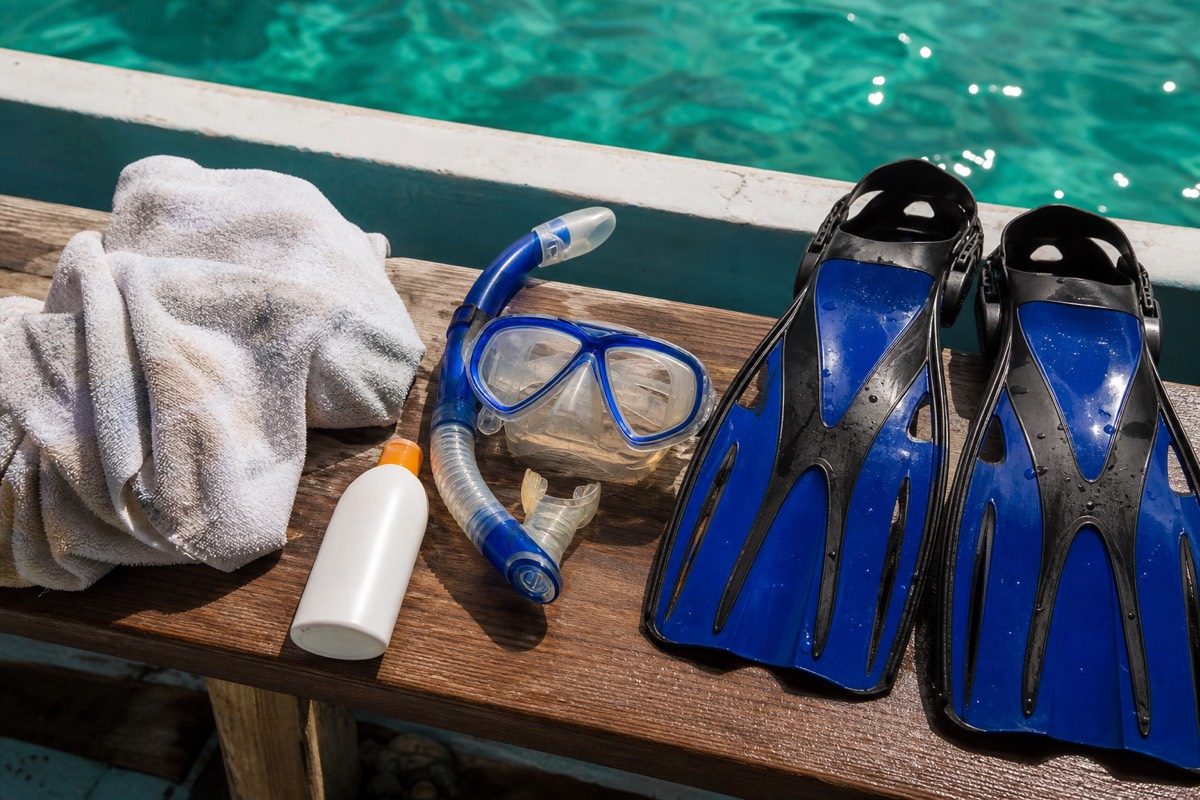
The first Belize snorkel morning has a rhythm to it. You walk to a dock a bit before eight, someone hands you a mask and asks your shoe size, and by twenty past you are watching the island shrink behind the boat. Nothing about the day is complicated. It just punishes small omissions, and the sun does most of the punishing.
What follows is the packing list built from the actual included and not-included lists of the trips we work with, rather than a generic tropical checklist. The gaps are consistent enough that you can pack for them once and be right on any boat in the country.
What the boat gives you, and what you bring
Taken from the published included and not-included lists of the trips we list. Fees and prices move, so confirm on the live listing before you rely on a number.
What do you need to bring snorkeling in Belize?
Bring a quick-dry towel, reef-safe mineral sunscreen, a long-sleeve rash guard, a hat, sunglasses with a strap, a small dry bag, and cash in small bills. Check your selected tour: gear, lunch and marine park fees vary by product. Those seven items are the ones that show up on every not-included list in Belize.
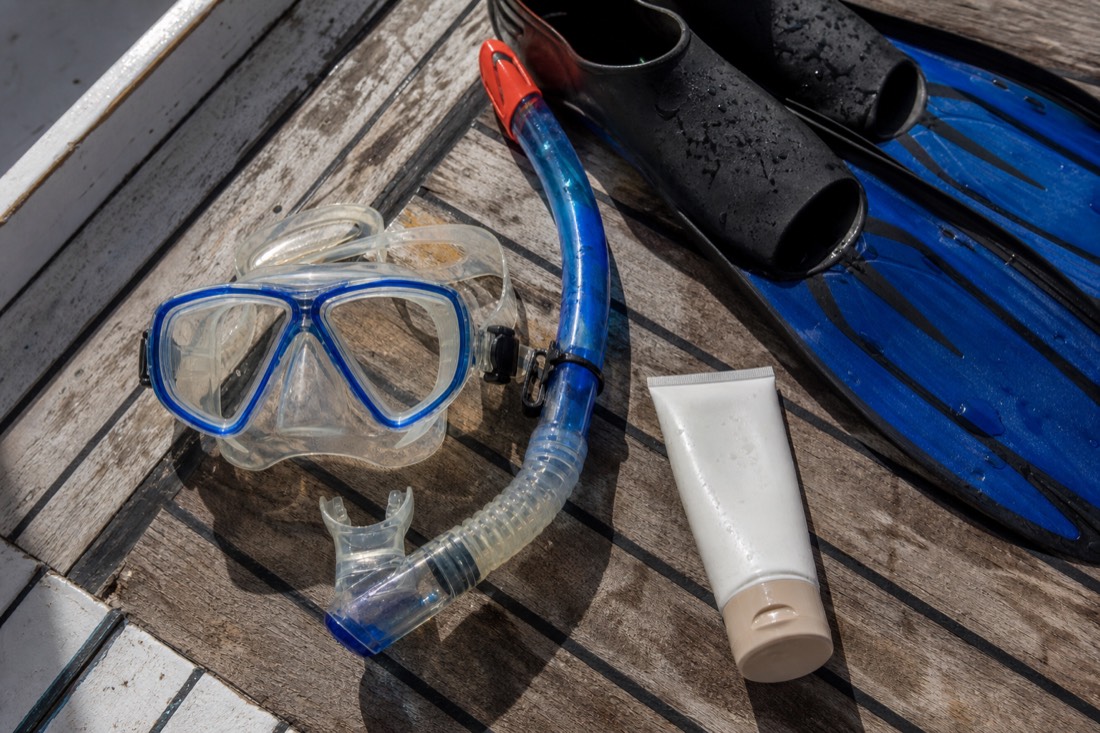
Note what is absent from that list. No wetsuit, because the Caribbean here runs from the high 70s to the mid 80s Fahrenheit all year and a rash guard handles the rest. No underwater camera on the Caye Caulker trip, because that operator hands out GoPro photos and videos as part of the package. No snorkel vest, because the boats carry them.
The mistake is packing for a beach day instead of a boat day. A boat day is six to eight hours of unbroken sun, salt spray, wet feet and no shade beyond a canvas top, and the items that matter are the ones that manage exposure rather than the ones that look good in photos.
| Item | Why it earns space | Skip it if |
|---|---|---|
| Quick-dry travel towel | Bring your own unless the selected operator includes towels; a wet cotton towel dries slowly | Never. This is the single most forgotten item. |
| Reef-safe mineral sunscreen | Required or strongly encouraged inside the marine reserves, and never included | Never. Buy it at home, not on the island. |
| Long-sleeve rash guard | Covers the back and shoulders, the two areas that burn while you float face down | You genuinely enjoy reapplying lotion every 90 minutes |
| Hat with a brim, plus a cord | Boat speed removes any hat that is not tied on | You have a hood on the rash guard |
| Sunglasses with a floating strap | Glare off the water all day, and sunglasses go overboard constantly | You accept losing a pair |
| Small dry bag | Phone, cash and passport copy stay dry through spray and the wet gear pile | You are leaving everything at the hotel, which is also fine |
| Cash in small US bills | Tips, drinks, and any fee the trip does not cover | Never. Card readers on a boat are not a thing. |
| Motion sickness tablets | Follow the medicine label and pharmacist’s advice on timing | You know you do not get seasick |
| Water shoes or sandals with a heel strap | Wet docks, coral rubble beaches, hot boat decks | You are on a sand-caye trip only |
| Dry change of clothes | The ride back is windy and you are wet | Your hotel is a five-minute walk from the dock |
Do the tours provide snorkel gear, or should you bring your own?
The standard northern reef trips include mask, snorkel and fins. The dedicated Blue Hole day lists gear rental as an extra. Bring your own only for a prescription mask, an unusual face shape or a hygiene preference. One operator states directly that specialised prescription masks are not supplied, so anyone who needs vision correction in the water should pack theirs.
Rental gear in Belize is generally decent because the boats live and die on reviews, but there is a reason experienced snorkelers travel with their own mask. Fit is everything. A mask that leaks on the first stop will leak on all four, and no amount of tightening fixes a bad seal, it just gives you a headache and a red ring across your face.
Fins are less personal. Unless you have wide feet or a strong preference for a particular blade length, the supplied pair is fine for a day of drifting over coral. What actually varies between operators is what else lands in the boat with you.
| What you get | San Pedro four-stop day | Caye Caulker seven-stop day | Private Hol Chan trip |
|---|---|---|---|
| Snorkel gear | Included | Included | Included |
| Lunch | Belizean lunch included | Home-cooked lunch and drinks on board | Not included, optional stop on Caye Caulker |
| Marine park fees | Hol Chan and Shark Ray Alley fees included | All marine park entrance fees included | Hol Chan entrance fee paid separately |
| Snacks and water | Fruit with lunch | Drinks included | Bottled water, seasonal fruit, chips |
| Photos | Not listed | Free GoPro photos and videos | Not listed |
| Towel | Bring your own | Bring your own | Bring your own |
| High-SPF sunscreen | Bring your own | Bring your own | Bring your own |
| Prescription mask | Not listed | Explicitly not provided | Not listed |
| Hotel transfer | Not included | Not included | Private boat, dock meeting point |
The pattern across all three: the water side of the day is handled, the personal side is not. If you are choosing between shared and private, the private Hol Chan and Shark Ray Alley boat gives you the route and the timing, but you carry the reserve fee and the lunch decision yourself, while the four-stop shared day out of San Pedro bundles both into the price.
What sunscreen can you use on the Belize reef?
Use reef-safe mineral sunscreen with non-nano zinc oxide or titanium dioxide as the active ingredient. Belize's marine reserves restrict or strongly discourage sunscreens containing oxybenzone and octinoxate, and the operators ask guests to use biodegradable products. Buy it before you travel, because island pharmacies stock little of it and charge a lot for what they have.
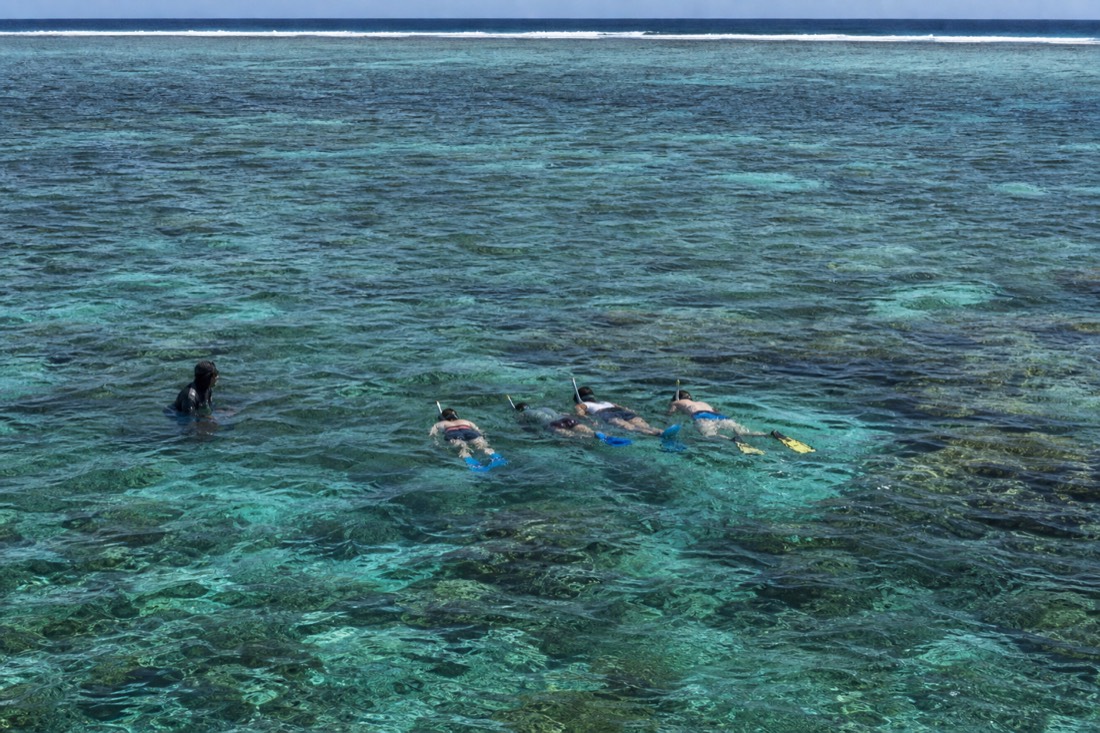
This is the one rule first-timers break without realising there is a rule. The standard drugstore bottle sitting in most beach bags contains exactly the chemicals the reserves are trying to keep out of the water, and the guides do notice. Several operators put reef-safe sunscreen in their own trip notes as a requirement rather than a suggestion.
The reasoning is not sentimental. Oxybenzone and octinoxate are linked to coral bleaching and to damage in coral larvae, and the water at a site like Hol Chan holds hundreds of swimmers a day in a channel the size of a few tennis courts. The chemistry adds up fast in a place that small.
| Type | Reef status | Practical notes |
|---|---|---|
| Non-nano zinc oxide | Accepted, the safest choice | Leaves a visible white cast, which is the trade-off. Thick and long-lasting. |
| Non-nano titanium dioxide | Accepted | Lighter feel than zinc, slightly less water resistant |
| Products labelled biodegradable or reef-safe | Generally accepted, read the label | The label is unregulated, so check the active ingredients yourself |
| Oxybenzone | Restricted or discouraged in the reserves | The most common chemical filter in supermarket sunscreen |
| Octinoxate | Restricted or discouraged in the reserves | Often paired with oxybenzone in the same bottle |
| Spray sunscreen of any kind | Discouraged on boats | Most of it lands on the deck and then in the water. Lotion only. |
| A rash guard | Always fine | The most effective reef-safe sunscreen is fabric |
Practical sequencing matters as much as the product. Apply at the hotel 20 minutes before you leave, not on the dock, and cover the back of the knees, the back of the neck and the ears, which are the three spots that burn on a snorkeler floating face down. A guide on the seven-stop Caye Caulker reef circuit will remind you before the first stop, but by then the crossing has already happened.
What should you wear on the boat all day?
Swimwear under a long-sleeve rash guard, quick-dry shorts, a brimmed hat with a cord, sunglasses on a strap and shoes you can get wet. Skip anything cotton, anything white you care about, and anything that has to stay dry. Boat layouts vary; plan for sun, salt spray and wet equipment.
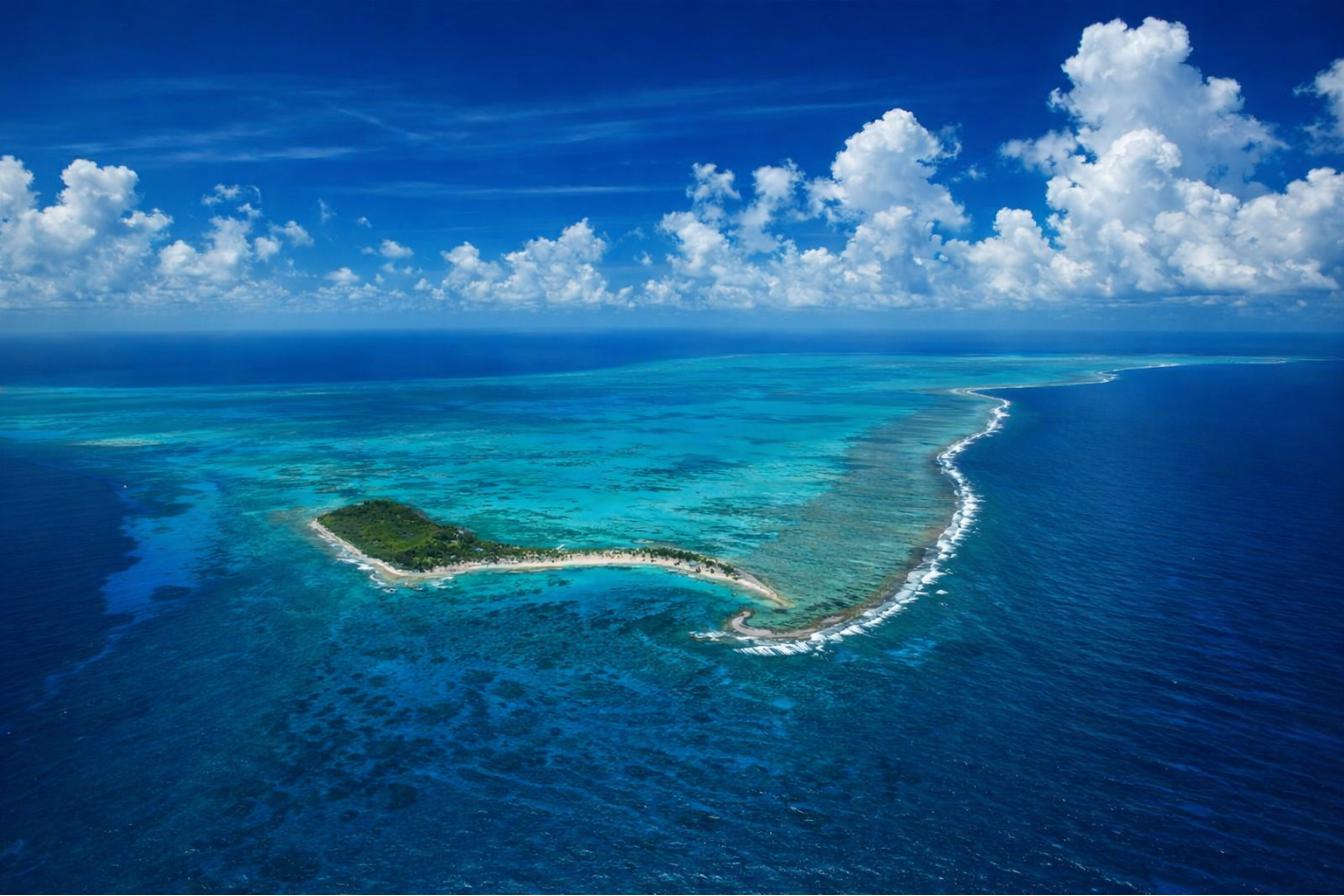
The reason to lead with the rash guard is arithmetic. A snorkeler spends most of an hour face down with the back, shoulders and calves in full equatorial sun, and reapplication is impossible mid-swim. Fabric does not wash off. This is why the operators themselves recommend a swim shirt in their own trip notes rather than a bigger bottle of lotion.
| Layer | What works | What fails |
|---|---|---|
| Torso | Long-sleeve UPF rash guard over swimwear | Cotton t-shirt, which turns heavy and cold on the ride back |
| Legs | Quick-dry board shorts or swim leggings | Denim, and anything with a non-waterproof pocket |
| Head | Brimmed hat with a chin cord | Any hat without a cord, at 25 knots |
| Eyes | Polarised sunglasses on a floating strap | Expensive frames with no retainer |
| Feet | Water shoes or sandals with a heel strap | Flip flops on a wet dock, and bare feet on a midday deck |
| Cold moments | A light windbreaker for the return leg | Nothing at all, on a windy afternoon crossing |
That last row surprises people. Belize is hot, but a wet body doing 25 knots into a headwind for 35 minutes gets genuinely cold, and the boats coming back into Caye Caulker's reef in the late afternoon are full of people wrapped in their own towels for warmth rather than dryness.
Do you need to be a strong swimmer to snorkel in Belize?
Swimming confidence and the support available on a particular boat matter more than the word beginner. Non-swimmer acceptance is not verified for these recommendations. Confirm your party’s needs before booking and raise them again at the briefing.
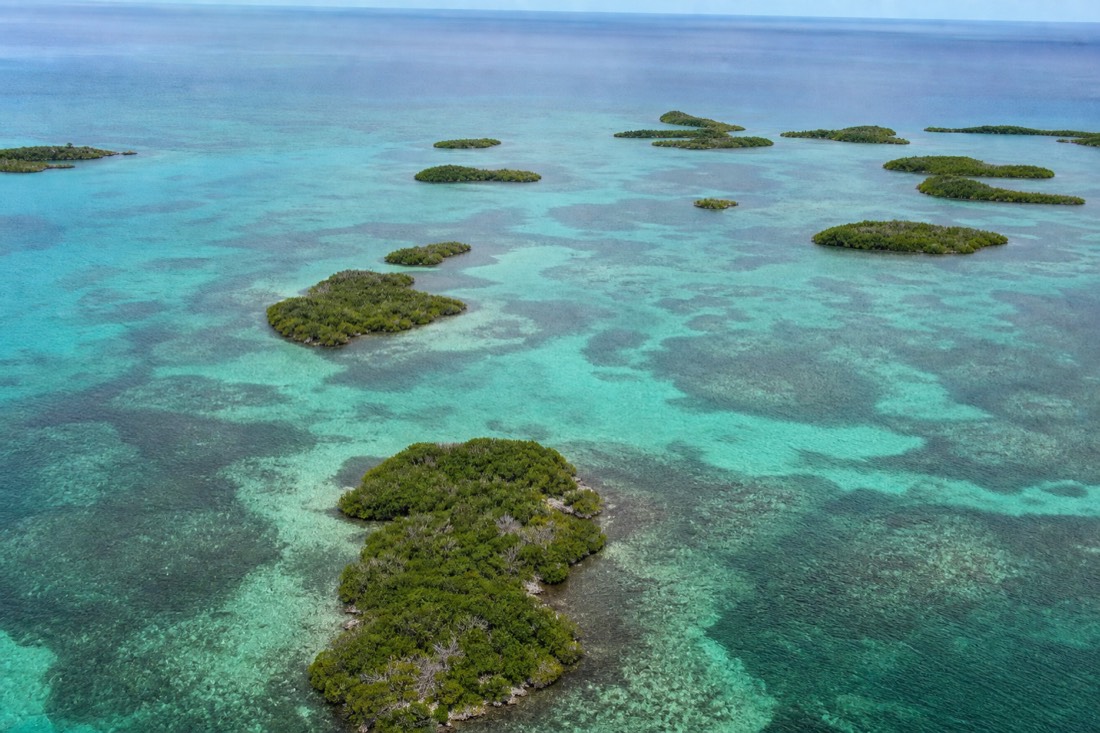
The honest version of this answer has two halves. Physically, snorkeling asks very little: you float, you breathe through a tube, and a vest keeps you up whether you swim or not. Psychologically, it asks more than people expect, because the first time you put your face in and the bottom is thirty feet down, the brain has opinions.
Sites vary in how forgiving they are. Shark Ray Alley is shallow, sandy and calm, which is why it works for beginners despite the name. Hol Chan Marine Reserve is a cut through the reef with real current on a moving tide, and it is the stop where less confident swimmers hold the guide's float line. If this is your first ever time in a mask, read our take on whether Belize is good for beginners before you pick a trip.
The published restrictions are worth reading too, because they are about the boat ride rather than the swimming.
| Traveller | What the operators state | What it means in practice |
|---|---|---|
| Children under 4 | Current Viator age bands start at 6 for the San Pedro full day and 5 for the Caye Caulker full day | Confirm every child’s age and support needs on the exact booking option |
| Pregnant travellers | Not recommended on the San Pedro and Hopkins trips | The crossing, not the snorkeling, is the concern |
| Back problems | Not recommended on the Hopkins island hopping trip | Small boats slam in chop, and the ride is 30 minutes each way |
| Non-swimmers | Non-swimmer acceptance not verified; confirm before booking | Confirm flotation and boat-only participation with the operator |
| Glasses wearers | Prescription masks not provided on the Caye Caulker trip | Bring your own, or accept a blurry reef |
| Seasickness-prone | Mexico Rocks lists a seasickness restriction; check your exact itinerary | Ask a pharmacist about appropriate medication and timing; check the operator’s restrictions |
No tour here is verified as suitable for a non-swimmer or a specific medical need. Resolve that with the operator before booking; equipment inclusion is not an eligibility check.
How much cash should you carry in Belize?
Carry small US bills. The Belize dollar is fixed at two to one against the US dollar and US cash is accepted everywhere, so there is no need to change money. Budget for tips, drinks, and any marine reserve fee your trip does not cover. The Hol Chan Marine Reserve entrance is around $15 per person, included on the shared trips and paid separately on the private one.
The fixed exchange rate is the single most useful thing to know about money in Belize. Two Belize dollars equal one US dollar, permanently, so mental arithmetic is halving or doubling and nothing else. Prices are quoted in both currencies and it is not always obvious which one a menu means, so when a number looks suspiciously high, it is probably Belize dollars.
Where cash actually matters is the boat. There is no card reader, tips are given in hand at the end of the day, and the reserve fee on some trips is collected at check-in. The reserve itself is run by the Belize Fisheries Department, and the fee funds the patrols and the mooring buoys that keep anchors off the coral.
| What for | Rough allowance | Notes |
|---|---|---|
| Hol Chan Marine Reserve entrance | Around $15 per person | Included on both shared trips we list, paid separately on the private trip |
| Tips for guide and crew | Your call, in small bills | Listed as optional on every trip, and always appreciated in cash |
| Lunch when not included | Restaurant prices on Caye Caulker | Only relevant on the private trip, where lunch is an optional stop |
| Alcoholic drinks | Bar prices | Check your chosen tour on any trip we list |
| Souvenirs and island extras | Small notes | Village shops on Caye Caulker prefer cash |
| Water taxi and golf cart | Small notes | Handy if you are moving between the islands the same day |
Draw cash the day before, not the morning of. Machines exist in San Pedro and on Caye Caulker, but standing at one at 7:45 AM while a boat loads is a bad way to start a snorkel day.
What should you leave at the hotel?
Leave the passport, the bulk of your cash, the second phone and any jewellery in the hotel safe, and carry a photo of the passport page instead. Boats have no lockers, bags sit in an open pile on deck, and the day involves multiple beach stops where nobody is watching the pile.
This is not a Belize-specific warning, it is a boat-specific one. Small vessels have nowhere secure to put anything, and your dry bag will spend a good part of the day sitting under a bench while you are two hundred metres away over a coral garden.
On the wider safety question, Belize as a whole carries a Level 2 advisory from the US State Department, the same tier as France, Italy and the United Kingdom, with a separate and more serious Level 3 rating attached specifically to the Southside area of Belize City. The cayes and the southern coast where snorkeling happens are not the areas driving that rating. If you want the fuller picture, we cover it in whether Belize is safe for a snorkeling trip.
Jewellery has a second reason to stay behind. Glinting metal in the water attracts curious fish, and rings slide off cold fingers. Neither is dangerous, but losing a wedding band over a reef in thirty feet of water ends a good day early.
How should you pack the bag itself?
Use two containers: a small dry bag for the things that must stay dry, and a mesh or canvas tote for everything that will get wet anyway. Loose items in a single beach bag end up damp, sandy and mixed together, and the sunscreen always leaks into whatever it is sitting next to.
The split is simple to run once you have done it once. Phone, cash, a passport photocopy, keys, medication and any camera go in the dry bag, which stays sealed and clipped. Towel, rash guard, hat, water bottle, sunscreen and shoes go in the tote, which lives on deck and does not matter.
| Dry bag, sealed | Tote, open on deck | Stays at the hotel |
|---|---|---|
| Phone in a case | Quick-dry towel | Passport |
| Cash in small bills | Reef-safe sunscreen | Most of your cash |
| Passport photocopy | Rash guard and hat | Jewellery and watches |
| Room key | Refillable water bottle | Laptop and spare devices |
| Medication and tablets | Water shoes | Anything you would hate to lose |
| Camera or GoPro | Dry change of clothes in a bag | Bulky beach gear |
Refillable bottle deserves a note of its own. Drinks are included on most trips, but a full day of sun and salt water dehydrates people faster than they expect, and the seasickness that hits at the third stop is often just dehydration wearing a costume.
What do first-timers forget most often?
The towel, in first place, by a wide margin. Then motion sickness tablets taken too late, sunscreen on the back of the knees, a hat cord, and small bills for tips. None of these ruin a day on their own, and all five together turn a good trip into an uncomfortable one.
A few less obvious ones come up repeatedly with people doing their first reef day. Anyone who wears contact lenses should know that a flooded mask can wash a lens straight out, so daily disposables and a spare pair travel well. Anyone counting on phone photos should understand that a phone in a cheap pouch is a phone at the bottom of the sea, which is part of why the Caye Caulker operator's included GoPro footage is more valuable than it first sounds.
And people underestimate the sun reflecting up off the water. It burns the underside of the chin and the inside of the nostrils, two places nobody applies sunscreen until they have been burned there once.
The last piece of preparation is not gear at all, it is timing. Boats leave early because the wind builds through the day, and a morning departure gets the calm water and the clear visibility. Our month-by-month look at the best time to snorkel in Belize covers the seasonal side, and if you are still choosing where to base yourself, the rundown of the best snorkeling spots in Belize compares the northern cayes against Placencia and Hopkins in the south. Belize Snorkeling Tours lists trips from both ends of the country, and the packing list above works on every one of them.