Snorkeling in Caye Caulker, Belize: The Complete Guide
There are no cars, the streets are sand, and the sign at the dock tells you to go slow. Caye Caulker runs at a pace that makes a 6 am boat feel like an imposition, which is a shame, because the best hour on the reef happens before the island has finished its first coffee.
Booking details checked 11 September 2026. Older price examples below are planning estimates, not current quotes. Use the provider for your date and full group total; sightings and weather are never guaranteed.
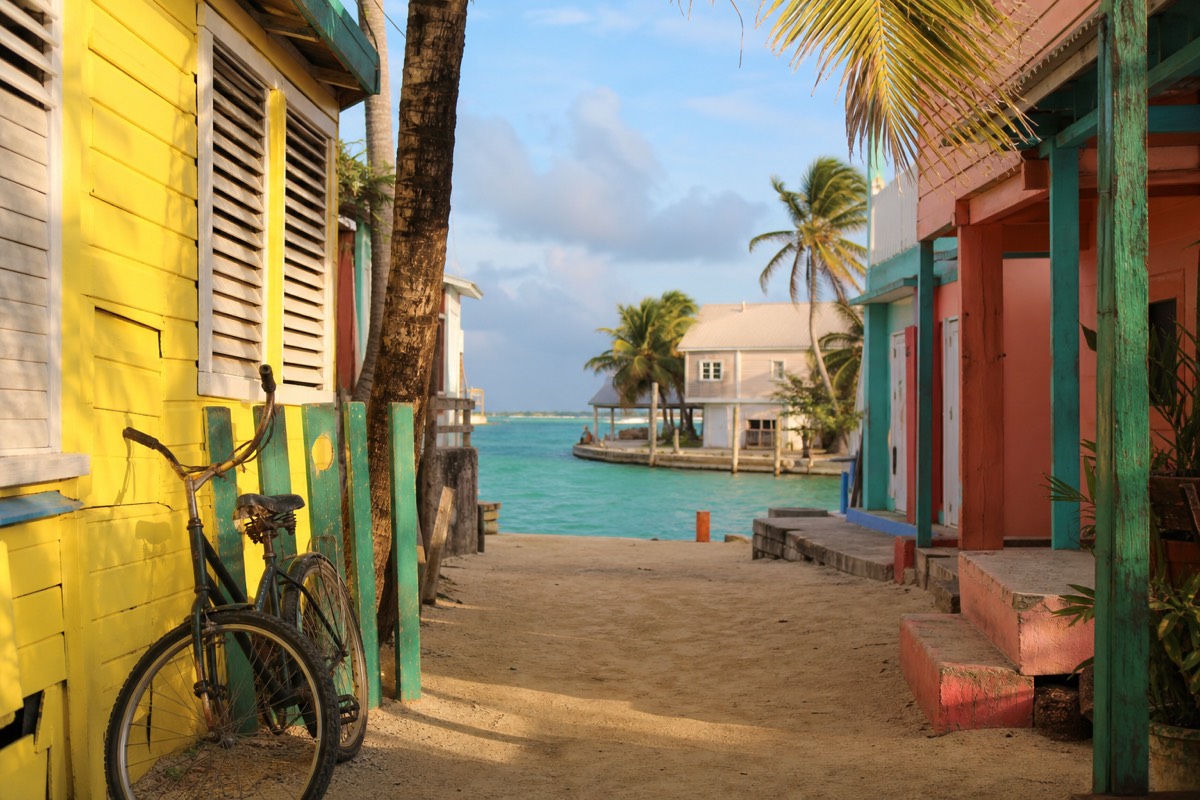
There are no cars. The three streets are sand, the golf carts move at walking pace because there is nowhere to hurry to, and a hand-painted sign near the dock tells arrivals to go slow. That instruction is the island's whole personality, and it works right up until the moment you need to be on a boat at seven in the morning, because the best hour on the reef happens before Caye Caulker has finished its first coffee.
The island is small, roughly five miles long and narrow enough to cross on foot in a few minutes, sitting about twenty miles off Belize City behind the same barrier reef that shelters everything else on this coast. It has a reputation as the budget, backpacker, hammock-and-ceviche alternative to the bigger island up the channel. That reputation is accurate about the town and misleading about the water, because the water out here is identical.
What follows is the practical version: where the reef actually is, what the Split is and is not, which trips leave from these docks, what a day costs, how the island stacks up against San Pedro as a base, and who is better off staying somewhere else.
Caye Caulker as a snorkeling base
Island size and reef distance are the standard figures for the caye, and ride times are working allowances drawn from the itineraries the operators we work with publish, not survey data. Prices are a recent snapshot from the current listings of the trips featured on this site and shift with season and group size, so check the live listing before you budget.
What is snorkeling from Caye Caulker actually like?
It is a boat trip, always. The barrier reef runs about a mile off the island's eastern side, so the nearest coral is roughly ten minutes from the dock, and the famous reserve stops at the tip of Ambergris Caye are around 45 minutes south. Nothing worth a mask is reachable by swimming from shore.
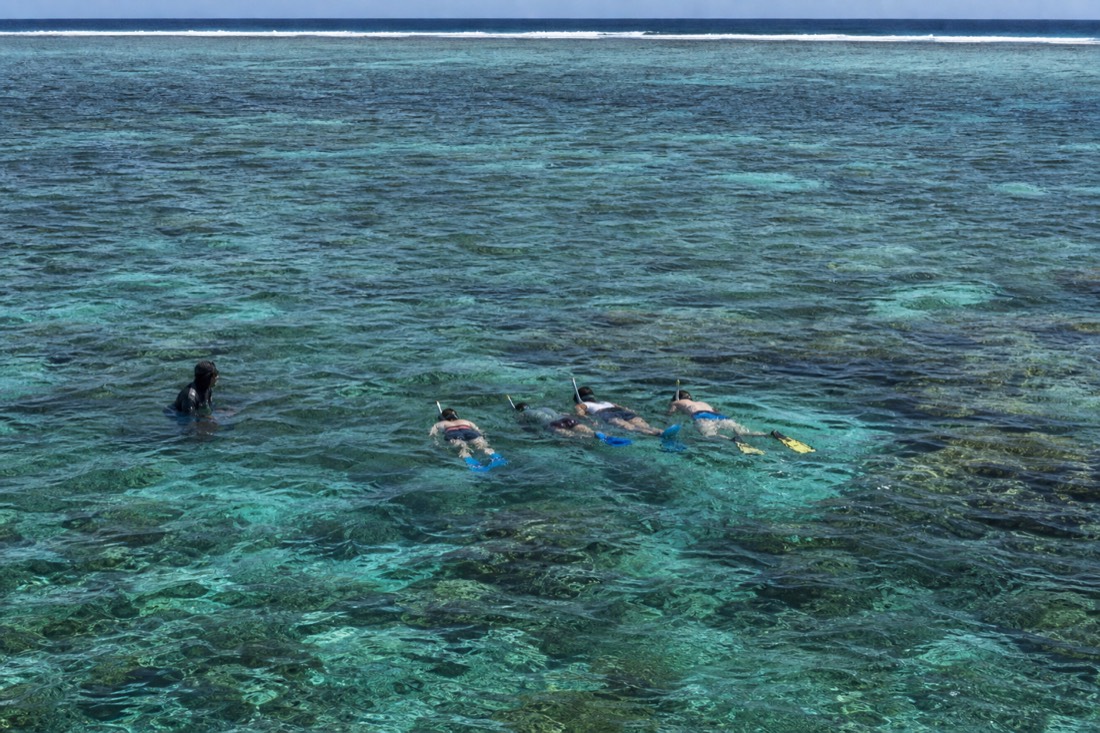
The upside of that geography is that a short ride puts you somewhere good. Boats leaving Caye Caulker do not have to commit to a single destination; a crew that finds a stop crowded or the light bad can shift a few minutes along the reef and try again. The reef here is the same living structure listed as a UNESCO World Heritage site since 1996, and the coral either side of the island holds the same fish as anywhere else along the crest.
The downside is the run south. Most people who come to Belize want the reef channel and the shark flat, and both sit closer to San Pedro. From here that is a proper crossing rather than a hop, which is why trips out of Caye Caulker tend to be full-day, tightly scheduled affairs that pack in stops on the way there and back rather than lazy half-days.
Weather bites harder here too, for the simple reason that a longer crossing needs a calmer sea. On a choppy morning a San Pedro boat may still run its local stops while a Caye Caulker boat heading for the reserve cancels. That is worth knowing when you plan which day to book, and it is a strong argument for putting the boat trip early in your stay.
| What the island gives a snorkeler | What it costs you |
|---|---|
| Same barrier reef, same fish, same protected zones | Roughly twice the run south to the marine reserve |
| Cheaper beds, food and beer than the bigger island | Fewer boats a day, so less flexibility if one fills |
| Everything walkable, no transport to arrange | Long crossings cancel sooner in rough weather |
| Small operators and small groups | Less choice of boat size and departure time |
| The Split for an afternoon float | It is a swimming channel, not a snorkeling site |
What is the Split, and can you snorkel there?
The Split is a narrow channel cutting straight through the island at the north edge of the village, widened by hurricane damage in the 1960s and now the island's swimming spot, with a bar on the bank and a concrete ledge to jump from. It is sand, current and boat traffic. There is essentially no coral, so it is a swim rather than a snorkel.
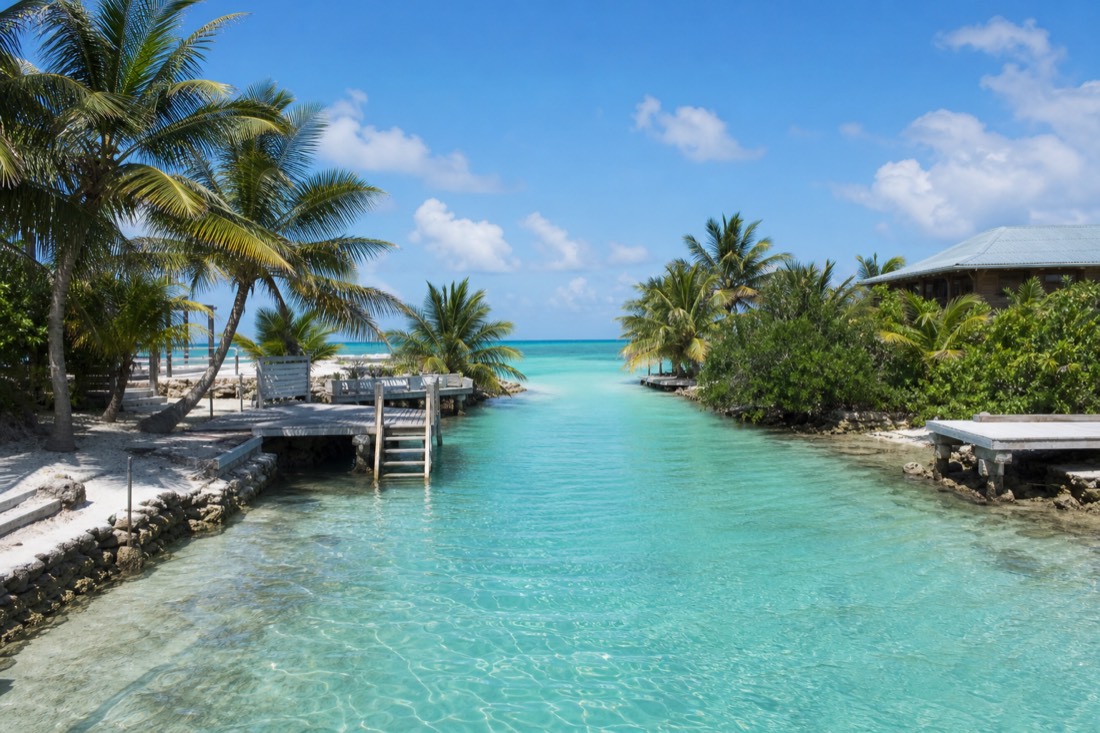
People do get in with a mask, and you will see the odd fish around the pilings and the edges. But calling it snorkeling sets an expectation the place cannot meet, and we would rather say so than repeat the brochure line. What the Split is genuinely good for is an afternoon: shallow clear water, somewhere to sit, a view up the channel, and the reliable island scene of people drinking rum out of a plastic cup at four in the afternoon.
Two safety notes that locals take seriously and visitors often do not. Water moves through the channel with real force at times, and it moves between two open stretches of sea rather than into a bay, so a weak swimmer who drifts is drifting somewhere. And the channel is a working route for boats, including fast ones. Stay near the edges, watch for traffic, and do not treat the middle as a lane.
If the appeal of the Split is easy shallow water rather than the party, there are better versions of that on a boat day. The shallow coral stops on most itineraries give you the same waist-deep comfort with something to actually look at, which our notes on shore snorkeling in Belize get into in more detail.
The Split is a swimming spot, not a ticketed substitute for Hol Chan. If casual shore access is your aim, this boat-tour shortlist is not the right purchase.
Which snorkeling trips leave from Caye Caulker?
Two shapes dominate. Shared full-day boats run a multi-stop circuit that includes the Hol Chan reef channel and Shark Ray Alley plus local stops like a shipwreck and a seahorse spot, and private charters for up to eight guests run the same reserve stops on your own schedule with lunch in San Pedro town.
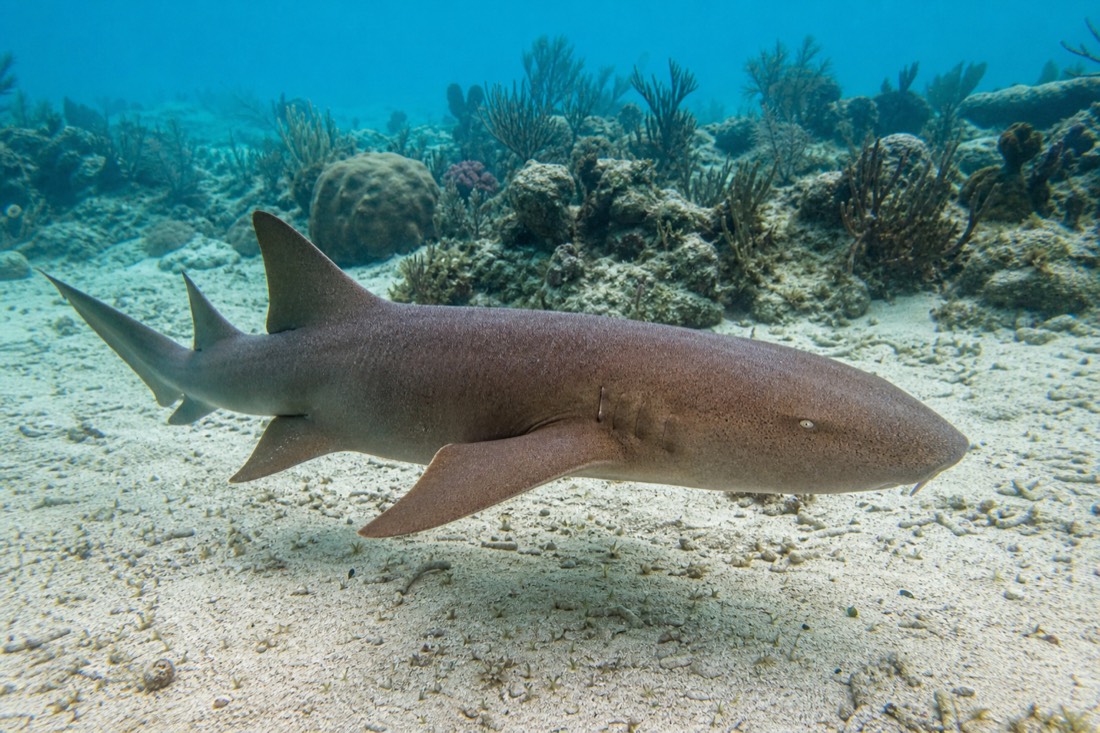
The shared circuit is the reason people book from this island. The seven-stop day out of Caye Caulker runs six hours from a nine o'clock start, includes the marine park fees, gear, a cooked lunch on board and the photos, and covers the reserve pair plus a submerged wreck and two bonus stops for seahorses. At a listed $110 per person it is the cheapest way to reach the headline sites from either island, and its booking count reflects that.
The private option trades money for control. The private full-day Hol Chan trip takes up to eight guests, opens at ten rather than nine, and threads the reserve, the shark flat, Coral Gardens and a quiet stop the crew calls Chato around a 90-minute lunch break in San Pedro. Weather permitting it adds the shipwreck. Reserve and park fees are covered, and the whole itinerary is negotiable in a way a shared boat's never is.
| Trip | Length | Group | Stops | Listed from |
|---|---|---|---|---|
| Caye Caulker 7 stop snorkeling tour | 6 hours, 9 am to 3 pm | Shared, small group | Hol Chan, Shark Ray Alley, shipwreck, seahorses | $110 per person |
| Caye Caulker private full-day Hol Chan tour | 6 hours, from 10 am | Private, up to 8 | Hol Chan, Shark Ray Alley, Coral Gardens, Chato, lunch in San Pedro | $825 for the boat |
| Private Hol Chan tour from Ambergris Caye | 7 hours | Private | Conch Graveyard, Hol Chan, Shark Ray Alley, Caye Caulker and the Split | $675 for the boat |
| San Pedro 4 stop tour with sharks and lunch | 8 hours | Shared | Hol Chan, Shark Ray Alley, Coral Gardens, manatee search, Caye Caulker | $125 per person |
Note the last two in that table leave from the other island but end up here, and the seven-hour private charter out of Ambergris Caye finishes with lunch in the village and a stop at the Split. If you are staying on Caye Caulker and a San Pedro departure suits you better, that is a workable plan in reverse, though it means an early water taxi. Both directions are covered in our guide to snorkeling out of San Pedro on Ambergris Caye.
How much does snorkeling from Caye Caulker cost?
A shared full-day boat is listed from around $110 per person with marine park fees, gear and lunch included. Private charters from the island start around $825 for a boat carrying up to eight. Those figures come off the operators' current listings and move with season and group size, so treat them as a starting point.
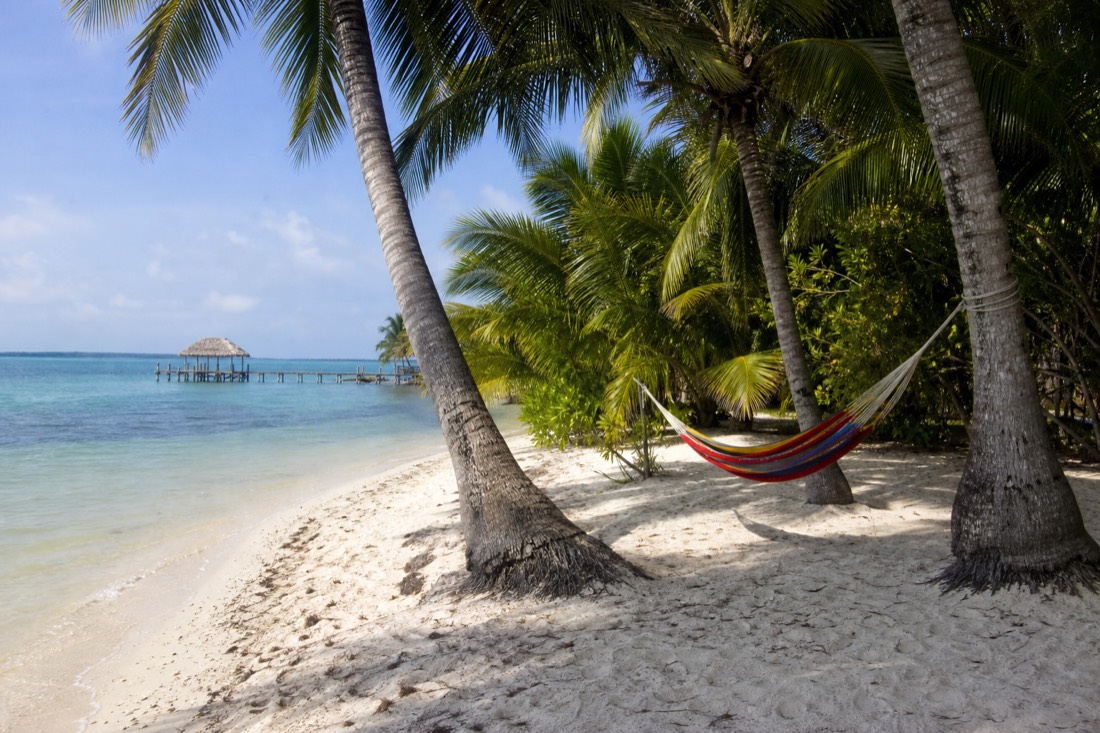
The number that catches people out is not the tour price, it is what sits outside it. Marine reserve fees are the usual omission on a cheap ticket, and at around $15 per person for the Hol Chan zones under the Belize Fisheries Department that is a real gap between two listings that look similar. Gear quality is the other one. A boat that hands you a leaking mask has cost you the day regardless of what you paid.
| What you are paying for | Shared boat from Caye Caulker | Private boat from Caye Caulker |
|---|---|---|
| Headline price | From $110 per person | From $825 for the boat |
| Marine park and reserve fees | Included on the listing | Included on the listing |
| Snorkel gear | Included | Included |
| Food and drink | Cooked lunch and drinks on board | Lunch stop in San Pedro town |
| Group size | Small group, shared with strangers | Up to 8, your party only |
| Control of the schedule | Fixed circuit and timings | Order and pace negotiable |
| Break-even against shared seats | Best value for 1 to 3 people | Worth pricing from about 6 people up |
Tipping the crew is normal and not built into any of those numbers. Nor are the small things that add up on a beach day: water beyond what the boat provides, a rash guard if you did not bring one, and reef-safe sunscreen, which is the one item worth buying before you arrive rather than on the island. Our packing list in what to bring on a first Belize snorkeling trip covers the rest.
Is Caye Caulker or San Pedro the better base?
The reef is identical, so the honest answer is that this is a choice about towns and budgets. Caye Caulker is smaller, cheaper and slower, with fewer daily departures and a longer run to the marine reserve. San Pedro has more boats, more restaurants and a shorter crossing, at a higher cost of living.
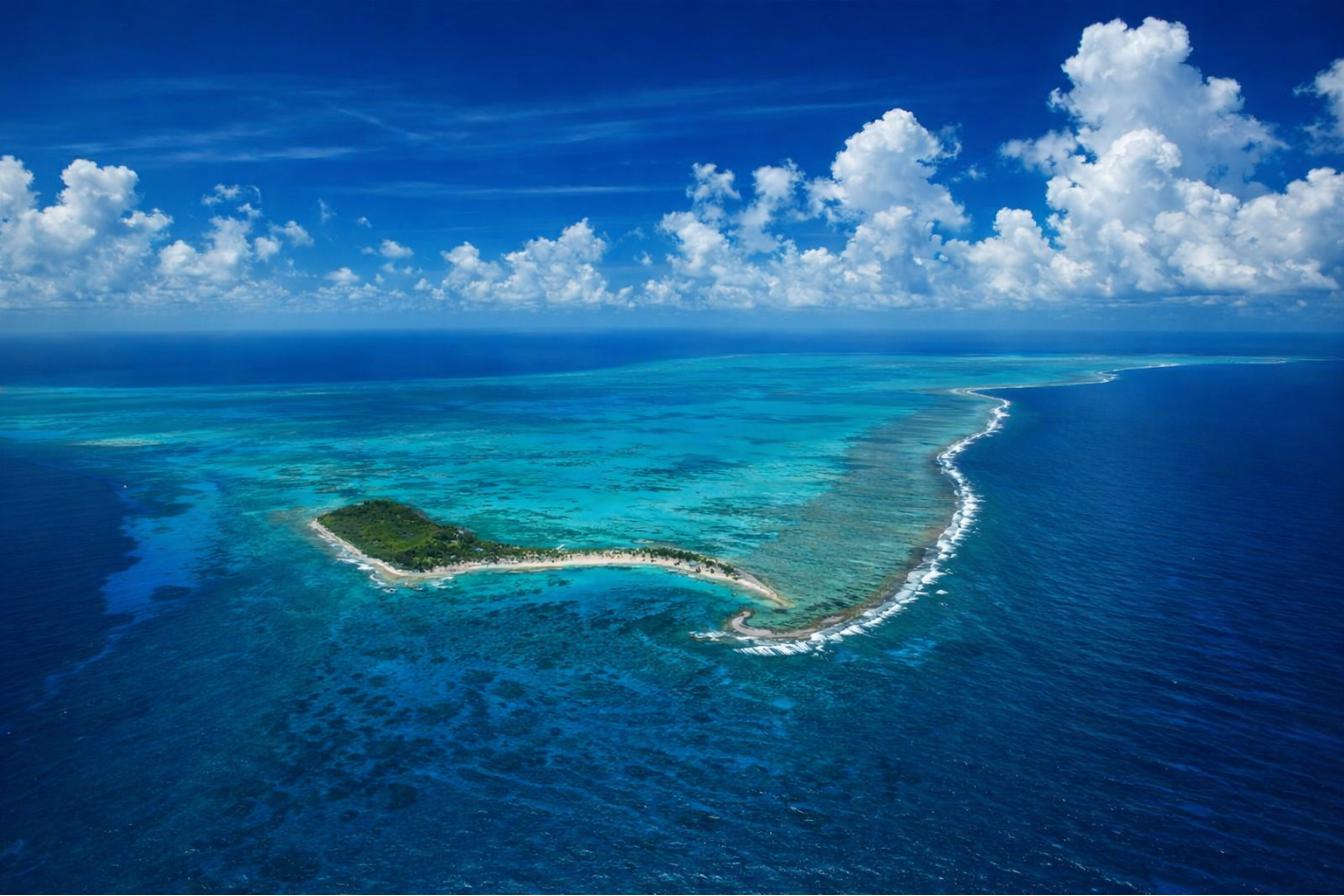
Nobody should choose between them on snorkeling quality, because there is no difference to choose on. Both islands sit behind the same crest, both send boats to the same protected zones, and the fish do not know which dock you left from. What differs is the number of ways you can get on the water and how the rest of your day feels.
The case for Caye Caulker is that it is genuinely relaxing in a way the bigger island is not. You walk everywhere. Dinner is a five-minute stroll. The place shuts down early and the loudest thing at night is usually the wind. If a slow island is what you actually came for, and the reef is a highlight rather than the entire itinerary, this is the better trade.
The case against is flexibility. Fewer boats leave each morning, which means a full sailing or a cancelled one has fewer fallbacks, and the longer crossing to the reserve is the first casualty of a rough sea. Travellers with one shot at the reef and a tight schedule are better served by the shorter run from the other island, a comparison we make from the opposite direction in our look at the best places to snorkel in Belize.
| Consideration | Caye Caulker | San Pedro, Ambergris Caye |
|---|---|---|
| Run to the marine reserve | Around 45 minutes | 20 to 30 minutes |
| Daily departures | Fewer, book a day or two ahead | The most of any base in Belize |
| Cost of a stay | Cheaper across beds, food and drink | Wide range, tops out much higher |
| Getting around | On foot, or a bike | Golf carts along a long island road |
| Evenings | A handful of places, closing early | Dozens of restaurants and bars |
| Weather resilience | Long crossing cancels sooner | Local stops still run on choppy days |
| Its own swimming spot | The Split, current and boat traffic | Docks and shallow seagrass flats |
How do you get to Caye Caulker from Belize City?
The water taxi is the standard route and takes around 45 minutes from the Belize City terminal, with several sailings a day, most continuing north to San Pedro afterwards. A domestic flight to the island's small airstrip covers the same distance in a fraction of the time if you would rather not take a boat at all.
Most visitors take the boat, and for most days that is the right call. It is cheap, it runs often enough that a missed sailing is an inconvenience rather than a disaster, and it deposits you on a dock in the middle of the village rather than at an airstrip on the edge of it. Bags go on the roof or the bow, so pack accordingly and do not put a camera in an outside pocket.
The exceptions are worth naming. In choppy weather the crossing gets uncomfortable, and the same conditions that make it unpleasant are the ones that threaten the next morning's snorkeling boat. Late arrivals into the international airport can also run out of sailings, which is the standard reason people end up spending an unplanned night in Belize City rather than on the island.
| Route | Typical journey | Best for | The catch |
|---|---|---|---|
| Water taxi from Belize City | Around 45 minutes | Almost everyone, most of the time | Rough in a norther, fixed sailing times |
| Water taxi continuing to San Pedro | Around 30 more minutes | Splitting a stay between the islands | Seats fill on popular sailings |
| Domestic flight to the island airstrip | A short hop from Belize City | Late arrivals and anyone boat-averse | Costs more, small baggage allowance |
| Boat transfer included in a tour | Varies by operator | Day trips that cross between islands anyway | Runs on the tour's schedule, not yours |
Belize City itself is where most arrivals pass through and where most safety questions start. The country sits at Level 2 on the US State Department advisory scale, the same tier as much of western Europe, with a separate higher rating for the south side of Belize City specifically. The water taxi terminal and the airports are not in that area, and the islands are a different world again, which our piece on safety on a Belize snorkeling trip unpacks properly.
Who should base themselves here, and who should not?
Caye Caulker suits travellers on a budget, anyone staying a week or more, and people who want the island itself as much as the reef. It suits short trips less well, because fewer departures and a longer crossing mean less room to recover from a weather day, and it is a poor fit for anyone who wants resort comforts.
The clearest way to decide is to ask what your snorkeling day is competing with. If you have four days in Belize and the reef is the reason you came, book from the island with the shortest run and the most boats, and treat Caye Caulker as a lunch stop that several itineraries already include. If you have ten days and want to swim, eat, read, and get out to the reef twice without a schedule, this is the better island by a distance.
Families sit somewhere in the middle. The island is safe to let children roam in a way a road-served town is not, and the shallow water is easy. Against that, the long crossing south is a lot of boat time for small children, and the shallow patch reef stops that suit them best sit north of San Pedro rather than here. Our read on whether Belize snorkeling works for beginners covers what to ask for at the dock either way.
| If this is you | Verdict on Caye Caulker | What to book |
|---|---|---|
| Budget traveller, longer stay | The best base in Belize for you | The shared six-hour reef day, early in the week |
| Four days, reef is the priority | Workable, but the shorter crossing wins | A San Pedro departure, or a boat that ends here |
| Group of six or more | Strong, the private boat becomes sensible | The private full-day charter from the island |
| Family with young children | Good island, long boat day | A shorter local reef trip over the full circuit |
| Wants resort service and a big beach | Wrong island entirely | Look at the northern Ambergris Caye strip |
| Nervous swimmer | Fine, the shallow stops are the good ones | Any trip, and ask for a flotation belt on the dock |
Whichever way that lands, the sequence is the same: book the boat for early in your stay, take the earliest departure you can face, and keep a spare day in reserve for weather. The trips listed on Belize Snorkeling Tours all publish real availability from these docks, and the reef itself, the second-largest system of its kind in the world, is described in full in our guide to snorkeling the Belize Barrier Reef.