Can You Snorkel From Shore in Belize?
The reef sits about a mile offshore. That one fact settles most of this question, and it catches out anyone who booked a beach hotel picturing coral at the end of the pier. There is water you can snorkel straight from the sand in Belize. The parts people fly in for are further out.
Booking details checked 11 September 2026. Older price examples below are planning estimates, not current quotes. Use the provider for your date and full group total; sightings and weather are never guaranteed.
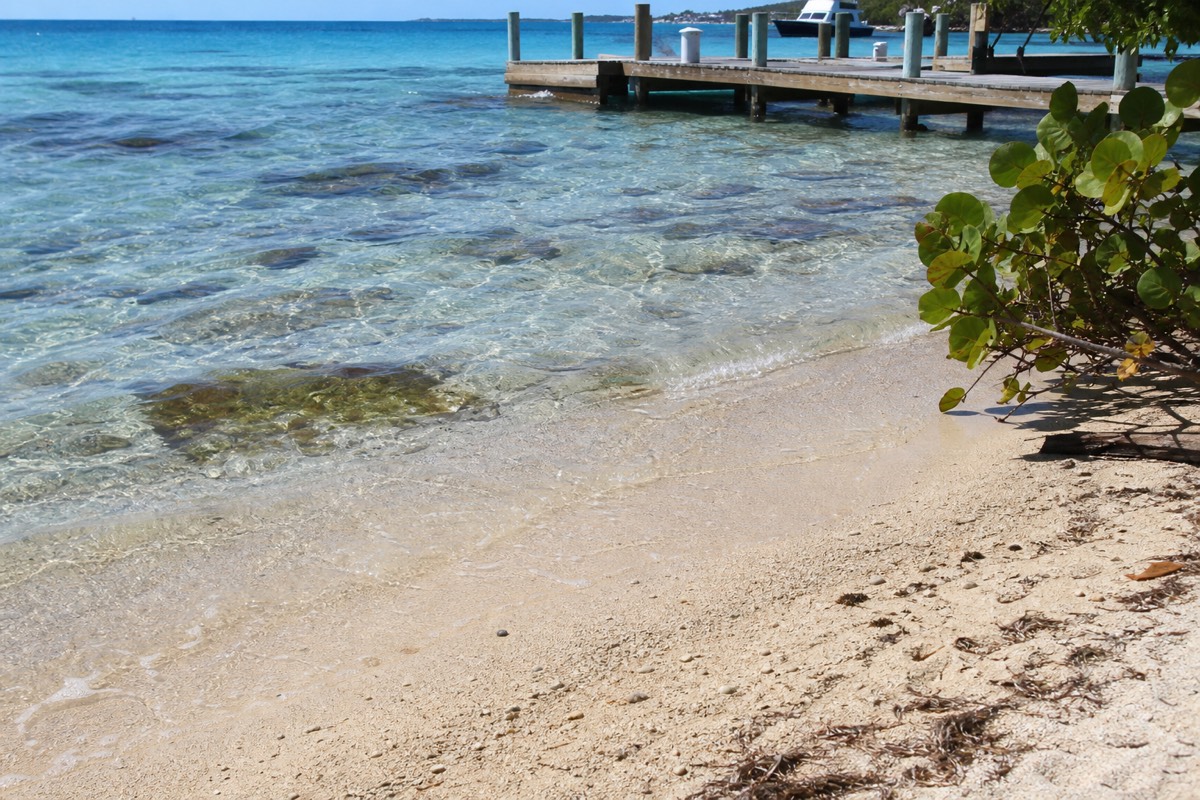
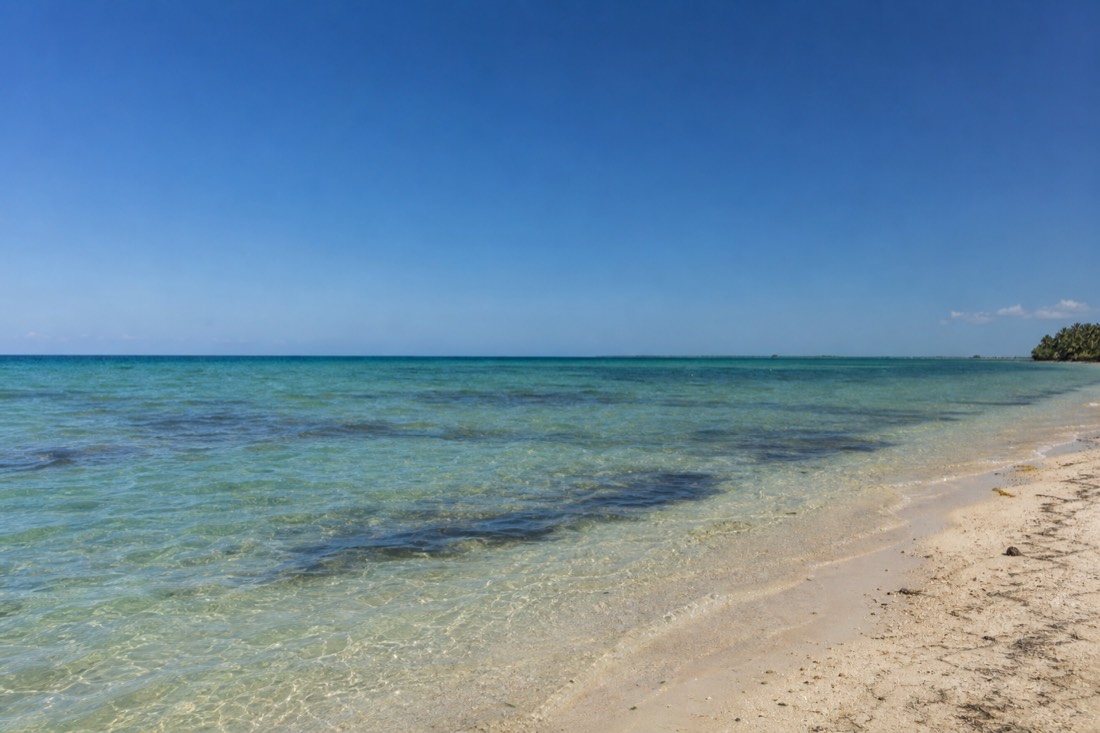
Yes in a handful of spots, and no at almost every site Belize is actually known for. The barrier reef runs roughly a mile off Ambergris Caye and Caye Caulker, and that mile is the whole issue. What lies between the beach and the reef crest is a shallow seagrass lagoon crossed by water taxis and tour boats: a decent place to meet a stingray, a poor place to find coral.
So the honest split looks like this. Walk off a dock with a mask and you will see something real. Turtle grass, juvenile fish, conch shells, maybe a southern stingray fanning sand. Hol Chan Marine Reserve, Shark Ray Alley and Mexico Rocks are a different proposition entirely, and all three need a boat to reach.
Where can you snorkel from shore in Belize?
Three realistic options: the seagrass flats and dock pilings off Caye Caulker and Ambergris Caye, the swimming channel at the Split on Caye Caulker, and the tiny reef-side islands such as Tobacco Caye and South Water Caye, where the barrier reef sits a short swim from the beach. Only the last of those puts you over serious coral.
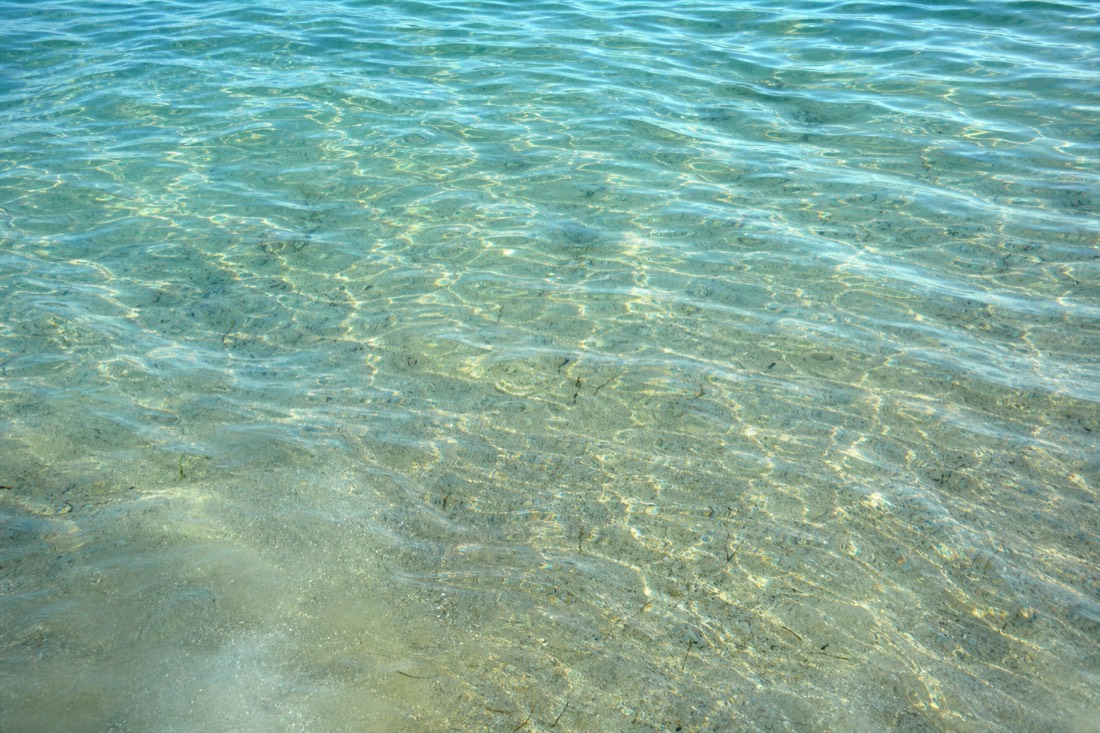
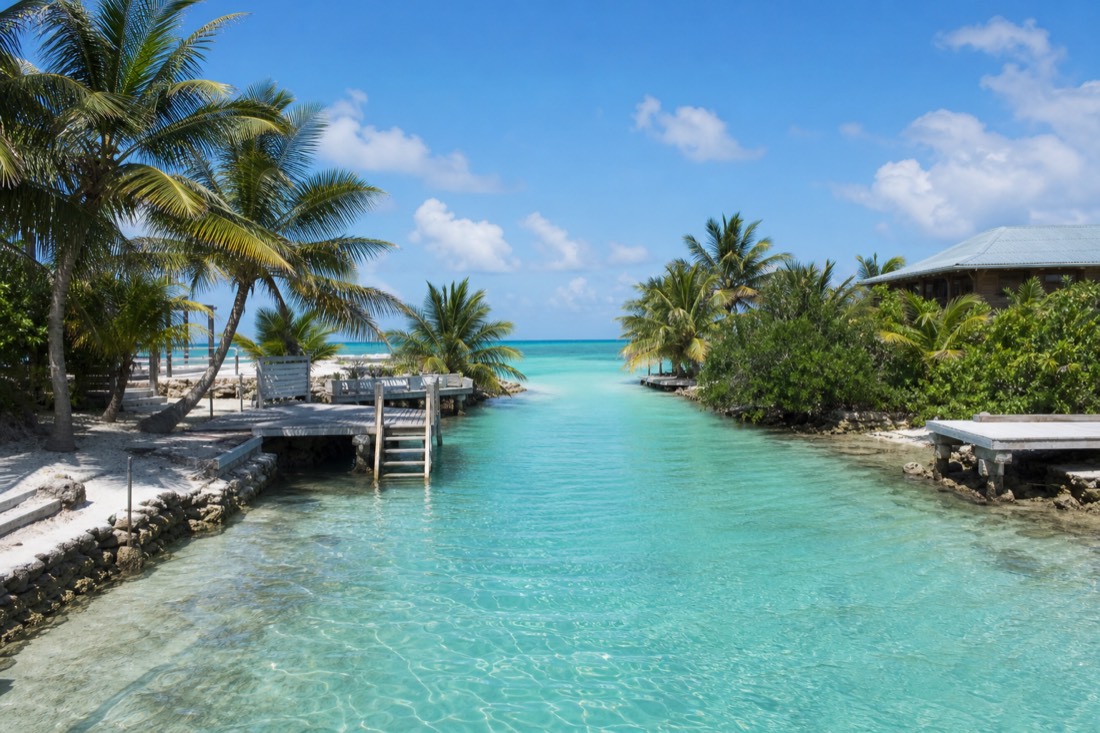
Caye Caulker is the easiest place to try. The island is small, the water off its eastern side is shallow and bathwater warm, and you can step off a dock and be over turtle grass within a few strokes. What lives there is quieter than the reef: small snapper and grunts around the pilings, upside-down jellyfish resting in the calm patches, sometimes a turtle grazing through. Worth an hour before breakfast. Not worth flying for. Our guide to snorkeling on Caye Caulker covers which docks are worth the walk.
The Split gets recommended constantly and it deserves a caveat. It is the narrow channel cutting Caye Caulker in two, and its appeal is the swimming, the bar and the sunset rather than anything on the bottom. Current pushes through that gap hard on a moving tide, enough to carry a relaxed swimmer further than they planned. Float there with a mask by all means. Just do not go expecting coral, and check which way the water is running before you jump in.
The genuinely good shore snorkeling in Belize is out on the specks of sand that sit on the reef itself. Tobacco Caye and South Water Caye are the names that come up, both inside the South Water Caye Marine Reserve off the southern coast, and on both the coral starts a short swim from the beach. The catch is unavoidable: you need a boat to reach the island in the first place, about half an hour out of Hopkins Village. That geography gets a fuller treatment in our guide to the reef off Placencia and Hopkins.
| Where you are based | Shore snorkeling | What you realistically see |
|---|---|---|
| Caye Caulker | Easy, off docks and the eastern shallows | Seagrass, small reef fish, rays, occasional turtle |
| San Pedro, Ambergris Caye | Possible off piers, boat traffic is heavier | Pilings, bait fish, sand flats, little coral |
| Tobacco Caye or South Water Caye | Genuinely good, reef within swimming distance | Live coral, reef fish, the barrier reef itself |
| Placencia or Hopkins | Not really, the reef is well offshore | Beach swimming, snorkeling happens on boat days |
For a beach-entry snorkeling day, confirm public access and the specific entry point locally. The offshore boat trips below are a separate option if you decide to visit the reef.
Which Belize snorkeling sites need a boat?
All the headline ones. Hol Chan Marine Reserve, Shark Ray Alley, Mexico Rocks, Coral Gardens and the outer atolls at Turneffe and Lighthouse Reef are boat-access only. Hol Chan and Shark Ray Alley sit a few miles south of San Pedro inside a patrolled reserve, entered with a licensed guide and an entrance fee rather than swum into from a beach.
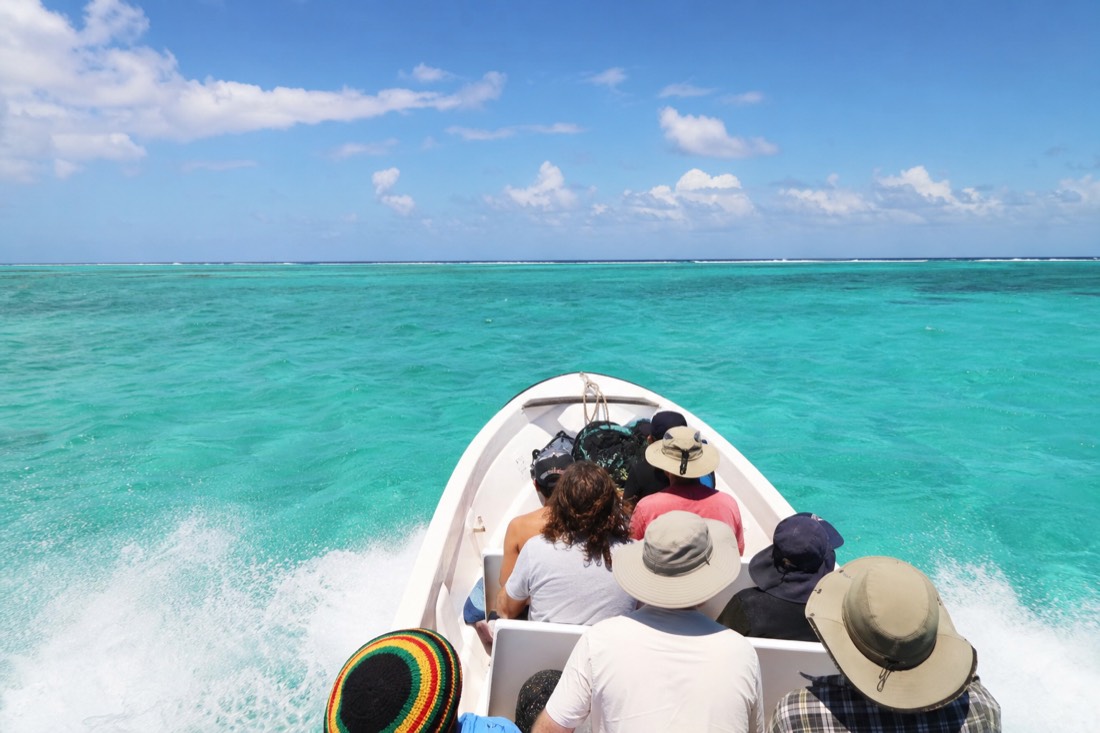
Hol Chan is a natural cut through the reef where the bottom drops away and current funnels fish through the channel in numbers. Boats tie to fixed moorings instead of dropping anchor, the reserve is patrolled, and there is a park fee of around $15 per person that day trips normally build into the price. The rules and the reserve boundaries are published by the Hol Chan Marine Reserve authority. Ten minutes on from the cut, Shark Ray Alley is where nurse sharks and southern stingrays gather in water shallow enough to stand in, a habit built over decades of fishermen cleaning their catch there. Neither is reachable on foot from anywhere.
Mexico Rocks, north of San Pedro, is shallow patch reef in a few metres of water and sounds like a swim from the beach until you look at a chart. It, too, is a boat stop. The same applies to the atolls, which are a long crossing rather than a day at the beach. The whole system is a UNESCO World Heritage site, and the protection is a fair part of why the fish are still stacked up in those channels. If you want the detail on the two signature stops before booking, our guide to Hol Chan and Shark Ray Alley walks through what each one involves.
Is shore snorkeling in Belize worth doing at all?
As a free hour between boat days, yes. As the plan for the whole trip, no. The guided reef sites carry far more coral, far bigger schools and the shark and ray encounters people book flights for, and a shared full-day trip runs roughly $110 to $125 with gear, marine park fees and lunch included.
Put the two side by side and the maths gets simple. A seven-stop reef day from Caye Caulker covers six hours and around $110 per person, gear and lunch and park fees included, and has been booked more than nine thousand times at a 4.7 rating. A four-stop day out of San Pedro runs eight hours at about $125 and adds a manatee search and free time on Caye Caulker. Prices shift with season and fuel, so check the live listing before budgeting.
Groups who want the boat to themselves can take a private charter out of Caye Caulker instead, which costs several times more and buys control of the route rather than better reef. For nervous swimmers the guided version also solves a problem the beach does not: a vest, a guide in the water and a boat two metres away. That side of it is covered in our look at whether Belize snorkeling suits beginners. If your window is even shorter, such as a single cruise port call, shore snorkeling alone is not worth burning the hours on; our guide for cruise passengers lays out what actually fits in the time you have.
What should you know before wading in on your own?
Boat traffic is the real hazard, not the wildlife. There are no lifeguards on the cayes, the lagoon is a working waterway for water taxis and tour skiffs, and a snorkeler at the surface is close to invisible from a moving boat. Tow a brightly coloured float, stay near docks rather than crossing open channels, and read the tide before swimming near the Split.
Bring your own mask if you can. Rental gear on the islands is fine for a boat day, when the guides check the fit, but a leaking mask ruins an unsupervised swim faster than anything else. A cheap snorkel vest is a sensible addition if you are not a confident swimmer, and reef-safe sunscreen or a rash guard keeps your back off the burn list, since floating face down under Caribbean sun does more damage than an afternoon on a lounger.
Then the reef manners, which apply from shore just as much as from a boat. Do not stand on coral, do not touch or chase anything, and give rays and turtles room to leave. Wind matters more than season for clarity in the lagoon, so a calm early morning will always beat a breezy afternoon. Belize Snorkeling Tours works with operators on both the northern cayes and the southern coast, and the pattern most people land on is simple: swim off the dock for free when the water is flat, and save the reef itself for the boat. For a wider sense of how the bases compare, start with our guide to San Pedro and Ambergris Caye.