Snorkeling in Ambergris Caye and San Pedro, Belize
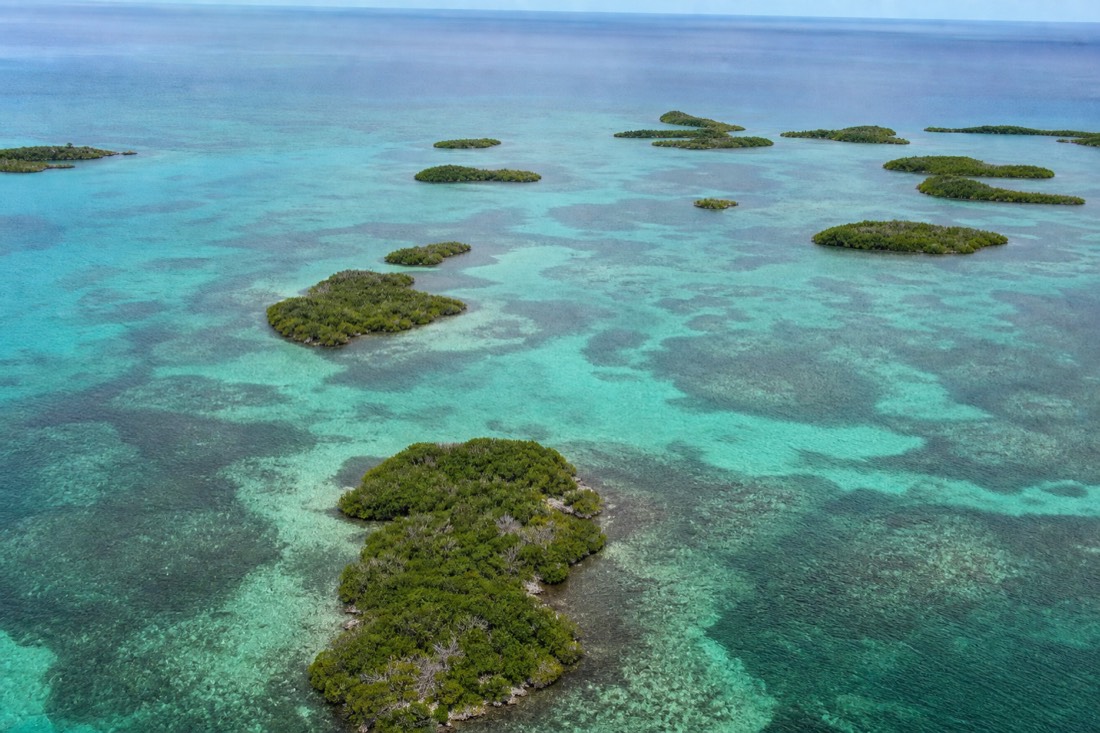
From a dock on the eastern shore you can see the reef without leaving the boards: a pale line of broken water sitting maybe a mile out, holding back the open Caribbean. Everything worth putting a mask on for in this part of Belize happens along that line, and almost everyone who comes here starts from the same small town.
Booking details checked 11 September 2026. Older price examples below are planning estimates, not current quotes. Use the provider for your date and full group total; sightings and weather are never guaranteed.
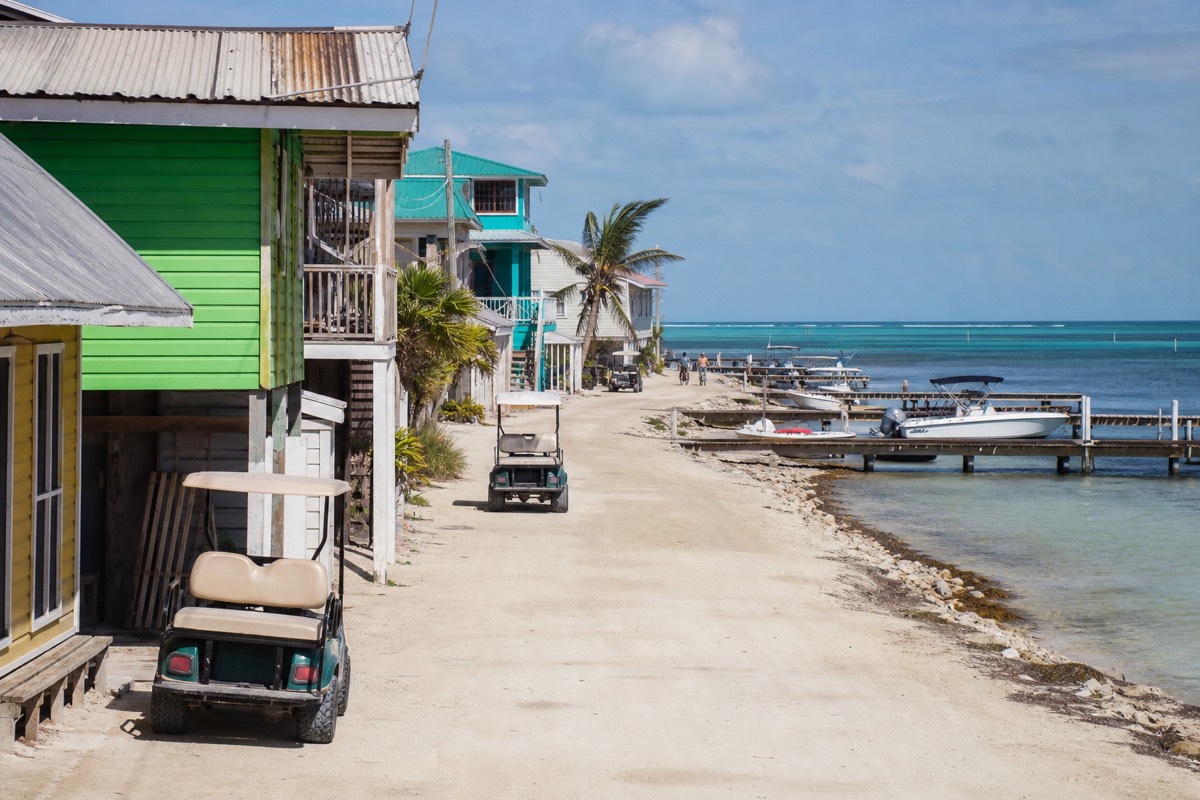
From a dock on the eastern shore you can see the reef without leaving the boards. A pale line of broken water sits out there holding back the open Caribbean, close enough that on a flat morning you can hear it. Everything worth putting a mask on for in northern Belize happens along that line, and it is the reason a fishing village turned into the busiest snorkeling base in the country.
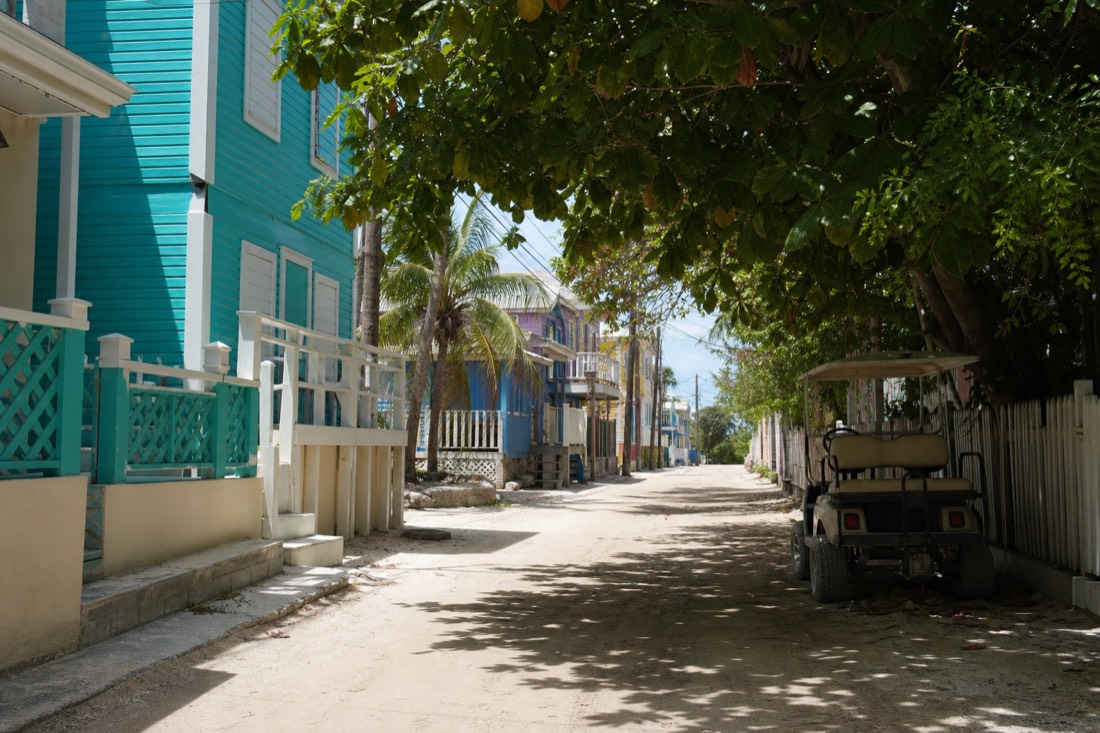
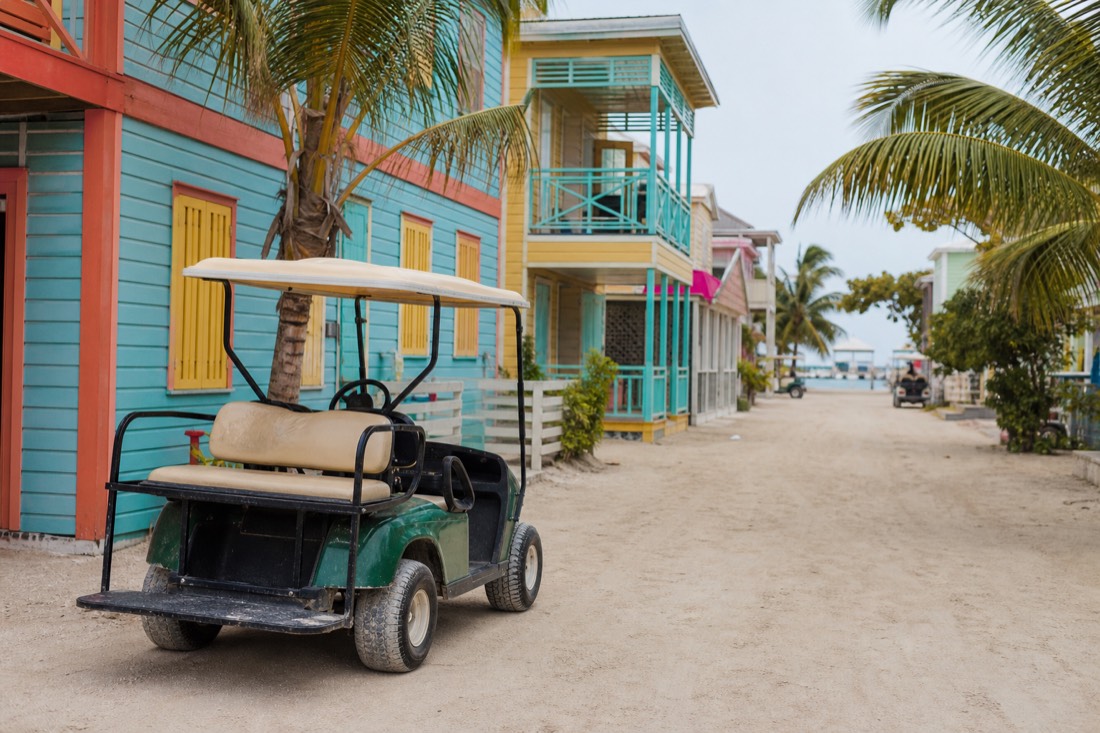
Ambergris Caye is the largest island in Belize, a long thin strip of sand and mangrove running about 25 miles north from the reserve at its southern tip, almost touching the Mexican coast at the far end. San Pedro Town sits near the southern third of it. Golf carts outnumber cars, the streets are three deep and sandy at the edges, and the working part of town faces the water because the water is the business.
This guide covers what a snorkeler needs from the island specifically: which sites the boats actually reach, how long each takes, how you get here from the mainland, what the shoreline does and does not offer, what a day costs, and how the island compares with its smaller neighbour as a place to sleep between boat trips.
Snorkeling out of San Pedro by the numbers
Ride times are working allowances drawn from the itineraries the operators we work with publish for their own departures, not survey figures, and they shift with sea state. Prices are a recent snapshot from the current listings of the tours featured on this site and move with season and group size, so check the live listing before you budget.
Why is Ambergris Caye the main base for snorkeling in Belize?
Three things stack up. The barrier reef runs about a mile off the eastern shore, the two most-visited stops in the country sit at the island's southern tip, and San Pedro launches more boats each morning than anywhere else in Belize. More departures means more times, more boat sizes and more competition on price than any other base offers.
Proximity is the part people underestimate until they are on the water. In plenty of Caribbean destinations the reef is an hour out and the day is built around the crossing. Here the ride to the nearest coral is measured in minutes, which changes the shape of a trip completely: boats fit four stops into a morning, crews can move you if a site is crowded, and a rough patch of weather costs you a stop rather than the whole day.
The second factor is that the good stuff is concentrated. The Hol Chan Marine Reserve and Shark Ray Alley pair sits at the southern end of the island, the shallow patch reef sits to the north of town, and both are inside a half hour of the same dock. One base covers the lot without a single hotel change.
The third is simply volume of operators. That is a mixed blessing. It gives you choice and keeps shared seats affordable, and it also means the famous stops get busy in the late morning when everybody converges. Working around that is mostly a matter of leaving early, which we come back to below.
| What San Pedro gives you | Why it matters to a snorkeler |
|---|---|
| Reef about a mile offshore | Short crossings, more stops per day, weather costs you less |
| The reserve at the island's southern tip | The headline sites are a day trip, not a relocation |
| The most departures of any base | Early boats, late boats and same-week availability |
| Both shared and private boats running daily | You can pick the crowd level rather than accept it |
| A working town with an airstrip | Arrive in the morning and be on the water the same day |
| Caye Caulker 35 to 45 minutes away | The neighbouring island becomes an afternoon, not a trip |
What are the best snorkeling spots reachable from San Pedro?
Six sites carry the island's reputation: the Hol Chan channel and Shark Ray Alley at the southern tip, Mexico Rocks and Coral Gardens as shallow alternatives, the North Channel for a manatee search, and the run down to Caye Caulker. All sit within about 45 minutes of the dock and most day trips string three or four of them together.
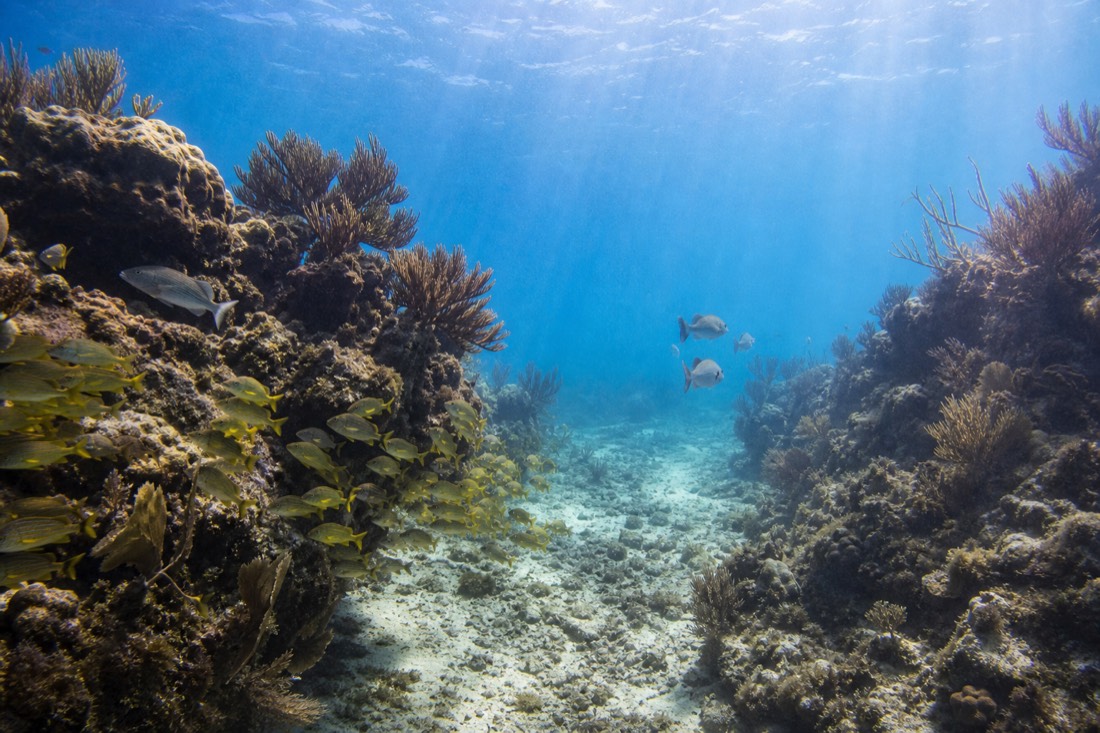
They are not interchangeable, and the mistake first-timers make is booking on stop count rather than stop type. A seven-stop day that never leaves shallow patch reef is a very different morning from a four-stop day built around the channel. The table below is the shape of what is on offer, drawn from the itineraries the operators we work with publish.
| Site | Direction from town | Depth | What it is for | Suits |
|---|---|---|---|---|
| Hol Chan cut | South, 20 to 25 min | Float above roughly 9 m | The reef channel, big fish in current | Confident swimmers |
| Shark Ray Alley | South, 25 to 30 min | Chest to head deep | Nurse sharks and southern stingrays at the boat | Everyone, including nervous swimmers |
| Mexico Rocks | North, 15 to 20 min | Waist to chest deep | Isolated coral heads, bright small fish, no current | Beginners and children |
| Coral Gardens | South, near the reserve | Shallow | Brain and elkhorn coral, loggerhead turtles | Anyone, an easy second swim |
| North Channel | North, 25 to 35 min | Boat-based search | Manatee spotting over seagrass | Wildlife-first travellers |
| Caye Caulker and the Split | South-west, 35 to 45 min | Swimming, not coral | Lunch, a village stop, a float in the channel | Full-day trips |
A couple of stops appear on itineraries under names you will not find on a map. The private day out of Ambergris Caye opens at a spot its crew calls the Conch Graveyard, a shell midden built up over generations of fishing, and several boats finish with tarpon feeding or a seahorse viewing near Caye Caulker. Those are genuine stops, just locally named ones.
Notice which direction each site sits in. Boats heading south for the reserve do not swing north to the patch reef, and boats working the north end do not reach the shark flat. If Mexico Rocks is the stop you want, and for families it often should be, confirm the route before you pay rather than after. Our ranking of the best snorkeling spots in Belize puts these six against the atolls and the southern cayes if you are still choosing a region.
How do you get to Ambergris Caye from Belize City?
Two options, and both are easy. A domestic flight covers Belize City to the San Pedro airstrip in roughly 15 to 20 minutes, with departures through the day from both the international and municipal airports. A water taxi runs the same route in around an hour and a half, usually calling at Caye Caulker on the way.
The flight is the one to take if you land late, if you are travelling with anyone who dislikes boats, or if the water is up. It is a small aircraft, the flight is short enough that the seatbelt sign is barely worth the effort, and the approach over the reef is the best aerial view of the barrier reef most visitors ever get without paying for a scenic flight.
The water taxi is cheaper, more sociable and slower, and it puts you on a dock in the middle of town rather than at an airstrip. It also has a failure mode worth knowing about: in choppy weather the ride can be genuinely uncomfortable, and the same northers that make the crossing rough are the ones that cancel snorkeling boats. If a departure looks marginal, that is a signal about the sea state, not just about your comfort.
| Route | Typical journey | Best for | The catch |
|---|---|---|---|
| Domestic flight from Belize City | Around 15 to 20 minutes | Late arrivals, tight connections, rough weather | Costs more, and baggage allowances are small |
| Water taxi from Belize City | Around 1.5 hours | Budget travel, arriving in the centre of town | Rough in a norther, and a fixed schedule |
| Water taxi via Caye Caulker | Around 45 min to the first stop | Splitting a stay across both islands | Seats fill on the popular sailings |
| Boat transfer as part of a tour | Varies by operator | Day trips that already cross between islands | Tied to the tour schedule, not yours |
Once you are on the island, transport stops being a question. San Pedro town is walkable from end to end, golf carts cover the hotel strips north and south, and a hand-pulled ferry crosses the river channel at the north edge of town. Snorkeling operators meet at a dock or a beachfront office, and both are usually a short walk or a five-minute cart ride from anywhere you are likely to be staying, which our notes on picking a Belize resort for snorkeling go into further.
Can you snorkel from the shore on Ambergris Caye?
You can get in the water anywhere, but shore snorkeling here is thin and it is honest to say so. The eastern shoreline is seagrass and sand inside the reef, cut by a long line of private docks and crossed by boat traffic. The coral is out at the crest, roughly a mile away, and swimming to it is neither safe nor legal in the boat channels.
What the shallows actually hold is worth knowing rather than dismissing. Turtle grass beds are nursery habitat, so you find small fish, conch, the occasional ray sitting on the sand and, if you are lucky and quiet, a turtle passing through. Around dock pilings the structure attracts more life than the open flat does. It is pleasant. It is not the reef, and nobody should build a Belize trip around it.
There is one practical reason to spend an hour in the shallows anyway: it is where you find out whether your mask leaks, whether the rental fins rub, and whether a nervous swimmer in your group is going to be fine. Doing that discovery in waist-deep water the afternoon before the boat day is a much better plan than doing it at the channel. Our piece on shore snorkeling in Belize goes through the handful of places where it genuinely works.
| Where you get in | What you find | Realistic verdict |
|---|---|---|
| Beach in front of a hotel | Seagrass, sand, small fish | A swim and a gear check, not snorkeling |
| Around dock pilings | Structure, juvenile fish, sometimes rays | Better than open flat, watch for boat traffic |
| Mangrove edges on the lagoon side | Nursery habitat, very calm water | Interesting if you like small things |
| The reef crest itself | The coral you came for | Boat access only, do not swim out |
| Secret Beach on the west side | Shallow protected water, bars and crowds | A day out, essentially no snorkeling |
A San Pedro boat tour is not shore access or permission to enter from a hotel dock. Keep a shore-only plan separate from these offshore excursions.
What does a snorkeling day from San Pedro cost?
Shared full-day boats from the island bases start around $110 to $125 per person with reserve fees, gear and lunch included. A private charter for a group runs from around $675 for the boat. Both figures come off the operators' current listings and move with season and group size, so read them as a starting point.
The arithmetic that matters is the crossover point. A shared seat is the obvious choice for one or two people. Once you are four or more, and particularly if you have a nervous swimmer or a child who will want to get out early, a private boat stops looking extravagant: you set the running order, you skip the crowded window at the shark flat, and the crew's attention is on your group rather than split across twenty.
| Trip | Base | Length | Listed from | Shape of the day |
|---|---|---|---|---|
| San Pedro 4 stop tour with sharks and lunch | San Pedro | 8 hours | $125 per person | Reserve, coral gardens, manatee search, second island |
| Caye Caulker 7 stop snorkeling tour | Caye Caulker | 6 hours | $110 per person | Reserve, shipwreck, seahorse stop, tight schedule |
| Private Hol Chan and Shark Ray Alley tour | San Pedro, Ambergris Caye | 7 hours | $675 for the boat | Built around what your group asks for |
| Caye Caulker private full-day Hol Chan tour | Caye Caulker | 6 hours | $825, up to 8 guests | Reserve plus lunch in San Pedro town |
What is bundled matters as much as the headline number. All four listings above include the marine reserve fees, the snorkel gear and food of some kind, which is the norm on this stretch of coast rather than a bonus. A ticket that undercuts them noticeably is usually missing one of those three, and the reserve fee is the most common omission. The eight-hour four-stop day out of San Pedro is the broadest shared option from this island, and the private Hol Chan charter from Ambergris Caye is the one to price up if your group is large enough to fill it.
What is San Pedro town actually like between boat trips?
Small, busy and built along three sandy parallel streets facing the sea. San Pedro is a working town first and a resort second, with fishing boats, a school, a church and hardware shops mixed in among the dive shops and restaurants. Golf carts handle almost all traffic, and you can walk the central grid in twenty minutes.
The character changes as you move away from the middle. The town core is dense and loud in a friendly way, with beachfront bars, street food and the water taxi dock in the thick of it. North of the bridge the strip thins out into resorts and quieter beach, reachable by cart along a single road that gets sandier as it goes. South of town is a mix of condominiums and long-stay rentals, closer to the airstrip and to the boats heading for the reserve.
None of this changes what the snorkeling is like, but it changes what the other twenty hours of your day are like, and that is what people actually choose a base on. If you want to walk to dinner and have twelve options, stay central. If you want to hear nothing but wind at night, go north and accept the cart ride.
What San Pedro is not is a beach destination in the sun-lounger sense. The shoreline is a working waterfront with docks, boats and seagrass, and travellers arriving expecting a wide swimming beach are the ones who leave disappointed. The reef is the product here. Our honest answer to whether snorkeling in Belize is worth it takes that trade-off head on.
Should you base yourself on Ambergris Caye or Caye Caulker?
The water is identical, so the choice is about the town rather than the reef. San Pedro gives you more departures, more restaurants and more choice of boat. Caye Caulker is smaller, cheaper and slower, with fewer daily options and a slightly longer run down to the marine reserve.
Both islands sit behind the same barrier reef, listed since 1996 as part of a UNESCO World Heritage site, and both send boats to the same reserve zones under the same Belize Fisheries Department rules. Any claim that one island has better snorkeling than the other is about the boat you booked, not the geography.
| Consideration | Ambergris Caye and San Pedro | Caye Caulker |
|---|---|---|
| Ride to the marine reserve | 20 to 30 minutes | Around 45 minutes |
| Daily snorkeling departures | The most of any base in Belize | Fewer, so book a day or two ahead |
| Cost of a stay | Wide range, tops out high | Generally cheaper across the board |
| Getting there | Flight or water taxi | Water taxi, or a short flight |
| Getting around | Golf carts, a long island road | On foot, the island is tiny |
| Evening options | Dozens of restaurants and bars | A handful, and they close early |
| Its own swimming spot | Docks and shallow flats | The Split, a channel through the island |
Plenty of visitors split the difference and stay on both, which the water taxi route makes simple since it calls at Caye Caulker on the way. A third option is to base on Ambergris Caye and let a full-day boat deliver you to the neighbour for lunch, which is exactly what the longer shared trips do. Our companion guide to snorkeling out of Caye Caulker argues the other side of this properly, and the seven-stop day from Caye Caulker shows what a departure from that side of the channel looks like.
When should you book, and how far ahead?
Book the boat for early in your stay and go early in the day. Leaving the snorkeling until your last morning means a cancelled departure ends the trip with nothing, and an eight o'clock start usually reaches the shark flat before the late-morning convergence of boats from both islands and the cruise port.
Weather is the variable that decides both. The drier stretch from February through May brings the calmest water and the clearest visibility of the year. Northers between November and January bring choppy days that cluster, so a cancellation often means two or three lost days rather than one. Late summer into autumn carries the real storm risk. None of that makes any month unbookable, it just changes how much slack you should leave, and our month-by-month look at the best time to snorkel Belize lays out the trade-offs against price and crowds.
Two other timing notes specific to this island. Cruise days push extra bodies onto the same reserve stops from mid-morning, and if a ship is in you will feel it at the shark flat rather than at the channel, which is why the arrival schedule is worth a glance and why how cruise snorkeling excursions work in Belize is useful even if you are not on a ship. And Belize sits at Level 2 on the US State Department advisory scale, the same tier as much of western Europe, with a separate higher rating for one district of Belize City that a flight or water taxi transfer passes nowhere near.
The six trips featured on Belize Snorkeling Tours all leave from these bases or the southern coast, and the operators running them publish real availability, so the practical answer to how far ahead to book is: far enough that a weather day does not cost you the reef, and no further.