Best Time to Visit Belize for Snorkeling (2026)
There is a morning in late March when the sea off the cayes goes the colour of cheap glass and stays that way until lunch. There is also a morning in October when the same water is the colour of tea and the boats do not go out at all. Belize has a genuinely best season for snorkeling, and the gap between it and the worst one is wider than most people expect.
Booking details checked 11 September 2026. Older price examples below are planning estimates, not current quotes. Use the provider for your date and full group total; sightings and weather are never guaranteed.
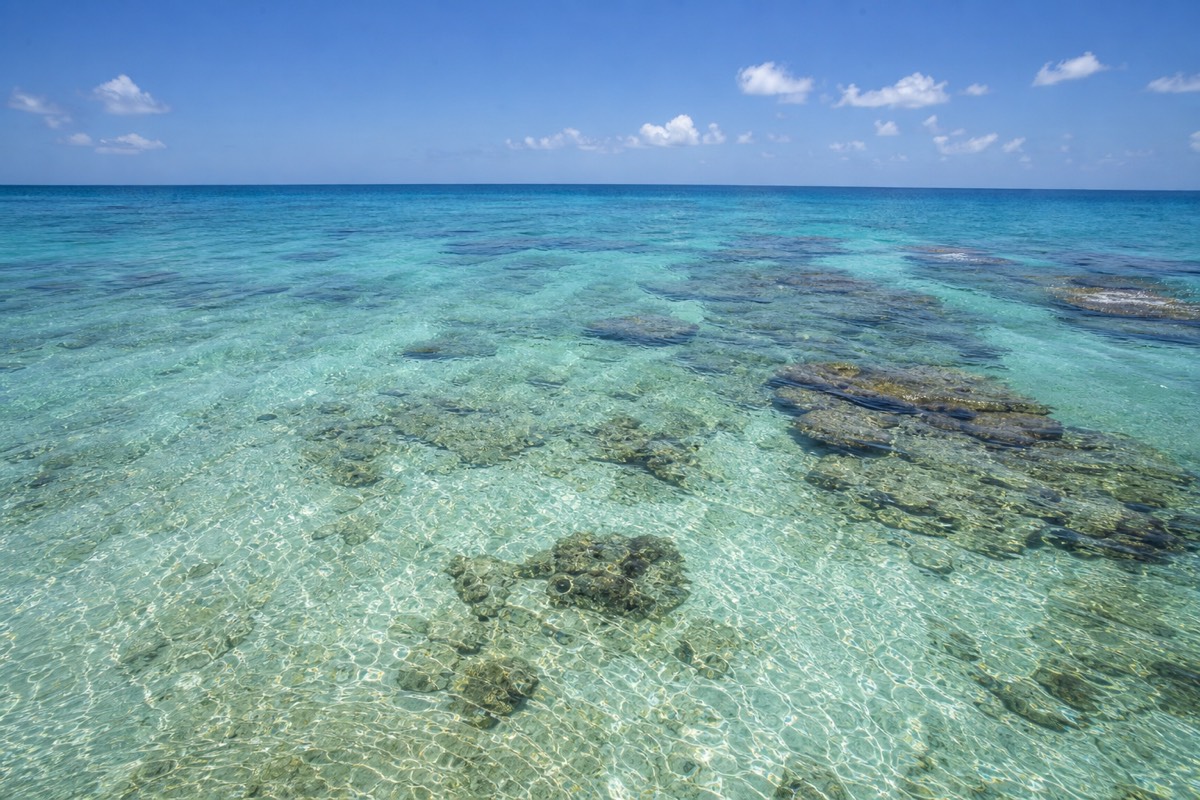
Belize sells itself as a year-round destination and, strictly speaking, that is true. The water never gets cold, the reef never closes, and somebody is snorkeling on any given day of the year. What changes is the odds. Some months hand you flat water and thirty metres of visibility with no effort at all. Others hand you a cancelled boat, a beach buried in weed, or a week of grey rain that turns the inshore water to soup. Knowing which is which is most of the work of planning a good trip, and it is also part of why we think Belize compares well against Costa Rica for snorkeling specifically, since the dry-season window here is longer and more predictable.
Snorkeling Belize through the 2026 calendar
Season windows follow Belize's long-run climate pattern and the official hurricane season dates rather than a forecast for any single year. The full-moon dates are astronomical and exact; the whale-shark gatherings around them are wild behaviour and never guaranteed.
When is the best time to snorkel in Belize?
Late February through May is the strongest window. The dry season has taken hold, the winter cold fronts have mostly finished stirring up the sea, river runoff has dropped so visibility over the Belize Barrier Reef is at its clearest, and the whale-shark season in the south overlaps the tail of it. April is the single best month.
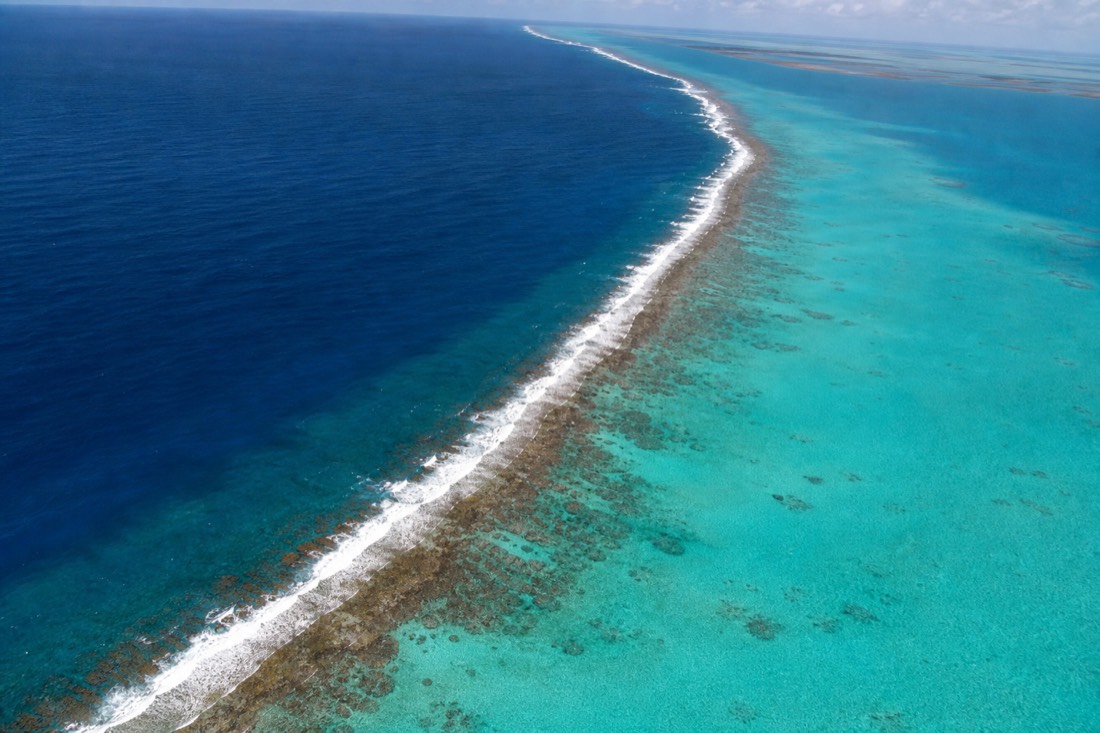
That window works because three separate things line up. Rainfall drops off sharply from around February, which matters more than people realise: it is freshwater runoff carrying sediment off the mainland, not the sea itself, that clouds inshore water. The trade winds settle into a steadier, gentler pattern after the winter fronts pass. And the sun angle gets high enough that even a moderate depth lights up properly, which is what makes coral look like the photographs instead of like grey rubble.
May is the quiet standout for a lot of visitors. Peak season crowds have thinned, prices soften, conditions are still excellent, and the whale-shark window is still open in the south. The trade-off is heat and the first hint of the rains. If you want the reef at its best with fewer boats on it, that is where to look. For the sites themselves, our ranking of the country's best snorkel spots covers what each one actually delivers.
| Month | Water clarity | Sea state | Sargassum risk | Crowds | The honest note |
|---|---|---|---|---|---|
| January | Good | Choppy, front-prone | Low | High | Cold fronts can cancel days at a time. Warm air, busy islands. |
| February | Good to very good | Improving | Low | High | The season turns partway through. Late February is already strong. |
| March | Very good | Settling | Low to moderate | High | Whale-shark season opens in the south. Spring break weeks are busy. |
| April | Excellent | Calm | Moderate | High, easing late | The best all-round month of the year for snorkeling. |
| May | Excellent | Calm | Moderate to high | Moderate | Great conditions, thinner crowds, hot. The value pick. |
| June | Good | Calm to moderate | High | Low | Rains begin, hurricane season opens, whale-shark window closes. |
| July | Good | Moderate | High | Moderate | Often a drier break within the wet season. Family travel season. |
| August | Fair to good | Moderate | Moderate to high | Moderate | Storm risk climbs through the month. Still plenty of good days. |
| September | Fair | Unsettled | Moderate | Very low | The weakest month. Peak storm risk, many caye businesses close. |
| October | Fair | Unsettled | Low to moderate | Very low | Wettest stretch of the year. Cheap, quiet, genuinely a gamble. |
| November | Good | Improving | Low | Low, rising late | Season ends 30 November and conditions recover fast after it. |
| December | Good | Fronts return | Low | Very high late | Fine early, then Christmas fills every boat on the reef. |
Read that grid as a set of probabilities rather than a forecast. Belize delivers beautiful snorkeling days in October and disappointing ones in April. The table tells you which way to bet, not what will happen.
What actually makes the dry season better on the reef?
Runoff. Hol Chan Marine Reserve and the other protected sites sit close enough to the mainland that heavy rain reaches them as a plume of sediment off the rivers. In the dry months that plume shrinks, visibility climbs, and the same coral head that looked grey in October reads in full colour.
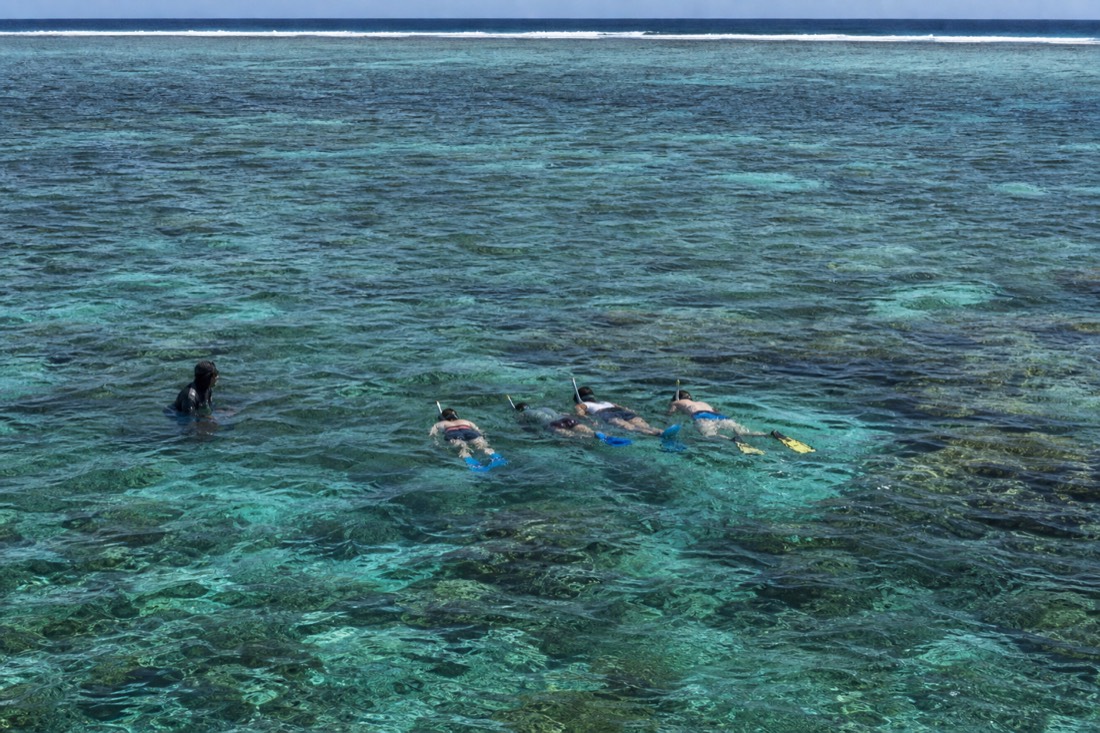
This is why the seasonal effect is uneven across the country. Sites off Ambergris Caye and Caye Caulker sit behind a wide, shallow shelf and recover from rain quickly. Sites in the south, closer to the mouths of real rivers coming off the Maya Mountains, feel it harder and for longer. The outer atolls, furthest from any land, are the least affected of all and hold clear water even when the coast does not.
The second dry-season effect is wind. Less wind means less surface chop, which matters twice over: it makes the boat ride civilised, and it stops the surface from scattering the light that makes shallow reef look the way it does in photographs. Snorkelers feel wind far more than divers do, because everything you came to see is in the top five metres. If you want the structural picture of what you are floating over, how the barrier reef is put together explains why some sections stay clear while others cloud.
| Region | How fast it clears after rain | Best window | Why |
|---|---|---|---|
| Northern cayes, Ambergris and Caulker | 1 to 2 days | February to May | Wide shallow shelf, no major river mouths nearby |
| Southern cayes, Placencia and Hopkins | 3 to 5 days | March to May | Real rivers off the Maya Mountains discharge here |
| Turneffe Atoll | Barely affected | February to June | Far offshore, surrounded by deep water |
| Lighthouse Reef and the outer atolls | Barely affected | February to June | Outermost atoll, clearest water in the country |
When is whale shark season in Belize?
Whale sharks gather off southern Belize between roughly March and June, concentrated in the days around each full moon when snapper spawn in huge numbers and the sharks come in to feed. In 2026 the relevant full moons fall on 3 March, 1 April, 1 May, 31 May and 29 June. No sighting is ever guaranteed.
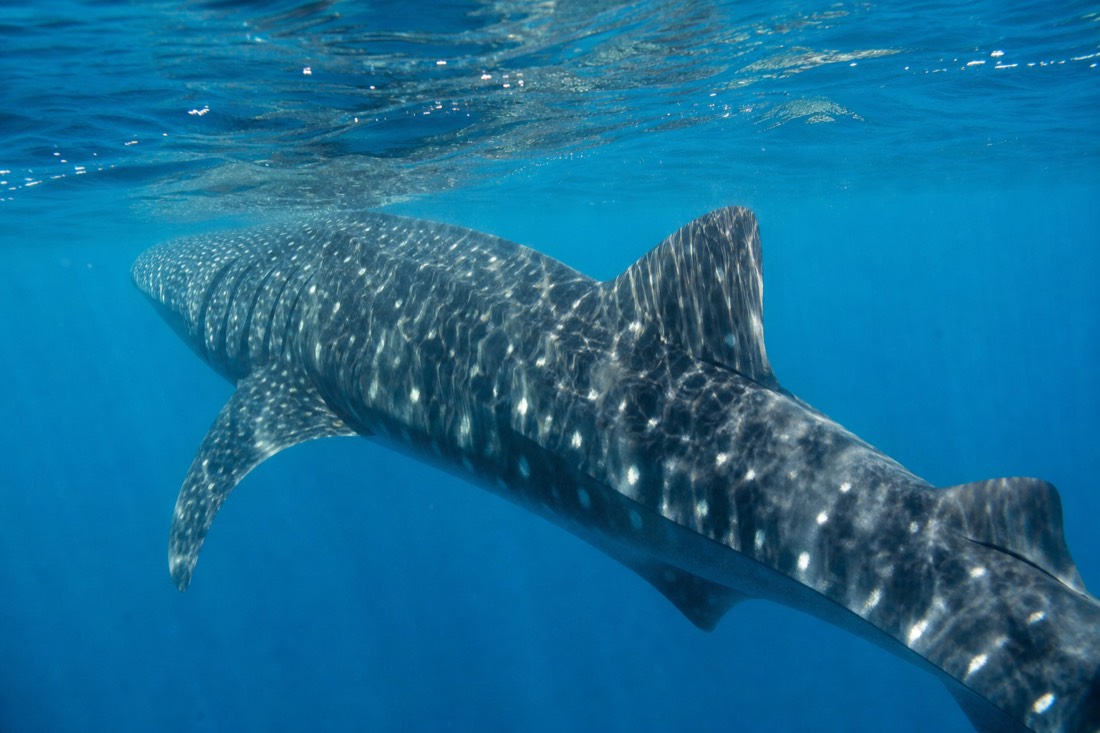
The gathering happens at Gladden Spit, part of the Gladden Spit and Silk Cayes Marine Reserve, about 22 miles off the coast. The mechanism is worth understanding because it explains why the calendar is so specific: several species of snapper aggregate to spawn on the reef promontory around the full moon, releasing clouds of eggs, and whale sharks arrive for the eggs rather than for the tourists. When the spawning is thin, the sharks do not show. Some seasons are excellent. Some are quiet. Operators who tell you otherwise are selling something.
Practically, the window is usually described as running from a few days before each full moon to around ten days after, and trips run out of Placencia rather than the northern cayes. If this is the trip you are building a holiday around, read our honest assessment of snorkeling with whale sharks in Belize first, because the encounter is deeper, further offshore and considerably more demanding than a reef stop.
| 2026 full moon | Approximate gathering window | Season position |
|---|---|---|
| 3 March | Late February to mid-March | Season opens, often the quietest of the five |
| 1 April | Late March to mid-April | Strong, and coincides with the best reef conditions |
| 1 May | Late April to mid-May | Traditionally among the most active windows |
| 31 May | Late May to mid-June | Still strong, hotter, fewer visitors |
| 29 June | Late June to early July | Season tail, overlapping the start of the rains |
The full-moon dates are astronomy and they are exact. Everything else in that table is a pattern, not a promise. If the whale sharks are the whole point of the trip, book the middle windows, give yourself several days rather than one shot, and treat a sighting as the upside rather than the plan.
A spring month does not turn a general reef tour into a whale-shark excursion. No dedicated Gladden Spit product is verified in this shortlist.
How bad is sargassum season, and does it affect snorkeling?
Sargassum is a shoreline problem, not usually a reef problem. The drifting mats pile up on windward beaches from around April through August, worst in May and June in a heavy year, while the snorkel sites sit a mile or more offshore where boats work around them. It changes where you swim from the sand, rarely where you snorkel from a boat.
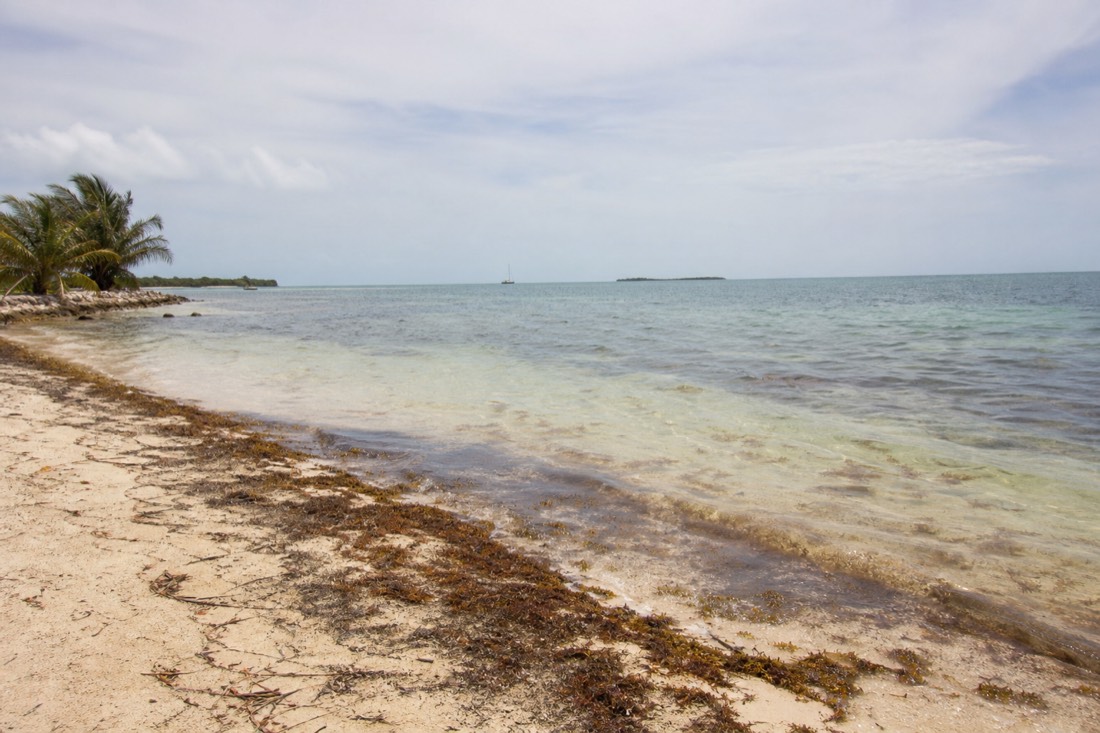
The seaweed is a genuine Caribbean-wide nuisance and the volume varies enormously year to year, which is why nobody can tell you in January what June will look like. What is consistent is the geography: east-facing beaches catch it, leeward shores mostly do not, and the further offshore you go the less it matters. Belize also has an advantage over some of its neighbours here, because the two main island bases put you on a boat to the reef rather than wading in from the beach.
If beach time matters as much as reef time, the practical moves are to check recent photos before you commit, choose accommodation on a sheltered side, and plan your water days around boat trips. Our team has watched guests write off a week over a beach that cleared in three days. It drifts. It also leaves. Working the boat schedule around it is far more effective than trying to outguess it a season ahead.
| Period | Typical shoreline load | Effect on a boat-based snorkel day |
|---|---|---|
| December to February | Low | None |
| March | Low, building | None |
| April | Moderate | Minimal, occasional surface mats on the crossing |
| May to June | Highest in a heavy year | Captains reroute around mats, sites unaffected |
| July to August | Moderate to high | Same, plus more beach cleanup on the islands |
| September to November | Declining | None |
Does hurricane season rule out a snorkeling trip?
No, but it changes the odds and it should change how you book. The Atlantic hurricane season runs 1 June to 30 November, with activity statistically concentrated between mid-August and mid-October. Most days in that stretch are perfectly good. The risk is not a direct hit, it is a week of unsettled weather that cancels boats.
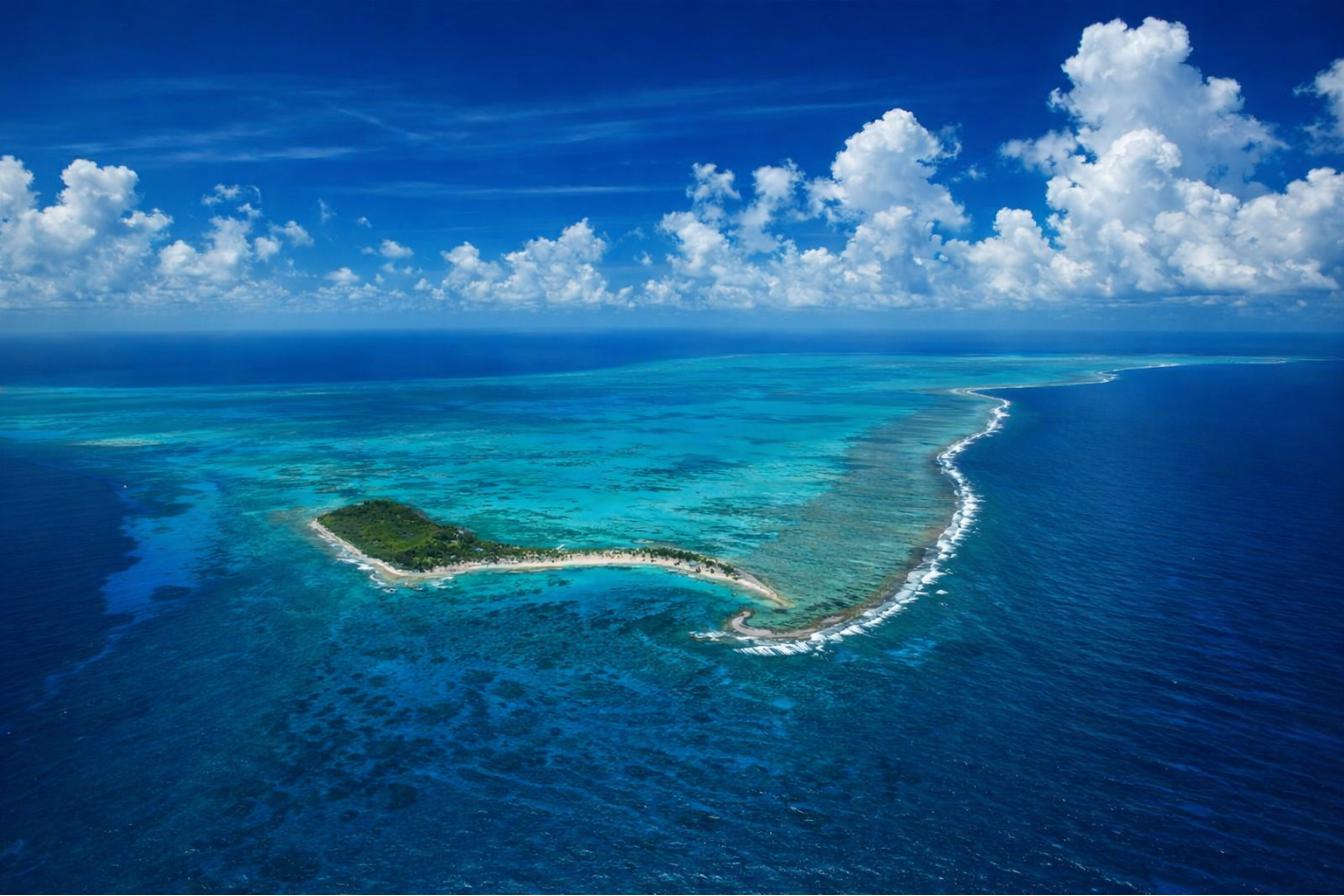
Direct strikes on Belize are rare in any given year. What is common through the wet months is a system passing somewhere in the basin and pushing swell, wind and cloud across the region for several days without ever making landfall. That is what stops the boats. A snorkel operator running small craft to the reef needs a workable sea state, and they will cancel rather than take you out in a bad one, which is exactly what you want them to do.
The sensible response is structural. Travel in the shoulders of the season rather than its peak, book snorkeling early in your trip so a cancellation has somewhere to go, and read the cancellation terms on the listing before you pay rather than after. Every trip featured here publishes its own terms and they differ.
| Phase | Dates | Practical risk to a snorkel day |
|---|---|---|
| Season opens | 1 June to mid-July | Low. Rains begin but storm activity is usually light. |
| Ramp-up | Mid-July to mid-August | Moderate. Systems start forming, most days still fine. |
| Statistical peak | Mid-August to mid-October | Highest. Expect the possibility of multi-day disruption. |
| Wind-down | Mid-October to 30 November | Falling quickly. Late November is often excellent and empty. |
| Outside the season | 1 December to 31 May | No tropical risk. Winter fronts replace it until about February. |
What makes the water rough in winter if there are no storms?
Cold fronts. From roughly December through February, fronts pushing down off North America reach Belize as strong northerly winds locally called northers. They bring a few days of grey, wind and surface chop at a time, and they are the main reason a January snorkel trip gets cancelled even in perfect hurricane-free weather.
A norther typically blows itself out in two to four days and the water settles fast afterwards. The frustration is timing: if you have booked one snorkel day inside a five-day holiday and the front lands on it, you have no second chance. Visitors who travel in the winter months and keep two possible snorkel days in the plan almost always get out. Visitors who booked one and hoped sometimes do not.
Sea state matters more to snorkelers than to almost anyone else on the water. Chop makes the boat ride uncomfortable, it makes clearing a snorkel harder, and it scatters the light that gives shallow reef its colour. A calm day at an average site beats a rough day at a famous one, every time. Basing a trip on Caye Caulker gives you the flexibility to take whichever day looks best rather than the day your itinerary assigned you.
| Condition driver | When | What it does to a snorkel day |
|---|---|---|
| Northern cold fronts | December to February | Two to four days of wind and chop, frequent cancellations |
| Steady trade winds | Most of the year | Manageable, captains pick sheltered sites |
| River runoff after heavy rain | June to November | Cuts inshore visibility, worst in the south |
| Tropical systems in the basin | June to November | Swell and cancellations even without landfall |
| Flat spring conditions | March to May | The best combination of calm, clarity and light |
When is Belize busiest, and when is it cheapest?
Peak season runs from mid-December to April, with Christmas, New Year and Easter as the sharpest points. Low season is September and October, when many caye businesses close entirely. May and November are the two shoulder months where conditions stay good and the pressure comes off.
What actually changes with season is availability more than headline price. The trips featured on this site publish a starting price per person, and those are a floor that moves with season and group size, so check the live listing rather than trusting a number in an article. The eight-hour San Pedro reef day starts around $125 per person and the six-hour Caye Caulker run starts around $110, while a private charter is a whole-boat product priced differently again. What changes in February is whether there is a seat left on the boat you wanted.
That is the practical argument for the shoulders. In May or November you can decide on Tuesday to go snorkeling on Wednesday. In late December you cannot, and the popular departures on both islands sell out well ahead. Belize Snorkeling Tours works with operators running small boats, several capped at eight to ten guests, and small boats fill fastest of all. Where you are staying matters here too, since a base a short walk from the dock lets you grab a last-minute seat that someone booked further out cannot; our guide to picking a base for snorkeling covers that trade-off.
| Period | Demand | What it means in practice |
|---|---|---|
| Mid-December to early January | Highest of the year | Book weeks ahead. Conditions good, islands full. |
| January to March | High | Steady demand, spring break weeks spike. |
| Easter week | Very high | Domestic and regional travel adds to it. Book early. |
| April to May | High, easing | Best conditions of the year, pressure falls through May. |
| June to August | Moderate | Family travel season, availability generally easy. |
| September to October | Lowest | Cheapest and quietest, and many places simply shut. |
| November | Low, rising late | Underrated. Conditions recover, crowds have not arrived. |
Which month suits which kind of snorkeling trip?
Match the month to the trip rather than looking for one perfect week. The northern cayes are strongest February through May, the southern cayes and the outer atolls want March through June, whale sharks need the March to June full moons, and anyone chasing empty water should look hard at late November.
The northern cayes are the default and the most forgiving. Sites off Ambergris Caye and Caye Caulker sit close in, recover fast from rain, and are reachable on short crossings even when conditions are middling, which is why the eight-hour four-stop day out of San Pedro and the seven-stop boat from Caye Caulker run reliably across most of the year.
The south is a different calculation. Trips from Hopkins and Placencia cross more open water and sit closer to the rivers, so they reward the settled months more sharply. The island-hopping day out of Hopkins into South Water Caye Marine Reserve is a genuinely good trip in April and a coin flip in October. Our guide to snorkeling the southern coast goes through that region properly.
| Trip type | Best window | Why |
|---|---|---|
| Northern cayes reef day | February to May | Short crossings, fast recovery after rain, calm spring seas |
| Southern cayes and island hopping | March to June | Open-water crossings need settled conditions |
| Whale sharks off the south | March to June full moons | Snapper spawning drives the whole event |
| Outer atolls and Lighthouse Reef | February to June | Long crossings, and the clearest water in the country |
| Bird and wildlife add-ons | December to May | Nesting seasons at the outer caye reserves |
| Quiet water and low prices | Late November, early December | Storm season over, peak crowds not yet arrived |
The outer atolls deserve a note of their own. Half Moon Caye Natural Monument on Lighthouse Reef holds a red-footed booby colony alongside some of the country's clearest water, and it is a long day from anywhere. That is exactly the kind of trip that wants a settled-weather month rather than a hopeful one.
What is genuinely the worst time to snorkel in Belize?
The last week of September through mid-October. That stretch combines the statistical peak of hurricane season, the heaviest rainfall of the year, reduced visibility from runoff, and the widest seasonal closures on the cayes. Snorkeling still happens, but the chance of losing days to weather is at its highest.
It is also, predictably, the cheapest and emptiest time to be there, and some travellers take that trade knowingly. If you do, go in with the right expectations: build a flexible itinerary, do not book non-refundable anything, check what is actually open on the island you have chosen, and treat any good snorkel day as a bonus rather than an entitlement.
The nuance most seasonal guides miss is that the worst month for conditions is not the worst month for value. Reef life does not go anywhere. The animals people come to see, the sea turtles, the rays, the schooling fish over the coral gardens, are there in October exactly as they are in April. What you are gambling is your access, not the reef. Whether that gamble is worth taking depends on how much of your trip is built around the water, which is the question our honest take on whether Belize snorkeling is worth it works through.
No paid trip can make an unsuitable marine forecast acceptable. Keep a spare day and follow the operator’s weather decision.
How do you protect a trip booked in a risky month?
Book the snorkel day early in your stay, keep a spare day behind it, read the cancellation window on the listing before paying, and pick operators with flexible terms. Weather cancellations in Belize are handled well by the operators we work with, but only if your own schedule has room to reschedule into.
The single highest-value habit is the spare day. A trip with one snorkel day booked on the final morning has no recovery path. The same trip with the snorkel day on day two and a free day on day four almost always gets out on the water. That costs nothing to arrange and it is the difference between a trip that worked and a trip that did not.
Beyond that, the usual sense applies. Check the terms on each listing, because they are not identical across operators. Note that several trips fold all marine park and reserve fees into the ticket, which removes a payment problem on a day already going sideways. Pack for a boat day rather than a beach day, since a wet, windy crossing is a different proposition from a calm one, and the first-timer's gear checklist covers what actually matters. For what you get in the water once you are out there, the Hol Chan and Shark Ray Alley guide is the place to start, and the whole reef system carries a World Heritage listing dating to 1996 that explains why it is in the condition it is.