Snorkeling the Belize Barrier Reef: A Complete Guide
One reef line runs the whole length of Belize, a few hundred yards from where most visitors sleep. Knowing which piece of it you are looking at, and which boat gets you there, is most of the planning work done.
Booking details checked 11 September 2026. Older price examples below are planning estimates, not current quotes. Use the provider for your date and full group total; sightings and weather are never guaranteed.
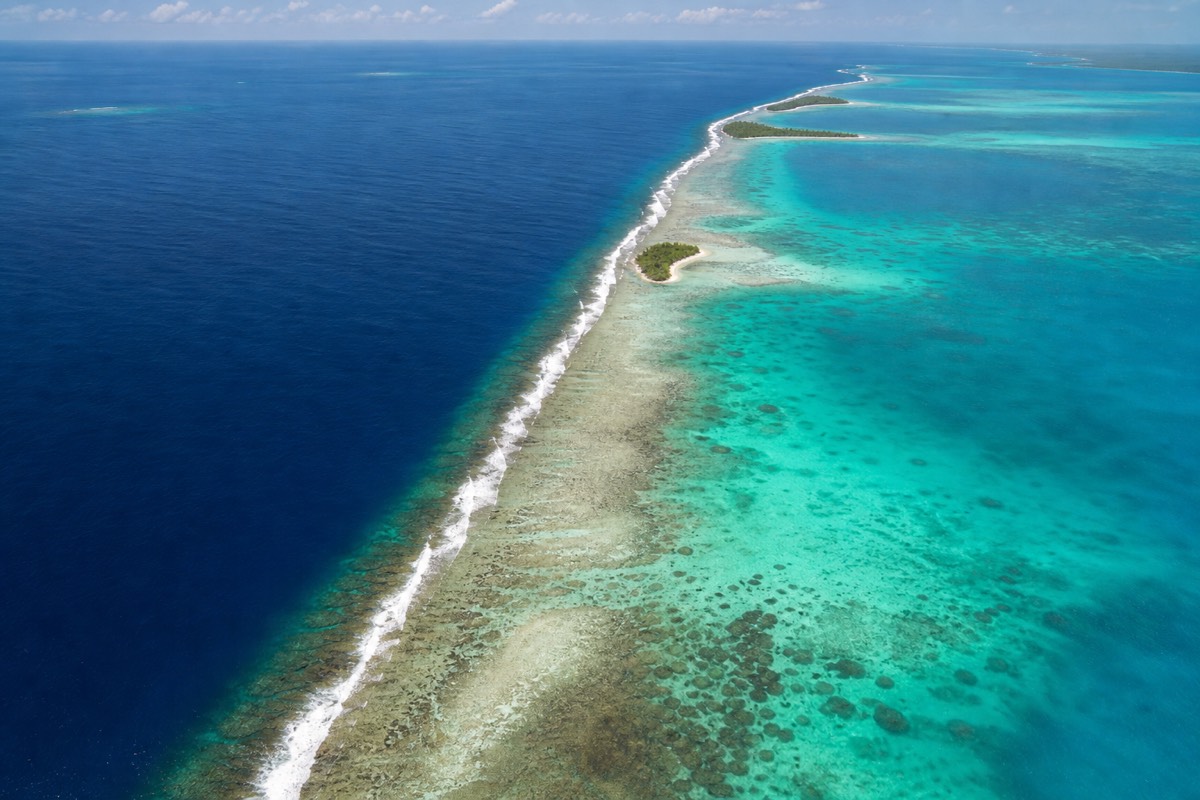
The water off the cayes changes color twice in the first ten minutes of a boat ride. Pale green over the seagrass, then a hard white band where the swell trips over something solid, then an improbable navy on the far side. That white line is the reef, and nearly everything worth putting a mask on for in this country sits within a few hundred yards of it.
People arrive in Belize knowing they want to snorkel and not much else. The names come at them in a jumble: Hol Chan, Turneffe, Lighthouse, Glover's, Silk Cayes, the Split. This guide sorts the reef into the pieces that matter for a snorkeler, explains which pieces you can realistically reach on a day trip, and says plainly which ones are not worth the boat ride unless you have a specific reason.
The Belize Barrier Reef at a glance
Figures drawn from the UNESCO World Heritage listing for the Belize Barrier Reef Reserve System and from the current published details of the reef day trips listed on this site. Prices and durations are a recent snapshot and move with the season, so check the live listing before you book.
What exactly is the Belize Barrier Reef?
The Belize Barrier Reef is the Belizean section of the Mesoamerican Reef, the second-largest reef system in the world. It runs the length of the country's Caribbean coastline, close enough to shore that most boat rides out to it take under an hour, and its seven finest sections are protected together as a World Heritage site.
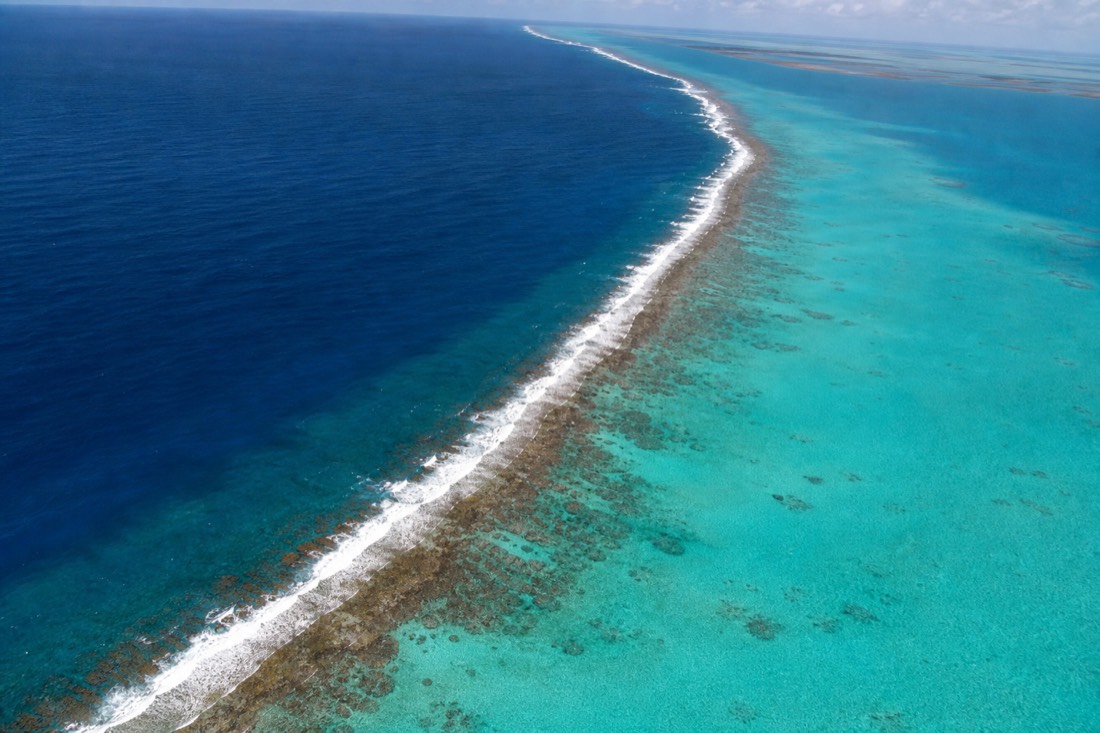
The listing matters more than it sounds. In 1996 seven separate protected areas were bundled into a single UNESCO World Heritage inscription called the Belize Barrier Reef Reserve System, and those seven areas are still the country's best snorkeling. Reading them as a list is the fastest way to understand the geography, because they run from the Mexican border in the north to the Guatemalan and Honduran approaches in the far south, and they cover three different kinds of reef: the barrier itself, the offshore atolls, and the small sandy cayes sitting inside the lagoon.
What snorkelers care about is the shallow shelf. Outside the reef crest the seabed drops away fast into water no snorkeler has any business in. Inside it, the lagoon holds coral heads, seagrass beds, patch reefs and cuts where the tide funnels through, and that is where the fish are thickest. Almost every stop on every trip listed here is either in a cut or on the inside face of the crest.
| Protected section | Where it sits | What snorkelers do there |
|---|---|---|
| Bacalar Chico National Park and Marine Reserve | Northern tip of Ambergris Caye, on the Mexican border | Remote reef and channel snorkeling, reached only on longer charters |
| Blue Hole Natural Monument | Lighthouse Reef Atoll | A dive site. Snorkelers stay on the surrounding atoll, not the sinkhole |
| Half Moon Caye Natural Monument | Lighthouse Reef Atoll | Shallow reef flats offshore plus a red-footed booby colony on land |
| South Water Caye Marine Reserve | Off Dangriga and Hopkins | Reef wall a short swim from the caye docks, plus island hopping |
| Glover's Reef Marine Reserve | The outermost southern atoll | Atoll-rim coral, usually on overnight or lodge-based trips |
| Laughing Bird Caye National Park | Off Placencia | A faro reef around a thin sand caye, on Placencia day trips |
| Sapodilla Cayes Marine Reserve | Far south, near the Guatemala and Honduras approaches | Rarely on any day-trip itinerary. Expedition territory |
Only two of those seven see heavy day-trip traffic, and a third gets it seasonally. That is not a failure of the others, it is a matter of distance. The reef is long, the boats are small, and fuel costs what it costs.
Where along the reef do people actually snorkel?
Four zones carry nearly all of it. The reef off Ambergris Caye and San Pedro, the same reef line further south off Caye Caulker, the offshore atolls of Turneffe and Lighthouse Reef, and the southern cayes reached from Hopkins and Placencia. The two northern islands alone account for the large majority of snorkel day trips sold in Belize.
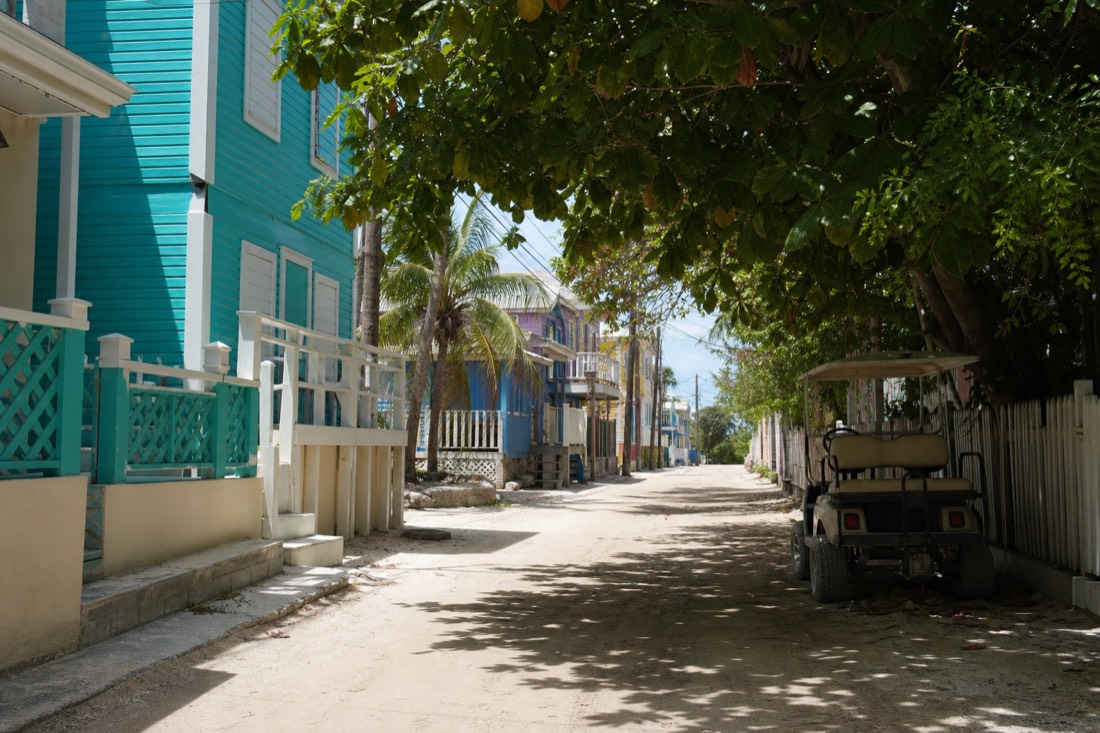
The reason is boring and geographic. Ambergris Caye and Caye Caulker sit right up against the reef, they have airstrips and ferries, and they have enough beds to hold the visitors. From either island the crest is roughly a mile out. A boat that leaves at eight in the morning is anchored on coral before most people have finished their coffee, which is what makes a four, five or seven stop itinerary possible in a single day.
The southern coast works differently. Hopkins and Placencia are mainland villages, the reef sits further out, and the trips are built around cayes rather than around a single famous cut. You spend more of the day moving and more of it ashore. Whether that is better depends entirely on what you want from the day, which is worth thinking about before you book anything: the southern coast reef and caye trips are a genuinely different product, not a lesser version of the northern ones.
| Base | Distance to the reef | Sites a standard day trip reaches | Typical day length |
|---|---|---|---|
| San Pedro, Ambergris Caye | About a mile offshore | Hol Chan, Shark Ray Alley, Coral Gardens, North Channel, Caye Caulker | 7 to 8 hours |
| Caye Caulker | About a mile offshore | Hol Chan, Shark Ray Alley, a shipwreck, seahorse and coral stops | 6 hours, roughly 9am to 3pm |
| Hopkins | 30 minutes by boat to the reserve | Bread and Butter Caye, South Water Caye, Bird Caye, Tobacco Caye | 7 hours, roughly 8am to 3pm |
| Placencia | Longer run offshore | Silk Cayes, Laughing Bird Caye, seasonal Gladden Spit trips | Full day |
| Belize City | No reef at the city itself | Requires a transfer to the cayes first, so day trips are tight | Full day, transfer-heavy |
Why is Hol Chan Marine Reserve the reef's busiest snorkel stop?
Hol Chan Marine Reserve protects a natural cut through the reef where tidal current concentrates fish into a narrow channel. It has been protected since the 1980s, it sits minutes from two of the busiest island bases, and the water is shallow enough that a first-time snorkeler sees the same thing an experienced one does.
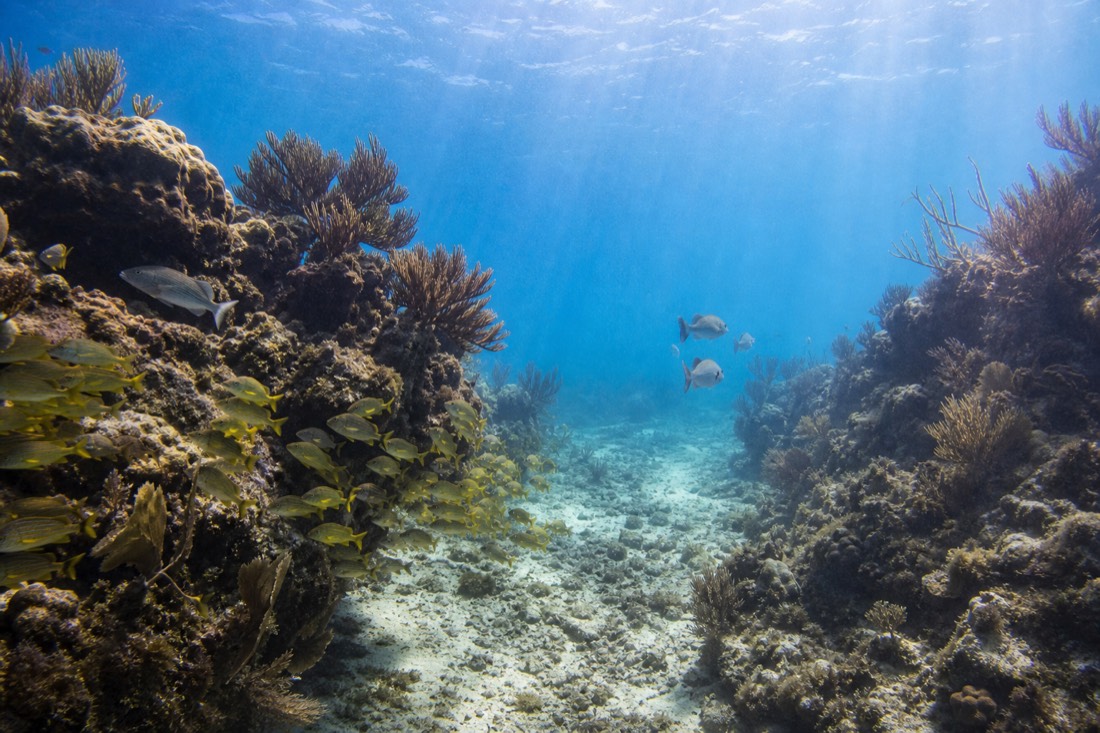
The name means "little channel" in Mayan, and the channel is the whole point. Water moves through it on every tide, and where water moves, fish stack up. Snapper, grouper, jacks, big parrotfish grinding at the coral, green turtles cropping seagrass on the edges. The reserve is run by the Belize Fisheries Department, which sets the entrance fee and the rules that guides enforce in the water: no touching, no standing on coral, no gloves, no taking anything.
Attached to it, a few minutes further south, is Shark Ray Alley, a sand flat where fishermen used to clean their catch and nurse sharks learned to show up. That association survives, and it is the single most reliable wildlife encounter in the country. The two sites are almost always sold together, which is why nearly every itinerary in Belize starts with the same two names. We break down the sites themselves, the current, and how the shark stop actually runs in the Hol Chan and Shark Ray Alley site guide.
| Trip | Departs from | Reef stops | Hours | Price |
|---|---|---|---|---|
| Seven-stop reef circuit | Caye Caulker | Hol Chan, Shark Ray Alley, a shipwreck, seahorse and coral stops | 6 | Around $110 per person |
| Four-stop day with lunch | San Pedro | Hol Chan, Shark Ray Alley, Coral Gardens, North Channel manatee search, Caye Caulker | 8 | Around $125 per person |
| Island hopping | Hopkins | Up to four cayes inside South Water Caye Marine Reserve | 7 | Around $280 per person |
| Private customizable reef day | San Pedro | Hol Chan, Shark Ray Alley, Conch Graveyard, the Split at Caye Caulker | 7 | Around $675 for the boat |
| Private full-day charter | Caye Caulker | Hol Chan, Shark Ray Alley, Coral Gardens, Chato, San Pedro lunch | 6 | Around $825 for the boat, up to 8 guests |
Prices move, so treat those as the shape of the market rather than a quote. The two private lines are boat prices, not per-person prices, which is what makes them sensible for a family of five and absurd for a couple.
What makes Turneffe Atoll different from the barrier reef itself?
Turneffe Atoll is a separate ring-shaped reef sitting offshore of the barrier, built around a mangrove-filled lagoon rather than a coastline. It is Belize's largest atoll, it is a marine reserve in its own right, and for snorkelers it means flats, mangrove edges and reef walls instead of the barrier's cuts and patch reefs.
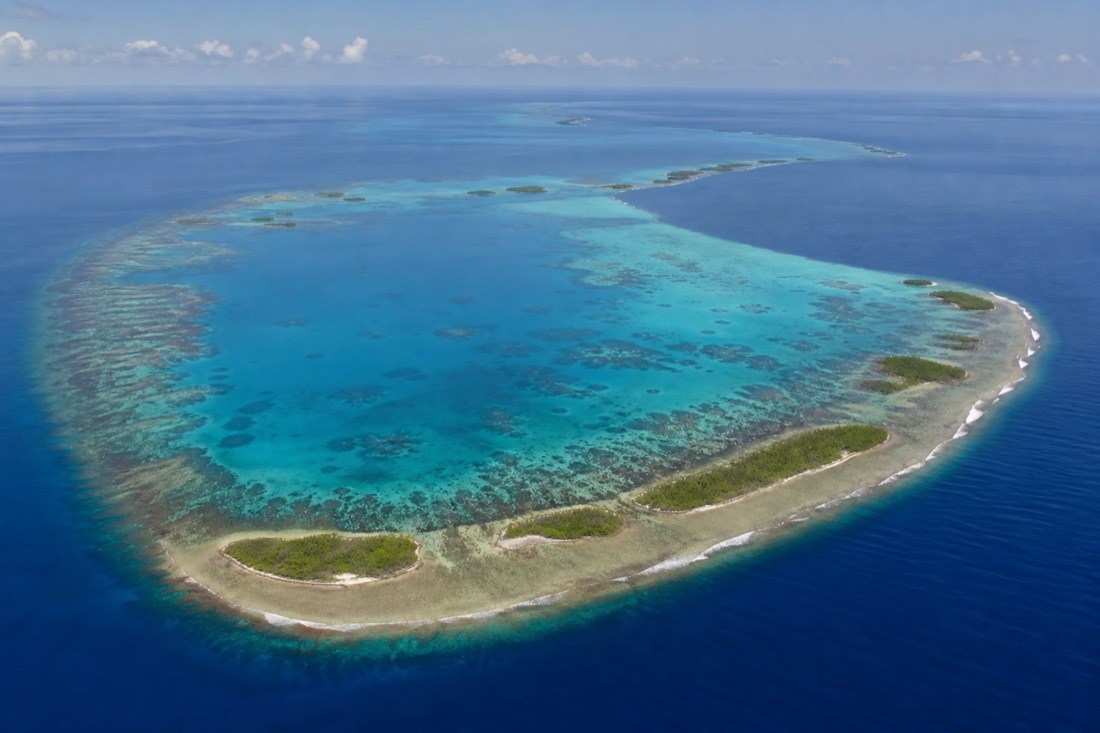
Belize has three of the four true atolls in the Caribbean, which is the fact most people miss. An atoll is not a section of the barrier reef, it is its own structure with its own rim, its own lagoon and its own deep water on all sides. Turneffe is the closest of the three to the mainland and the one whose interior is thick with mangrove, which makes it a nursery for the juvenile fish that later populate the reef.
The honest snorkeler's take on the atolls is that they reward a specific kind of trip. Day-tripping to any of them from the northern cayes means a long, often bumpy open-water crossing in each direction for the same amount of in-water time you would get twenty minutes from the dock. People who make the trip are usually doing it for the isolation and the birdlife rather than for coral quality that the barrier reef cannot match.
| Atoll | Protected areas inside it | Snorkel character | Realistic trip shape |
|---|---|---|---|
| Turneffe Atoll | Turneffe Atoll Marine Reserve, outside the UNESCO grouping | Mangrove-fringed flats, channels and reef edge | Long day charter from the northern cayes or Belize City |
| Lighthouse Reef | Blue Hole Natural Monument and Half Moon Caye Natural Monument | Shallow reef flats around the atoll rim, plus a seabird colony ashore | Full-day dive-boat trip or an overnight |
| Glover's Reef | Glover's Reef Marine Reserve, a UNESCO section | Atoll-rim coral in shallow water, very little boat traffic | Usually a lodge stay or overnight from the southern coast |
No dedicated Turneffe snorkeling product has been verified in this shortlist. A Blue Hole flight crosses the area but cannot substitute for snorkeling at Turneffe.
Is Lighthouse Reef worth the long boat ride for snorkelers?
Only if the day out matters more to you than the water time. Lighthouse Reef Atoll is where the Great Blue Hole sits, and the hole itself is a deep-diving site with nothing for a snorkeler to see from the surface. Snorkelers on those trips get Half Moon Caye and the shallow atoll flats instead, after several hours on a boat each way.
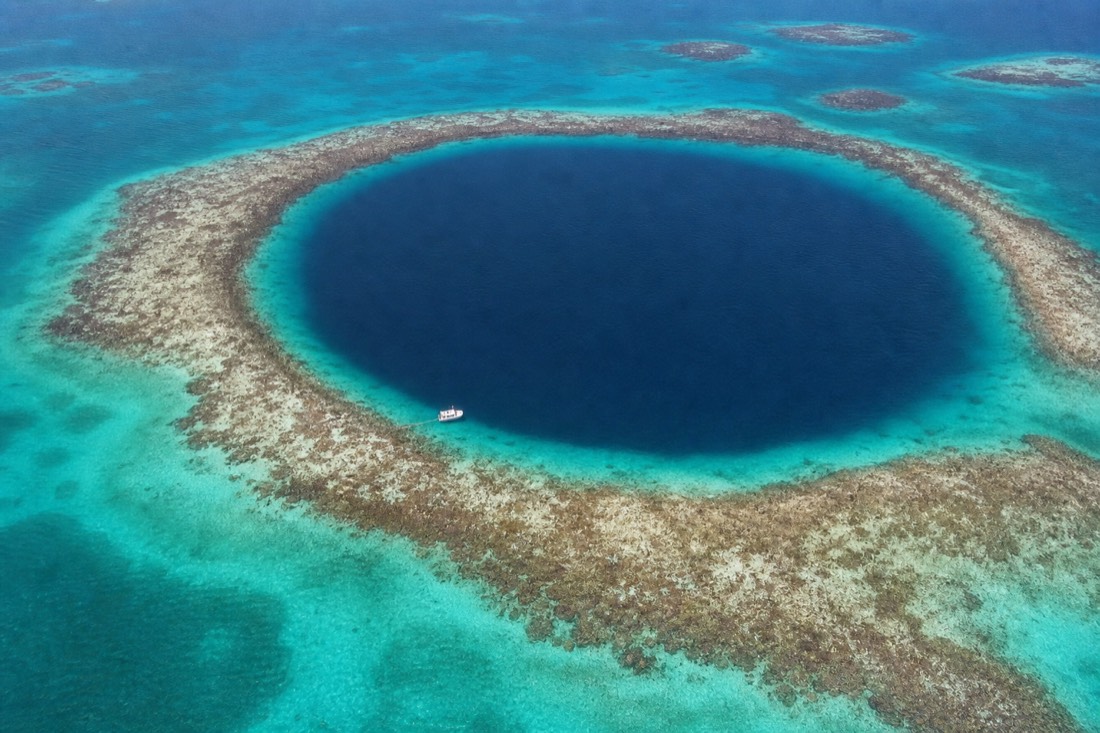
This is the point where honest advice matters more than an upsell. The sinkhole is around 300 meters across and roughly 124 meters deep, and from the surface it reads as a flat dark circle. Everything a visitor recognizes from the photographs is an aerial view. The reason those trips still sell out is Half Moon Caye Natural Monument, managed by the Belize Audubon Society and protected since 1928, making it the oldest protected wildlife site in the country. Its red-footed booby colony is genuinely worth the walk to the observation platform, and the reef flats off the caye are shallow, clear and lightly visited.
We have written the full honest version of that trip, including who should skip it, in the guide to what snorkelers actually get at Lighthouse Reef. The short version for planning purposes: if you have four days in Belize and one snorkel day, spend it on the barrier reef instead.
What does the southern coast offer that the northern cayes do not?
Space, cayes you can walk around, and reef that almost nobody else is on. Trips from Hopkins and Placencia trade the famous cuts for a string of small islands inside protected reserves, with beach time built into the day and a seasonal shot at whale sharks that the north cannot offer at all.
The Hopkins boats run half an hour out to South Water Caye Marine Reserve, one of the seven UNESCO sections, and work a circuit of tiny islands: Bread and Butter Caye, South Water Caye itself, Bird Caye with its nesting frigate birds and boobies, and Tobacco Caye, which is small enough to cross in three minutes and sits so close to the reef wall you can swim to it. Lunch is cooked on the sand. Dolphins turn up in the inner channels often enough that the operators mention them without promising them.
Further south, Placencia boats reach Laughing Bird Caye National Park and the Silk Cayes. Twenty-two miles offshore from Placencia is Gladden Spit, inside the Gladden Spit and Silk Cayes Marine Reserve, where snapper and grouper spawn in spring and whale sharks come in to feed on the eggs. The window runs roughly March to June, with the best odds in the few days around a full moon, and no operator anywhere can promise a sighting. If that is the trip you are chasing, read the realistic odds in our piece on whale shark season in Belize before you build a holiday around it.
| Southern site | Reached from | Protection | What the snorkeling is like |
|---|---|---|---|
| South Water Caye | Hopkins, Dangriga | Marine reserve and UNESCO section | Reef wall a short swim off the caye, sandy shallows inshore |
| Tobacco Caye | Hopkins, Dangriga | Inside the same reserve | Tiny island with reef right off the beach |
| Bread and Butter Caye | Hopkins | Inside the same reserve | Shallow, calm, good for nervous first-timers |
| Bird Caye | Hopkins | Inside the same reserve | Seabird colony, a stop for the birds more than the water |
| Laughing Bird Caye | Placencia | National park and UNESCO section | Faro reef ringing a thin sand island |
| Silk Cayes | Placencia | Gladden Spit and Silk Cayes Marine Reserve | Reef and drop-off, turtles, rays |
| Gladden Spit | Placencia, 22 miles out | Same reserve | Whale shark aggregation, March to June only, never guaranteed |
What will you actually see in the water?
Nurse sharks and southern stingrays at the shark stop, sea turtles over the seagrass, and dense schools of snapper, grouper, parrotfish and jacks in the reef cuts. Eagle rays, manatees and seahorses are all genuinely possible on a Belize snorkel day, but they are sightings rather than fixtures, and no honest guide promises them.
The gap between what a listing shows and what a given morning delivers comes down to two things: where the boat can safely anchor in the day's conditions, and what the animals happen to be doing. Nurse sharks at Shark Ray Alley are the closest thing to a certainty because the association with boats is decades old. Manatees are the opposite. One of the San Pedro itineraries builds a manatee search into the North Channel and states that if the first spot is empty, the guides run to a second location, which is a fair description of how manatee spotting really works.
Coral is the other half of the answer. Belize took real damage from bleaching events and from hurricanes, and some shallow gardens are visibly recovering rather than pristine. Others, particularly inside the well-policed reserves, are in genuinely good shape. Expect variation between stops on the same day.
| What you might see | Where it shows up | How reliable |
|---|---|---|
| Nurse sharks | Shark Ray Alley | The most dependable encounter in Belize, built into nearly every northern itinerary |
| Southern stingrays | Shark Ray Alley and sand flats | Very common, usually in the water at the same stop |
| Green and loggerhead turtles | Hol Chan, Coral Gardens, seagrass beds | Common, not promised |
| Spotted eagle rays | Reef channels and drop-off edges | Occasional, more often in deeper channel water |
| West Indian manatees | North Channel and seagrass flats near Caye Caulker | Searched for rather than guaranteed, boat-dependent |
| Tarpon | Feeding spots off Caye Caulker | Reliable where operators feed them |
| Seahorses | Sheltered leeward spots off Caye Caulker | Guide-dependent, small and easy to swim past |
| Whale sharks | Gladden Spit, southern Belize | Seasonal, moon-linked, never guaranteed |
What do marine reserve fees cover, and who pays them?
Every protected section of the reef charges an entrance fee that funds patrols, mooring buoys and enforcement. Hol Chan runs at around US$15 per person at the time of writing. Some tours fold all reserve fees into the ticket price and some list them as a separate payment on the day, so the inclusions line on the listing is the thing to read.
This is the single most common cost surprise in Belize, and it is entirely avoidable. The fee is not a tourist tax invented at the dock. Reserves in Belize are funded partly by visitor fees, which pay for the rangers who stop people standing on coral and the moorings that stop boats dropping anchor on it. Paying it is part of why the reserve still looks the way it does.
What varies is who hands over the money. On the shared boats it is normally already in your ticket. On some private charters the fee is explicitly excluded and collected in cash on the day, which matters because the reserve booths are not always set up for cards. Carry small US or Belize dollars on any charter whose listing does not say fees are included.
| Trip | Marine park fees | What to do about it |
|---|---|---|
| Caye Caulker seven-stop circuit | All marine park entrance fees included | Nothing to pay at the reserve |
| San Pedro four-stop day | Hol Chan and Shark Ray Alley fees included | Nothing to pay at the reserve |
| Caye Caulker private full day | All marine park and reserve fees included | Nothing to pay at the reserve |
| San Pedro private reef day | Hol Chan entrance fee listed as not included | Bring cash for roughly $15 per person |
| Hopkins island hopping | Reserve fees not itemized in the inclusions | Ask at booking and carry small notes |
How should you choose between reef trips?
Pick your base first, then the trip. From Caye Caulker a six-hour shared circuit at around $110 covers the famous sites cheaply. From San Pedro an eight-hour four-stop day at around $125 adds a manatee search and island time. From Hopkins the seven-hour island run at around $280 buys remoteness instead of famous names.
Almost every reef day sold in Belize is a variation on those three shapes, and the differences that actually change your experience are group size, how many stops get squeezed into the hours, and how much of the day is spent moving. A boat with seven stops in six hours is a good day out and a fast one. A private charter with the same sites and half the stops gives everyone longer in the water at each anchor point. Neither is better in the abstract.
If you are working from Caye Caulker and want maximum sites for the money, the seven-stop reef circuit from Caye Caulker is the efficient pick, with lunch cooked on board and park fees already covered. From Ambergris Caye, the four-stop snorkel day out of San Pedro runs longer and includes free time ashore on Caye Caulker in the middle of it. On the southern coast the island-hopping day out of Hopkins is the one that gets you onto sand nobody else is standing on. Every boat trip listed on Belize Snorkeling Tours works from one of those three bases, so the base decision does most of the work.
Two other things worth settling before you book. First, timing: water clarity, seaweed on the beaches and boat cancellations all swing hard by month, and the difference between a good week and a poor one is covered in our breakdown of which months bring the clearest water. Second, base: if you are still deciding between the two northern islands, the practical differences are laid out in the guides to reef trips from Ambergris Caye and to what Caye Caulker's reef days include. Read both, then book the boat, not the island.
One last piece of context that changes how people plan. Belize is a small country with a long reef and a short list of genuinely famous sites, so the same three or four names appear on every itinerary. That is not marketing laziness. It reflects where the current runs, where the fish gather and where the boats can safely put people in the water. A full ranking of the sites themselves, with the case for and against each, sits in our guide to the best snorkeling spots in Belize. If your time is fixed rather than flexible, such as a single day off a cruise ship, the base-first logic above still applies but the math changes; our port-day guide for cruise passengers works through a realistic schedule. And if the barrier reef here is one of several Caribbean options on your list, our honest Belize against Roatan comparison covers how the reef systems actually differ.