Is Belize Snorkeling Good for Beginners?
The reef sits about a mile offshore, the famous sites are waist to chest deep, and a guide is holding the group together the whole time. Belize is a forgiving place to put your face in the water for the first time, provided you book the right boat.
Booking details checked 11 September 2026. Older price examples below are planning estimates, not current quotes. Use the provider for your date and full group total; sightings and weather are never guaranteed.
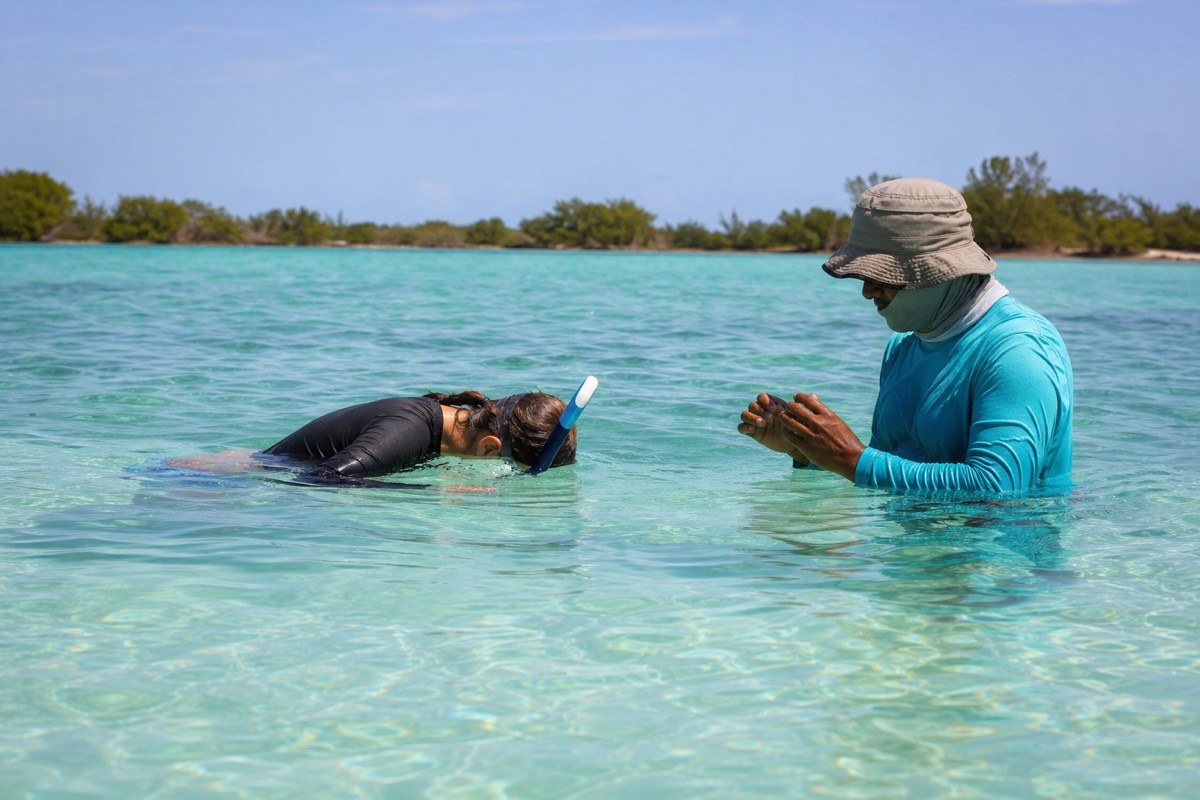
Yes, and Belize is one of the gentler places in the Caribbean to try it. The barrier reef sits roughly a mile off the main island bases, so the crossing is short. The marquee sites are shallow and sheltered. Almost everything is sold as a guided boat day with gear thrown in, which removes the two things that usually sink a first attempt: bad rental equipment and nobody watching.
A beginner who can swim and someone who cannot swim need different support. The current provider evidence does not establish non-swimmer acceptance for these recommendations. Confirm that explicitly before paying, rather than relying on a broad beginner-friendly description.
What makes Hol Chan and Shark Ray Alley good for first-timers?
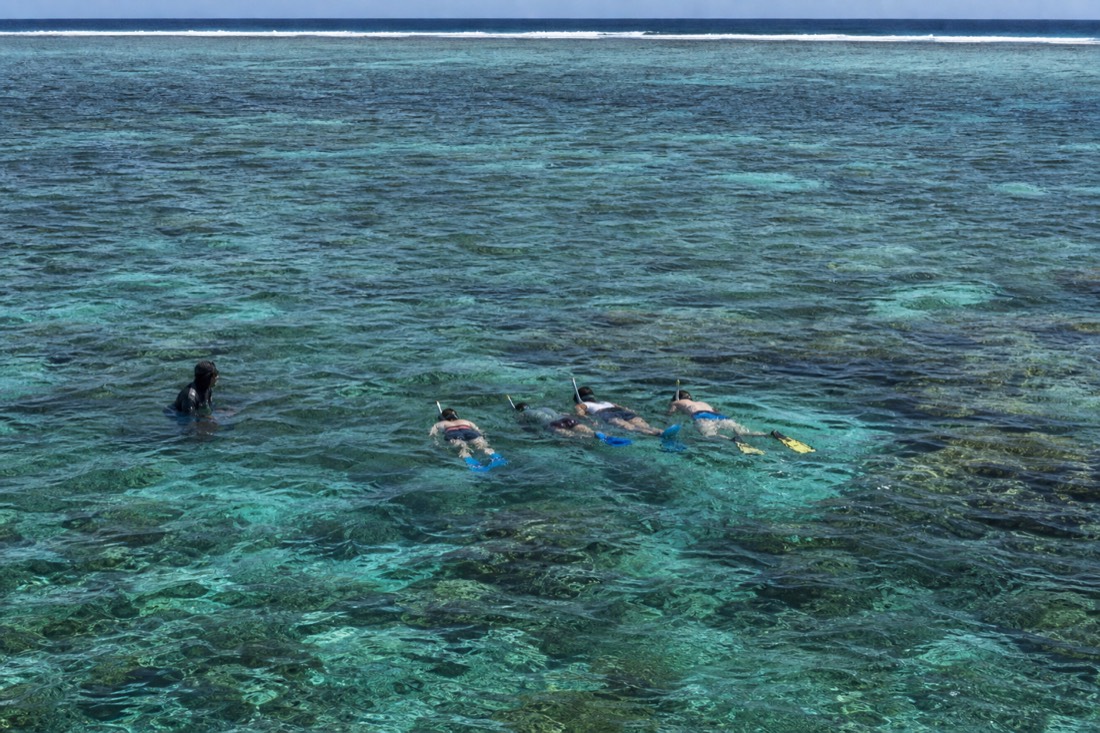
Both sit inside sheltered, managed water and are always visited with a guide. Shark Ray Alley is a shallow sandy area where nurse sharks and southern stingrays gather, so beginners get headline wildlife with no depth or current to fight. Hol Chan's cut runs deeper in places, but groups stay together over the coral shelves either side.
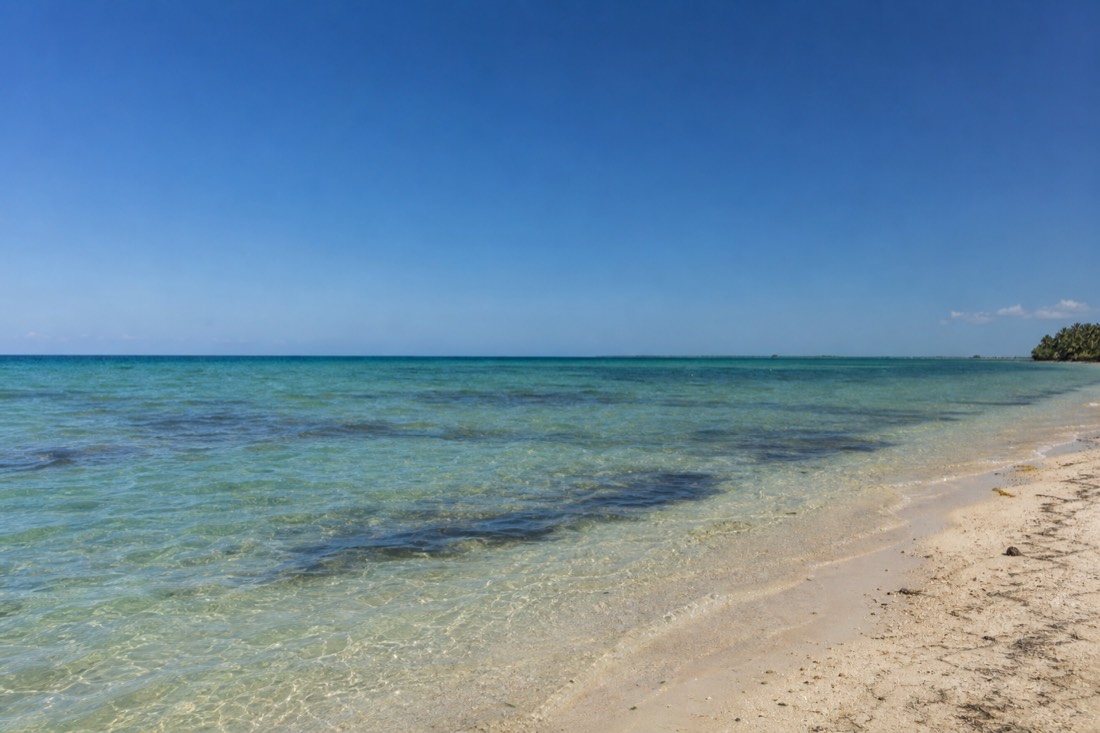
Protection is doing quiet work here. The reserve has been managed since the 1980s by the Belize Fisheries Department, which is why the fish are dense and unbothered by people in the water. Entry costs around $15 per person. Some listings bundle that into the price and others collect it at check-in, so read the inclusions and carry a little cash regardless.
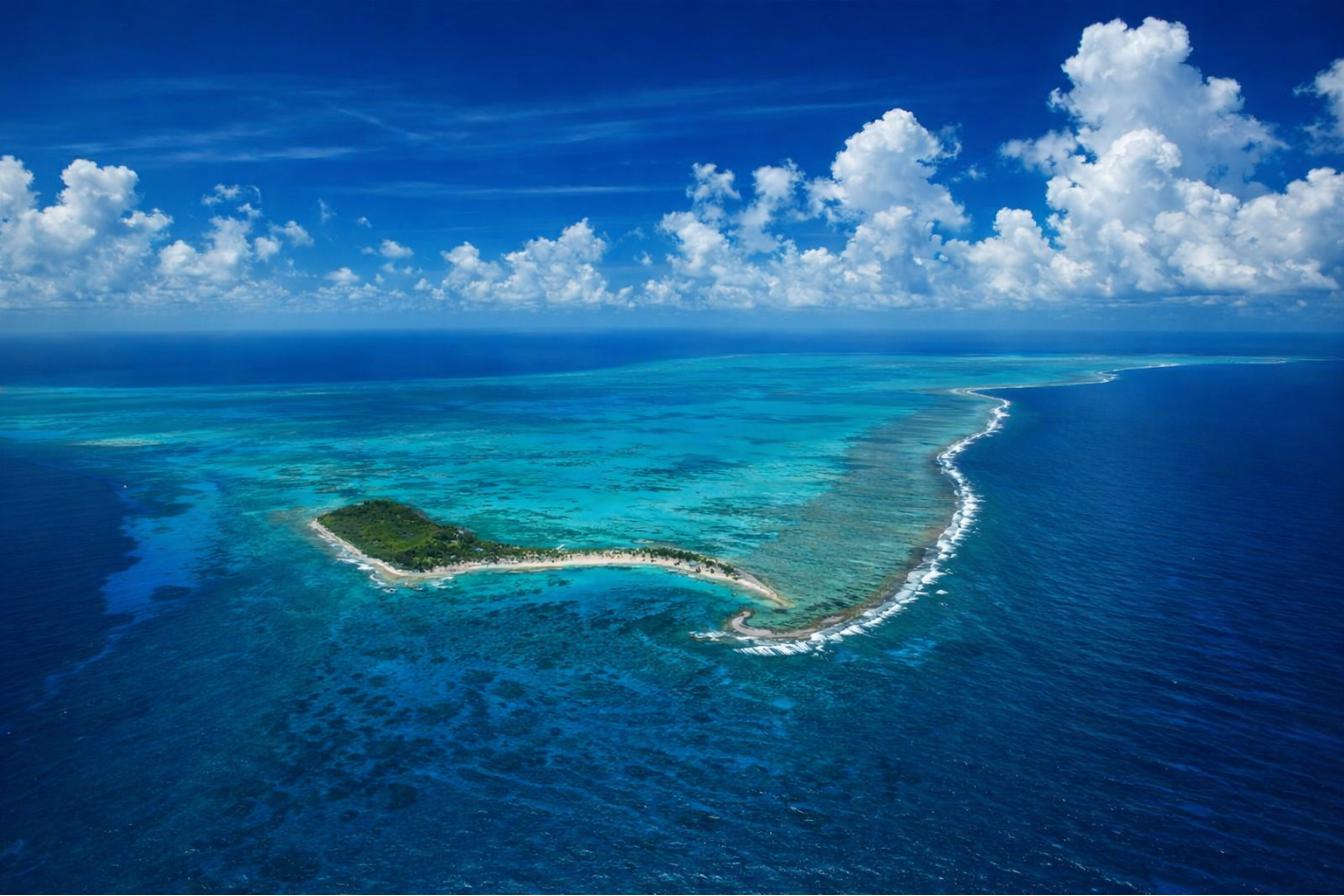
The wider setting helps too. This is the northern section of the UNESCO World Heritage reef system, the second largest on the planet, and its sheer scale is why a beginner site and a serious drift dive can sit twenty minutes apart. Background on how the whole structure fits together is in the guide to Hol Chan and Shark Ray Alley.
Which Belize snorkeling tours accept non-swimmers?
Non-swimmer acceptance is not verified for this shortlist. The existing summaries make broader claims than the provider evidence supports. Ask the operator to confirm participation, flotation, supervision and any boat-only option before booking.
| Tour | Leaves from | What its own listing says |
|---|---|---|
| San Pedro four-stop day, around $125 | San Pedro | Non-swimmer acceptance not verified; confirm before booking |
| Private Hol Chan and Shark Ray Alley, around $675 | San Pedro | Confirm any boat-only participation before booking |
| Caye Caulker seven-stop day, around $110 | Caye Caulker | Check the exact provider’s age bands and swimming requirements |
| Caye Caulker private full day, around $825 | Caye Caulker | Not suitable for non-swimmers |
| Island hopping, around $280 | Hopkins | Beach and shallow lagoon time between stops; not advised with back problems or during pregnancy |
Prices and eligibility vary by product. A shared itinerary does not automatically accept every swimming ability, and a private booking does not remove the route’s physical demands. Confirm the precise support your party needs before selecting either format.
If somebody in your group is genuinely anxious, the private Hol Chan and Shark Ray Alley trip is the softest landing on the list. It runs from San Pedro, the stops are customizable, and sitting one out on the boat is treated as normal rather than a problem. Snorkel gear comes with every reef trip listed on Belize Snorkeling Tours, so a beginner's only real purchase is reef-safe sunscreen and maybe a rash guard.
Non-swimmer acceptance is not verified for these products. Flotation equipment and a beginner-friendly description do not establish that a non-swimmer can participate; get explicit operator confirmation first.
What should an absolute beginner do before getting in the water?
Fit the mask on dry land, before the boat leaves. A leaking mask ruins an entire day and the test takes thirty seconds: hold it to your face without the strap, breathe in gently through your nose, and see whether it stays put on its own. If it drops, ask for another size. Nobody minds.
After that it is a short list. Keep hair and sunscreen out of the silicone seal, because both break the suction. Defog the lens with whatever the crew hands you. Practice breathing through the snorkel while standing in waist-deep water at the first stop, until it stops feeling strange, then float face down without going anywhere. Fins are for slow, lazy kicks from the hip, not fast bicycle pedaling, which just exhausts you and stirs up sand.
Ask for a flotation vest if you want one. On a guided reef day this is a completely normal request and it changes the experience for anxious swimmers, because you stop working to stay up and start looking down. Keep your hands to yourself around coral, stay off the bottom, and remember the sun is doing more damage than you think through eight hours of water reflection. A full kit list lives in the guide on what to pack for a first snorkel day.
Which trip suits which kind of beginner?
Nervous or non-swimming adults do best on the San Pedro four-stop day or the private Hol Chan trip, where staying aboard is accepted. Families with young children fit the two group days that take ages four and up. Anyone wanting beach breaks between swims should look south to the Hopkins island-hopping day.
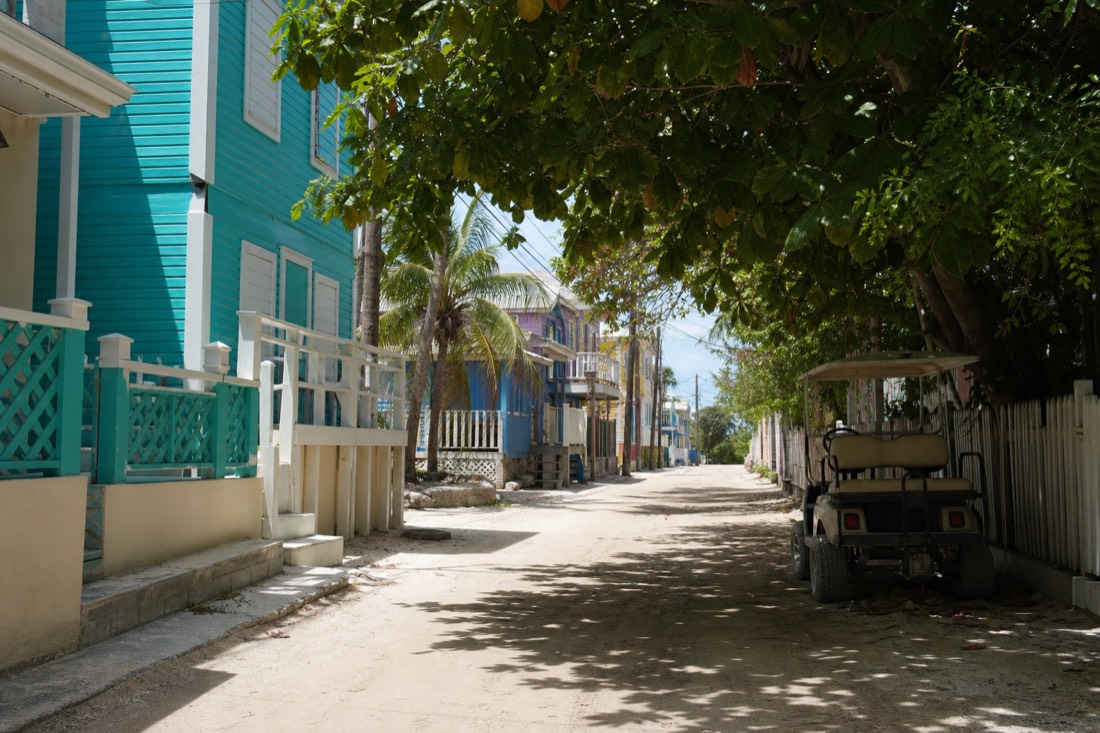
The four-stop snorkeling tour from San Pedro is the workhorse choice: eight hours, four stops, lunch and free time on Caye Caulker in the middle, and enough structure that a first-timer always knows what happens next. It has carried thousands of travelers, which in practice means the crew has seen every level of nervous there is.
For a slower day, the island-hopping day from Hopkins works the southern cayes with a BBQ lunch on the sand and shallow water you can stand up in. It is the least intense option on the list and the best fit for anyone who wants the reef without a full eight hours committed to being in it.
One thing worth setting expectations on: Belize is a boat-tour destination first. Wading in from a beach is possible in a few spots but the results are thin compared with a guided site, which is covered separately in the piece on shore snorkeling in Belize. If you have one day and one shot at this, spend it on a boat. Caye Caulker in particular rewards a slow first trip, and the options there are laid out in the guide to snorkeling around Caye Caulker.